Balaka


It’s done.

The flat in the building called Balaka (which means swan in Bengali) at 68 B Ballygunj Circular Road is no longer my home. After nine-and-a half years of caring for it from across the globe, I completed the final act of an arduous sales process in Kolkata.

I’ve posted a photo taken out front this week. With me are Kalu and Bimal, two men who have done menial jobs at the building for most of the years my parents lived there.

In that flat, simple and not so large by American standards, I laughed, loved and lost. It was home for so many years.

It was there that my mother regained her verve for life after a massive stroke nearly took her life in 1982. She gained freedom in her small way, learning to wheel herself around the rooms and hallways with ease, poking her head into the kitchen and instructing the housekeeper how to make perfect Bengali fish curry.

Some evenings, she arranged for musicians to come to the flat. We’d sit on rugs on the floor and sing the songs of Tagore. My mother’s voice was gone when she was left half paralyzed, but she belted it out anyway. I sometimes caught her eyes watering. She lamented little after the stroke but I knew she yearned to play again the harmonium and sing the songs she loved most.

In the morning, after she had her third round of Darjeeling tea, she picked up the phone and called our relatives and friends to learn news of their lives. My mother was the glue that held our family together. When she died, I stopped knowing details about my aunts and uncles, cousins and friends.

It was there in that flat that my father sat at the dining room table for hours pruning his bansai plants. He filled the verandahs with greenery. The dahlias bloomed with fierce, spreading hues of reds, pinks and oranges across the view.

Or he sat with his magnifying glass struggling to read newspapers when the macular degeneration in his eyes began to blur his world. He often worked out his mathematical and statistical theories in his head, his hands moving in the air as though there was a chalkboard before him. He had made a name for himself in probability theory. Later in life, when Alzheimer’s began winning the battle, my father could not add two plus two.

Everything changed today when I signed over the final documents to the man who purchased our flat earlier this year. I waited in the West Bengal registration office for a long time, sandwiched between a zillion people in a British-era building now filled with cobwebs and dust.

My friend Vijay (on the right in the registration office photo) made it all happen for us. Without him, my brother and I might have still be mired in West Bengal bureaucracy. I really don’t know how to ever thank him.

But for a moment, after I signed the final document, I felt as though I had wronged my parents somehow. As though I had given away the place where they had found solace. I asked the new owner if I could take the brass nameplate on the door that carried my father’s name. (photo)

Then I descended down the long British Raj era staircase, its terrazo warped by footsteps from many decades. I turned back only once. And left with my memories, brilliant like diamonds.

Coming home


The taxi refused to take the Eastern Bypass — too dangerous in the wee hours of the morning before the sun comes up and lights up the despair of Kolkata. Instead, we took the old route from the airport in the northeastern part of the city to the south.

I had not taken these old roads in a while. But as a little girl, when life was harder, but oh, so much simpler, we traveled to the airport this way and stood on the “viewing deck” to see planes take off and land. It was a rarity then. Flying seemed so exotic, so other-worldly. Now, all I do is complain about sitting in cramped seats as we pass over oceans and continents.

At 3 in the morning, the city is finally quiet.

The thousands and thousands of street stalls and stores (like the ones in this photo of a shopping area near my house) are shuttered. Those who can afford it are sleeping soundly in the comfort of air-conditioning. Most are under whirring ceiling fans that bandy the humidity about — or nothing at all.

The heat has fallen after months of the monsoon, but after the glorious autumn weather in Atlanta, I feel hot. Restless.

I had not expected to pass by the flat my parents called home for so many years. I have returned to Kolkata this time to finalize its sale.I thought I would not have to see it until later.

But instead, we pass by the front gate, the taxi driver unknowing of the burst of emotions within me. I try hard to hold back the tears. I feel them welling. I don’t know whether to look or not. But I cannot control my glance.

I peer at the gate through which the taxi might have driven had Ma and Baba still been here. Ma always stayed up for me, no matter how late. I’d walk in through the front door and see her in her wheelchair, her eyes heavy with sleep would light up instantly at the sight of her only daughter.

She’d have tea ready for me. Maybe a snack. My bed would be made up with fresh sheets, a clean towel hanging in the bathroom.

There is no one waiting for me now.

The taxi driver carries me away from that moment of intimate familiarity to another place. A friend’s flat, perfectly comfortable but with the sting of loneliness. Daylight breaks early here; by 5:30 the city is springing to life again. But for me, today, everything is dark.

Evita


She was a bastard child whose rags to riches story enthralled the entire world. At the tender age of 15, Eva Duarte moved to Buenos Aires to make a name in showbiz. She sang, she acted. She saved all she could to move into a flat in fashionable Recoleta. It was her way of telling the elite that she had arrived.

She had escaped the misery of life in the provinces for one of comfort.

But none of it would have been noted had she not met and fallen in love with Juan Peron and become the first lady of Argentina. The soul of the country. Standing up for the working man, even while she dressed in her furs and pearls.

Whether you believe in her purpose or whether history has deemed her disingenuous, Evita was iconic in life — and death. She succumbed to cervical cancer at the young age of 33.

After a massive funeral, her embalmed body was to be placed at a monument in her honor. But a military dictatorship ousted Peron. The names Juan and Evita became taboo; it was illegal even to possess a photo of them. Evita’s body was taken out of the country.

It took 16 years for it to be relocated. Many say her corpse had been mutilated.

Juan Peron returned to power in the early 1970s; his wife Isabel, who succeeded him as president, brought Evita home. She now rests in the Recoleta Cemetery in the Duarte family crypt. Every day, tourists visiting the cemetery flock straight to her grave, much like they do to see Jim Morrison at Pere Lachaise in Paris.

It’s an unassuming memorial to a woman who lived so grandly. A bigger tribute to her is at the Eva Peron museum, which has a collection of photos, film footage and her things, including her elegant gowns, suits and shoes.

Ironically, I returned from the museum to my flat in San Telmo only to see the movie “Evita” with Madonna and Antonio Banderas playing on television. Well, not so ironic, perhaps. Argentine TV probably shows that film quite often.

I had never seen the Andrew LLoyd Webber musical. I tuned in in time to hear Madonna sing: “Don’t Cry for Me, Argentina.”

The next day, I stood before the pink government house, where so many years ago Evita had stood in victory on the balcony. Where her husband had propped her up when she was too weak form cancer to even stand up. I imagined the roar of the crowds chanting her name. What a time it must have been.

San Telmo


It’s spring in Argentina and on the streets, jacaranda trees were about to burst into full purple splendor.
colonial buildings. We rented a flat for a week in San Telmo, the oldest barrio in Buenos Aires.

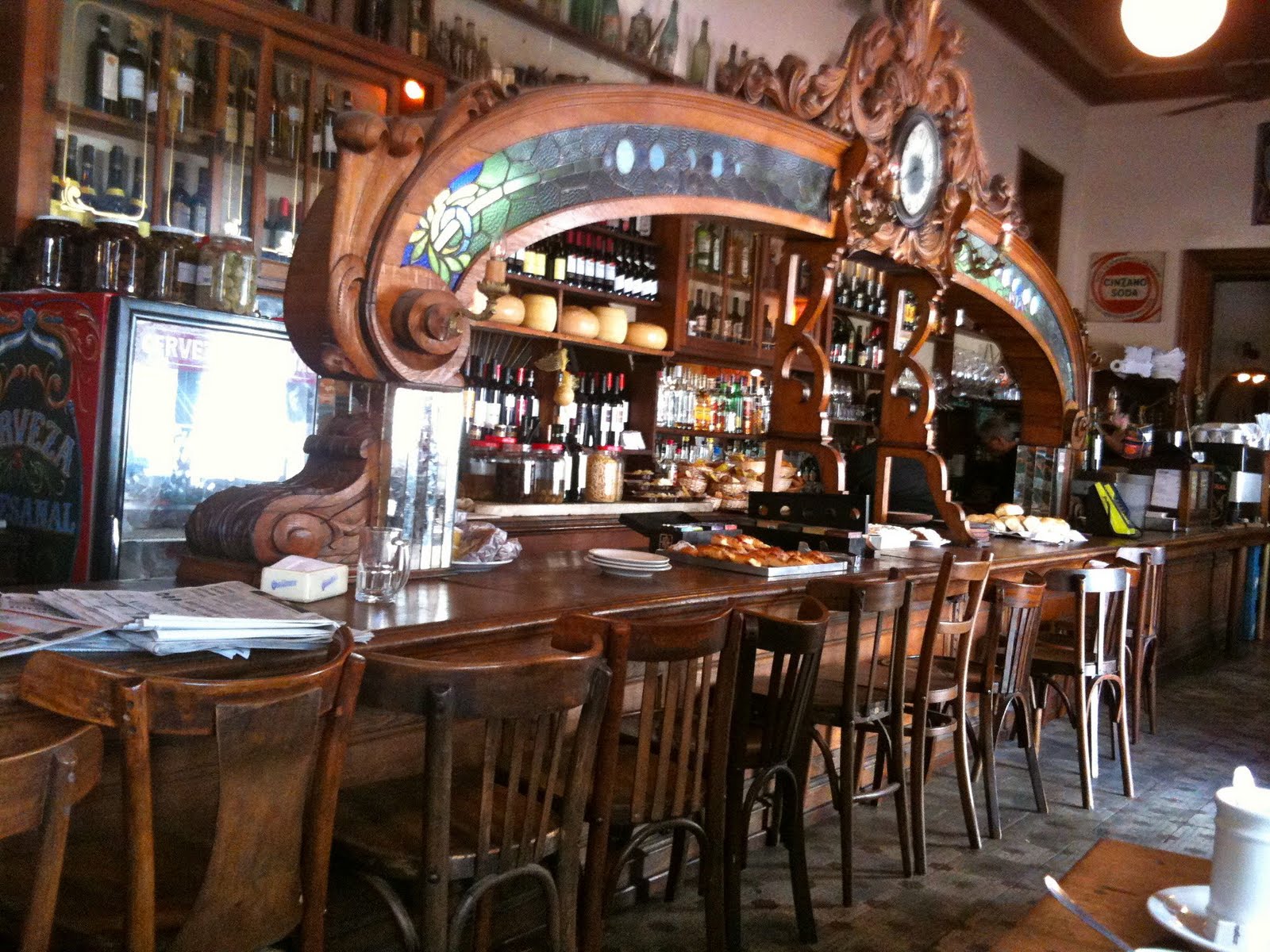
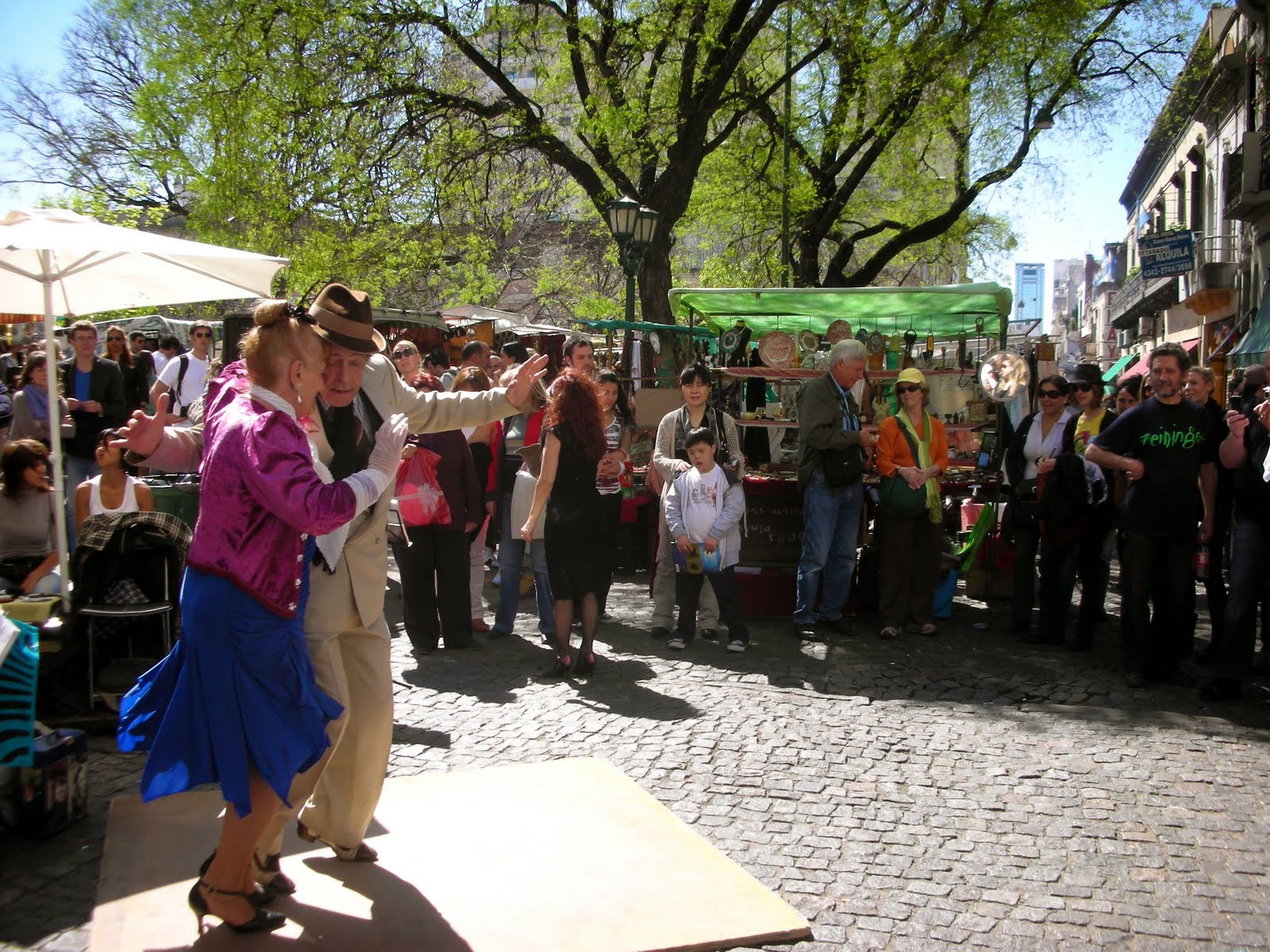
San Telmo is lined with cobblestone streets, old-time cafes, tango parlors and dozens of antique shops. On Sundays, the main street is closed to traffic as artists sell their wares or perform on the streets.

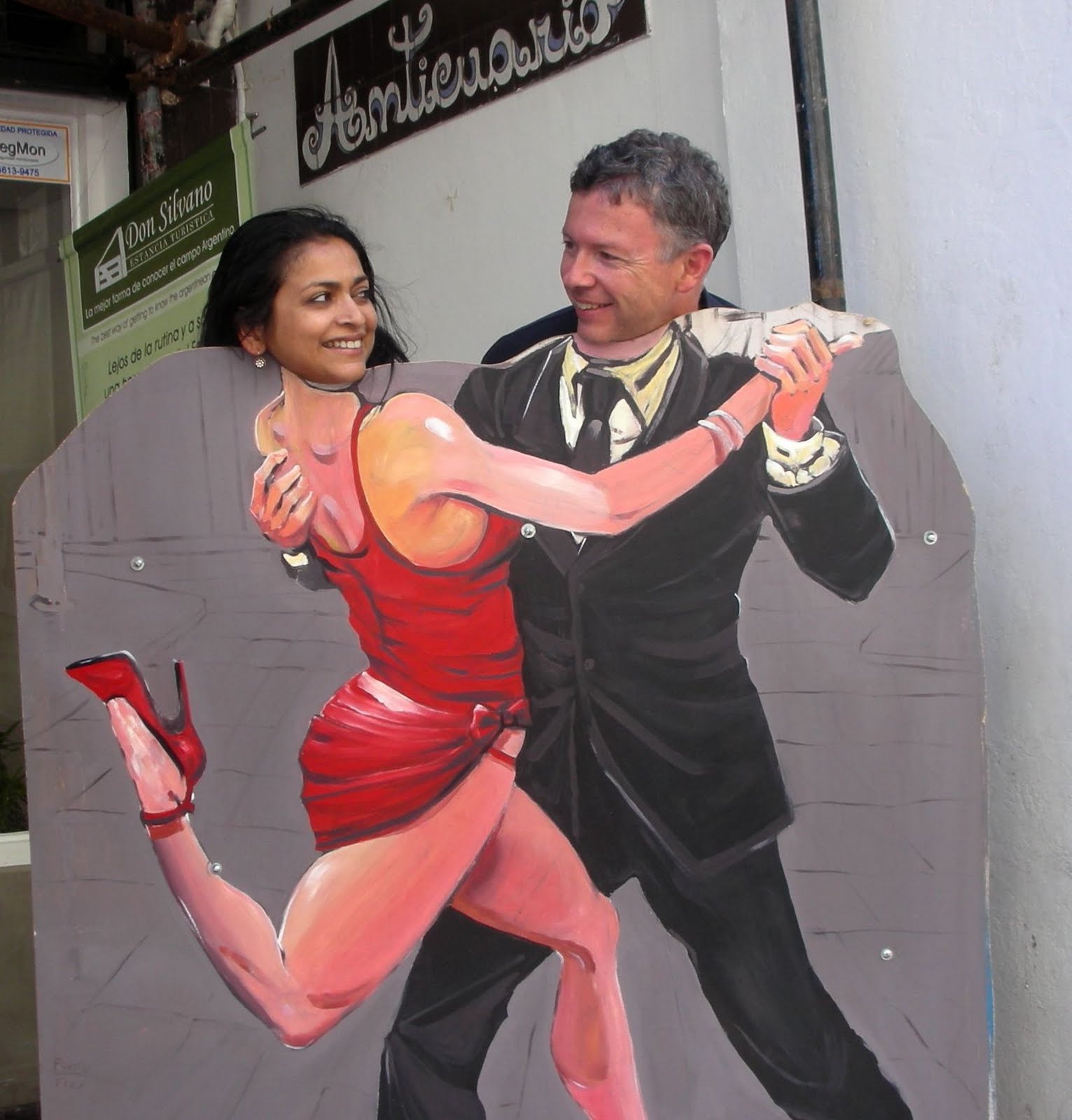
I’ve posted a few images of our barrio. You can see the street festival, of course.

And the bars and restaurants.

Of note here are two. La Brigada, featured on Andrew Zimmern’s “Bizarre Foods” show on the Travel Channel. We went there with Raymond Broussard, my sister-in-law Sheila’s ex-husband. Raymond is really into eating all sorts of meats and so we did. Braided intestines and cow testicles were among them. I hope my Hindu family in India does not see this post.

The second place I loved in San Telmo was Taverna Baska, A Basque restaurant recommended to me by Time magazine’s world editor, Bobby Ghosh. Bobby told me to try the octopus. It came perfectly cooked, so tender that it melted like butter in my mouth, and slathered in a delicious paprika sauce. Yum.

More coming on my fabulous trip to Argentina. I’ve posted more photos on Facebook.

Soweto


Hector Pieterson was only 12 when he was gunned down — a hail of bullets cutting short the life of a young black boy and triggering what came to be known as the Soweto Uprising against South Africa’s brutal system of apartheid.

On this gloriously beautiful spring day, I stood at a plaza named after him. A stark monument, a museum, a photograph. All around, life goes on in Soweto, still a world away from Johannesburg, just like it was when Hector was a school boy.

I was a little older than Hector when he was killed. I only learned about him when I entered college, protested apartheid, marched for divestment. Read about Nelson Mandela and Steve Biko.

On June 16, 1975, students were protesting the use of Afrikaans, the language of their oppressors, as the medium of instruction in schools. When police opened fire, Hector fell on the corner of Moema and Vilakazi streets. Sam Nzima captured a black and white photograph of Pieterson’s limp and bloodied body being carried by a fellow student.

I stood now in that very spot with Nathaniel Mudau, a driver who works for CNN in Johannesburg. He insisted we have a photo taken in front of the memorial. So we did. A teenage boy named Karabo snapped the photo and printed it out on a battery operated printer.

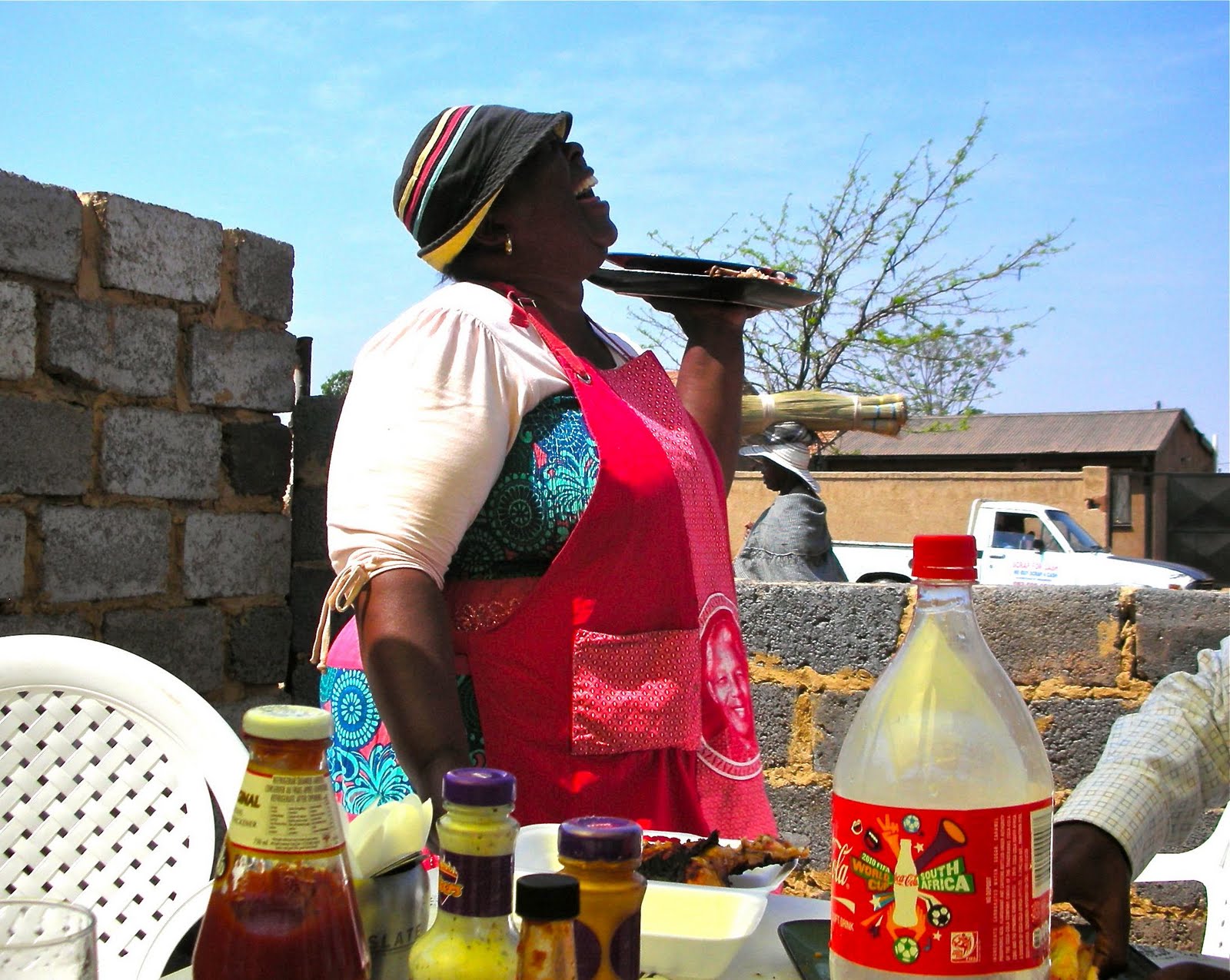
Nathaniel showed me around Soweto, where he grew up, where his family still lives. We stopped for lunch at Ethel Maria’s. She grills chicken and beef in her front yard and serves them with salads, rice and porridge mostly to local policemen, teachers and nurses.

Ethel Maria has lived in her two-room shack in Soweto since 1965. She still doesn’t have running water inside the house. Life is still a struggle for her, 16 years after a black-majority government finally took power in South Africa. At 51, Ethel Maria does not harbor hope in her heart anymore.

Maybe it will be different for her children but freedom has meant very little life changes for her. Freedom did not give her a bigger place, respite from work seven days a week

On top of a makeshift grill, she made the best chicken I tasted in South Africa. After the meal, everyone at the table shared a wet towel to wipe our hands and paid her $4 for the meal.

Then Nathaniel took me around Soweto. I’ve posted photos here of the murals painted at a power plant and the shanties that still dot the landscape.

In the days of apartheid, black people were forced to live here. Many awoke at the crack of dawn and spent a fortune on a rickety old bus that took them into Johannesburg for work. Now, downtown Johannesburg is apocalyptic. Abandoned by whites, the wealth has been sucked dry and the one-posh apartment buildings and skyscrapers have stood still in time.

Nathaniel made me put up the windows to the car in neighborhoods like Hillbrow — the crime there makes the most violent parts of Atlanta look like paradise.

Life is much calmer in Soweto. But hard still for most of the residents.

“This is the way my house was then,” said Ethel Maria. But back then, she did not have her Nelson Mandela apron, the one she proudly wears every day when she cooks in her front yard.

BIg Cats


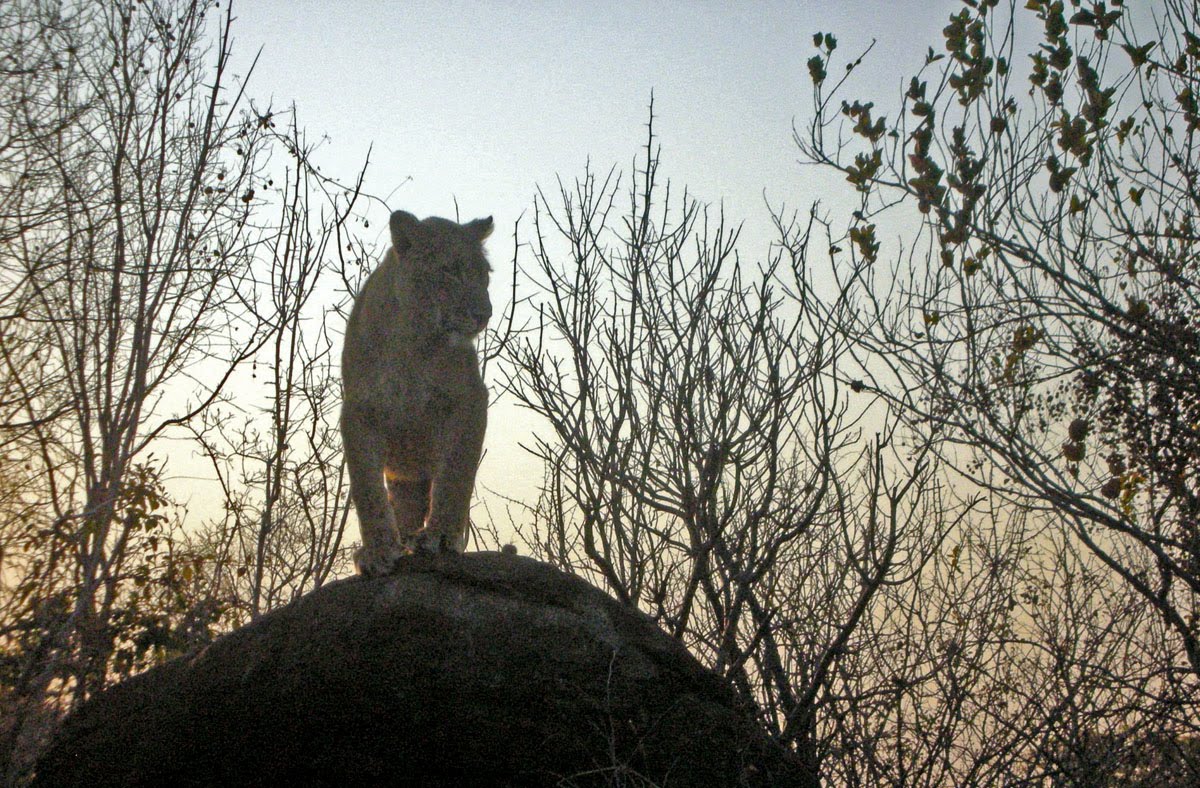
I touched a lion for the first time in my life at Lion Encounter in Zimbabwe. Paul Dube, who has worked here five years, took me around, warning me to always use a stick to distract the young lions, never to run if there is trouble. They will chase you down and kill you, he said.

The conservation park, on the edges of Lake Victoria, is an attempt to repopulate Africa’s wild with lions. Their numbers have been sadly dwindling. There used to be 250,000 lions roaming the wilds of Africa. Now there are fewer than 40,000. In some places, there are no lions left at all.

Dube and his staff of about 60 study the lions at their park — the big cats there are more used to human contact. But they are quickly weaned of dependence and they learn to survive as they would in the wild. Once they are able hunters — when they are about 18 months old — they are released into the bush.

I doubt I will ever get another chance to get so close to these magnificent yet ferocious creatures, save in captivity. Their skin felt like sandpaper — rough and rugged enough to take varnish off wood. I don’t know why I expected them to be soft and furry like the tabbies I once had.

When they yawned, you could see the teeth that can tear apart an antelope, even a zebra, though I was told the giraffe’s kick can kill a lion. A few days later, when we saw adult lions sleeping in the bush at Chobe National Park, a terrible fear set in my heart. And I wondered what I was thinking for having gotten so close to one.

Mosi-oa-Tunya


Mosi-oa-Tunya means: the smoke that thunders.

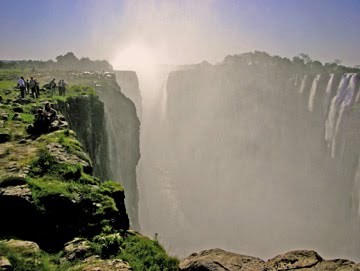
It’s an appropriate name for what the British named Victoria Falls, the largest curtain of water in the world, a mile-wide cataract in the Zambezi River between Zambia and Zimbabwe.

My father spoke of it when I was a little girl. He told me one day, I should feast upon this incredible site, one of the seven natural wonders of the world.

We traveled from the town of Livingstone, named after the famous British physician and missionary David Livingstone, by bus to Zimbabwe. We could hear the roar of the water, feel the spray long before I actually laid eyes on nature’s magnificence. There it was, in all its glory. Enormous amounts of water tumbling into a deep gorge, water and sun meeting everywhere to form rainbows.

In 1855, when Livingstone first encountered the fall of the Zambezi River, this is how he described it:

“After twenty minutes’ sail from Kalai we came in sight, for the first time, of the columns of vapor appropriately called ‘smoke,’ rising at a distance of five or six miles, exactly as when large tracts of grass are burned in Africa. Five columns now arose, and, bending in the direction of the wind, they seemed placed against a low ridge covered with trees; the tops of the columns at this distance appeared to mingle with the clouds. They were white below, and higher up became dark, so as to simulate smoke very closely.

The whole scene was extremely beautiful; the banks and islands dotted over the river are adorned with sylvan vegetation of great variety of color and form…no one can imagine the beauty of the view from any thing witnessed in England. It had never been seen before by European eyes; but scenes so lovely must have been gazed upon by angels in their flight.”

My photographs do not do Victoria Falls justice.

If you every have a chance to see for yourself, go! Victoria makes Niagara look like a backyard waterfalls.

Seeing through the colour lens


Driving through picturesque Cape Town and its environs in the Western Cape, I was truly awed. If you have ever driven down the Pacific Coast Highway, especially from San Francisco to Carmel, you will have good idea of how incredibly beautiful the scenery is here.

Rugged mountains heaving upward to the sky from humble beginnings where Atlantic waves crash violently on jagged shores. Pablo Neruda’s ocean green clashing with azure skies and the lime green of Fynbos, Afrikaans for Fine Bush, the native vegetation of succulents and shrubs.

Snaking highways take you through paradise at Chapman’s Peak, Hout Bay, Camp’s Bay — idyllic fishing towns where fish and chips shops serve up freshly caught Hake. And vineyards that offer tastings of the best Pinotage, Merlot and Chardonnay.

The houses dot the hillsides, graceful and full of splendour. You think: Yes, I could live here. Spend every day in this lush, luxe setting.

But you need a non-white person with you to tell you the real story of the Western Cape.

Even now, 16 years after South Africa established democracy and passed the strongest constitution in the world, perhaps, that bars any sort of discrimination, the vestiges of apartheid are not lost on a person of color.

Yes, you can go to South Africa and go on safaris and see its National Geographic beauty, but you cannot ever forget what was here. And if you look closely, behind the hills, far away from the tourist signs, you will still see apartheid.

At Hout Bay, you can see the flats built for coloreds when you get high up on the hill. There it is. In all its ugliness.

Or what about Ocean View?

“Look there,” said my guide Gillian Schroeder, a coloured woman who grew up in the Cape Flats (pictured with me at Chapman’s Peak). “How ironic. There’s no view.”

Just rows and rows of horrific housing built inland to house coloreds evicted from Simon’s Town, a place where tourists now venture to look at African penguins and shop for antiques.

And what about the blacks? You can’t even see their townships from the main roads and highways. They are tucked away like the poor in Rio de Janeiro’s favelas.

Only here, I cannot forget that they were forced from their homes and put in segregated communities when apartheid was enforced in 1948. The Group Areas Act mandated separate communities and non-whites were plucked from the homes and throw into horrid shanties without any surrounding trees, without electricity, without anything save gray dust and misery.

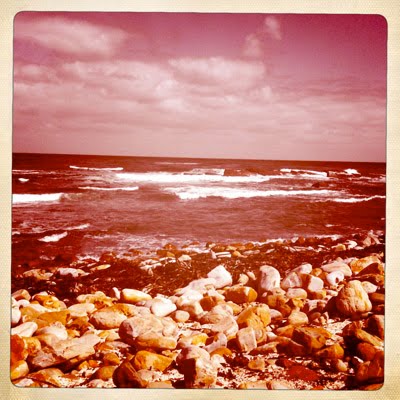
My drive to the Cape of Good Hope (pictured above) was marred by conversation with Gillian of the past and present. Even though everyone is equal now in South Africa, there still is apartheid. Blacks still live in the townships. They still do the manual labor. the most menial tasks. Coloreds live in the flats. The richest neighborhoods, the nicest places are still all white.

In the United States, laws were changed but racism has taken many years to subside. It still manifests itself now, more than 40 years after the assassination of Martin Luther King Jr.

In South Africa, it was different. There was brutal white rule and then a black majority democracy. But centuries of oppression don’t just go away, especially when the ruling class is still here. In my native India, the colonizers left. Here, they stayed.

How do you live side by side after all that hatred, all those tears, all that cruelty. A Truth and Reconciliation Commission can help, but it cannot erase the emotions swirling in millions of hearts.

I have to say that it is truly amazing to me how blacks, coloureds, Indians and whites live side by side now. Those who were oppressed have amazingly forgiven.

But as my friend, Stephen Moagi of Capetown said, it is hard to forget.

His name tag at work reads: Stephens. Like a last name. None of his white employers have bothered to correct it. Small, but telling, I thought.

Eunice, a black waitress at Bertha’s restaurant on the ocean in Simon’s Town (pictured, top, left), gives her name as Thabiso. That’s her name in Xhosa. That’s what she prefers. Except no one ever bothered to ask.

You don’t have to look hard to notice. Just take your eyes off the guide books and tours. And you will know the real South Africa.

In Cape Town, I cried


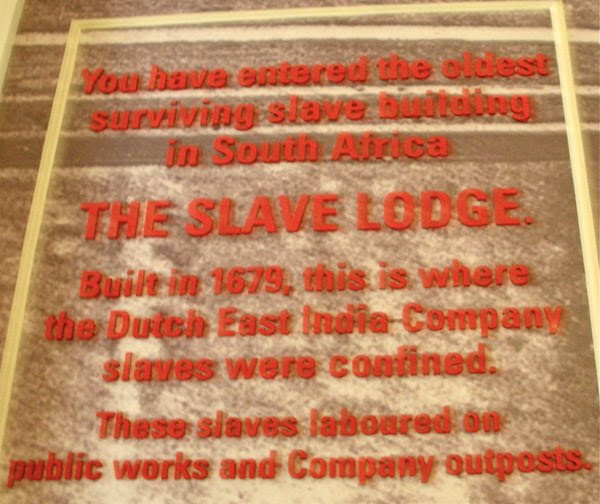
I will start my southern Africa journey here, at the Slave Lodge in Cape Town.

It is not where I physically began my 10-day trip to this part of the world. But it is where I choose to begin — in a place of beginnings and endings, of hate and love, of breathtaking natural landscapes and ugly scars of human cruelty.

For all the magnificence I have seen on this incredible trip — lions in the wild, one of the seven natural wonders of the world and the collision of two great oceans at the Cape of Good Hope — nowhere did I shed more tears than in this stark rectangular building that once housed thousands of human beings who were not recognized as such.

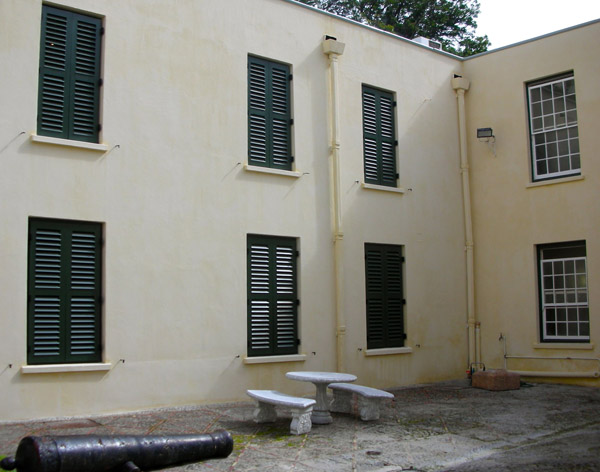
Today, the oldest slave lodge in South Africa looks beautiful in structure. (See picture.) But go back in time.

There were no windows then, just slits in the wall. People manacled and tied together in a manner worse than animals. They spent hot, suffocating nights here. During the day, they were marched out to toil.

The tourist guide books don’t tell you much about the wretched history of South Africa. My book dedicated most of its Slave Lodge blurb to the architectural splendor of the building, not to the unimaginable pain that was borne here.

It is now a museum dedicated to those whose names will be forgotten by history. They are no Vasco de Gamas or Simon Van der Stels (for whom the now famous Stellenbosch winelands are named). Just ordinary people plucked from their homes and taken to suffer and die.

I stood before a map that showed all the places from where the Dutch brought in their human captives. My eyes went straight to India. Malabar. Cochin. And yes, Kolkata. I stared at the Bengal dot on the map of South Asia. I felt a hot drop land on my clenched fists.

I thought of my mother telling me stories about British colonial rule in India and the picture at my grandfather’s house of a water fountain in Maniktola: “Europeans,” it said on one side. “Indians and dogs,” on the other.

I sat in the dark museum, staring at images of mothers torn from sons and daughters, separated forever. I heard the clack of wooden clogs slaves were forced to wear here so that their Dutch masters could hear them if they tried to move at night.

I imagined.

And for all the death and war I have seen, I could not ever feel the sorrow of this non-life that thousands of people, including my ancestors, lived through.

Or didn’t.

I have many friends in the United States who tell me personal stories of racism. Their ancestors were slaves. Their parents lived through segregation. I recalled my conversations with the poet Natasha Tretheway. Of racism, hate, ignorance.

I grew up with stories about Bapuji, father of the nation. That’s how Indians revere Mahatma Gandhi. I read about how Gandhi, as a young lawyer, fought for rights in South Africa. We all know what he did when he returned to India.

School was filled with history lessons on the East India Company, the Dutch, the Portuguese and the British. I grew to womanhood familiar with colonialism’s fury.

Yet, I had never felt its sting in India — I was fortunate to have been born 15 years after independence. I felt it more in the Deep South but never in ways that were physically or psychologically damaging to me.

So here I stood, in lovely Cape Town, surrounded by majestic landscape, and all I saw was heartbreak and blood. It was mapped out before me, on a museum wall.

It was the first thing I saw in Cape Town. And for the next few days, I would think of nothing else.

Next: A guide with a view.

Water, oil and Iraq

Five years ago, a tropical depression formed in the Atlantic and began moving towards Florida. Later, it would become one of the worst hurricanes to hit the United States.

Katrina.

On the day that the hurricane hit the Gulf Coast, my friend and colleague left Baghdad to return home. I watched her drive off into the hot, dusty Iraqi afternoon, went back inside to the tent that we had shared for a month. Her cot was empty. So was my heart.

It was tough enough being embedded with the U.S. Army. But to do it solo, in the middle of a raging war? I began to feel sorry for myself until I heard the news from Louisiana.

The next day, at the Camp Striker chow hall, I ran into Louisiana National Guard soldiers. The 256th Infantry Brigade Combat Team had been at war for a year, based at nearby Camp Liberty. They called their pad Tigerland.

They had lost about 40 men. Each day, they had smelled the acrid fumes of bombs and ammunition, seen the worst of humanity. They were exhausted and so ready to go home.

It should have been a happy few last days. Instead, it turned wretchedly bittersweet.

They could not take their eyes off the television screens. Image after image of New Orleans under a 30-foot wall of water.

One soldier recognized his block in the lower 9th ward; even thought he saw his house, just the rooftop visible in the footage.

“Look, look,” he said. “That’s where I live.”

The excitement quickly turned to dread on his face. He sat stone cold at the table, not being able to say anything for a few minutes.

Then: “Well, that’s where I used to live,” he said, running off to the AT&T phone trailer to see if he could check on his mama.

I am sure his effort was in vain.

New Orleans was dark. No lights, no phones. Nothing.

The soldiers quickly realized that a great many of them had no homes to return to. There would be no deliriously happy homecoming with firecrackers, parades and cake. Amid the joy of reunion with their wives and children, they would

Many of them wanted to get on a plane that instant so they could help their fellow Guardsmen with rescue efforts. In their last days in Iraq, a guilt gnawed at their hearts. Some felt lucky to be in Iraq.

Life seemed like a series of terrible ironies at that moment. So cruel and unfair.

I crawled back into my tent that night no longer wallowing in my loneliness. Just grateful to be have a home back in Atlanta. Grateful to be alive.

I read a story on Slate a few days ago about the same brigade, back in Iraq, back in the chow hall glued to the TV screens. Only this time, it was oil instead of water.