Magnificent and unexpected

Piazza San Marco.

I continue in this post my journey through Italy. Too quick, too hurried, but fascinating all the same.

(I dream of the day when I am not beholden to an employer any more and I can travel at will.)

The train ferried me from Verona back to Venice on a warm Sunday afternoon. I was curious to see, at last, the city of palaces built on a mosquito-infested swamp. What were they thinking?

Along the Grand Canal.
The train rolled into the Santa Lucia station and when I stepped out, I finally saw what Venice’s founders envisioned. What they built is truly magnificent, no other city in the world can compare. In fact, the entire city is listed as a UNESCO World Heritage site.

Next, I boarded a water taxi at Ferrovia and 14 stops later along the Grand Canal, I’d reached my destination: San Marco. My hotel was a step away and just around the corner from the main plaza in Venice.

I was meeting two of Kevin’s brother’s here. Yes, I know. A strange thing to go on vacation with your husband’s brothers. But their trip was planned and how easy was it just to tag along? Kevin did not have enough vacation time to make it work.
More about the family in my next post.
Chatting with John and Sue Maso at dinner.

The first night, my brother-in-law Peter and I found a cute trattoria not far from the hotel. We were tired and hungry and filled up on spaghetti with seafood.

Next to us was a couple from Perth, Australia. She’d asked us if our food was good before ordering.
“Delicious,” I said. “Where are you from?”
“Perth.”
“Oh, really?” I said. I lived there for a bit way back in the seventies.”
John and Sue Maso, it turns out, were on a multi-nation adventure. Their days in Italywere to be extra special. John’s parents were from Vittoria Veneto. But the family moved to Australiaafter World War II.
Johns’s father returned four times from Australia. On each of his first three visits, the pope died. It was an omen. The fourth time, he died. That was in 1991.
Veneto was on John’s bucket list. He had to go back to see it, meet family, he explained.
Bangladeshi Shipu Mollah served us our dinner.

I could see he was excited and nervous all at once. He savored his steak as did Sue her spaghetti and seafood.

We laughed and talked some more about Italy. They had enjoyed their day trip to the island of Murano, where glass blowing is an art honed to perfection.
Then it was time to pay the bill. Our waiter Shipu Mollah was young, handsome and I could tell from his speech, very Bengali.

He’d come to Venice from Bangladesh, looking for work.

What I did not know at that moment was that in the three days I was to spend in Venice, I would speak more Bengali than I have in six months in Atlanta.

All the men who sold gimmicks and toys and souvenirs to the tourists were Bangladeshi, as were many of the waiters and shopkeepers. Syad Shamim Ali told me he arrived only a year ago in March — from Libya.
Of course, I thought. I remembered when I had written about Bangladeshi laborers clamoring to get out once Moammar Gadhafi’s rule seemed uncertain.
They’d been transported to the borders at Tunisia and Egypt. Many spent days and nights in the open before they were able to board a ship to take them away.
Life was different in Venice, they told me. Of course it would be after war in Libya and the abject poverty of home. But they did not speak of cathedrals, palaces or aquamarine lagoons.
All they saw were the thousands and thousands of tourists. They were lifeblood.
The Bangladeshis missed their families, their homes — some had not returned in years. But it was possible to make a few dollars. There were a few possibilities here.
Their words would hang over me during my time in Venice.
In between the pricey gondola rides and bottles of Valpolicella, I thought of them, trying to just make it. Life in Venice was certainly no vacation. Not for them.
The basilica and tower at San Marco.


Killed in the name of honor


“All citizens are equal before law and are entitled to equal protection of law. There shall be no discrimination on the basis of sex alone.”


That’s what Pakistan’s constitution says. But the plight of women in Pakistan today is grim.  Last year almost a thousand women were murdered in honor killings, according to the Pakistan Human Rights Commission. The real number is feared to be much higher — many such killings are covered up by families.


Of the 943 cases documented by the commission’s staff, 93 were girls. 


Here’s why these women and girls were killed by husbands, brothers, fathers. They were accused of illicit relations or they voiced a desire to marry a man of their own choice.


Before being killed, at least 19 women were raped, 12 of them gang-raped.


They were shot, bludgeoned and even strangled to death. 

Only 20 of these women and girls were provided any medical aid before they died.


This is now. In Pakistan.


I don’t know the statistics for my native India or neighboring Afghanistan. But all three of these South Asian nations top the list for the worst countries in which to be a woman.


I was horrified to read the Pakistan report today. It probably won’t get much attention in the Western media. So I write this and ask you to think about how these women and girls lost their lives all in the name of saving a family’s honor.


Could there be anything more dishonorable?

Kaka

Kaka, standing on the balcony of the house
in New Alipur in the 1950s.

When I was a little girl, we lived in a house my grandfatherbuilt. It was common then for sons to remain in the house with their parentseven after they were married and had children. It was an extended family systemthat is dying out fast now in urban India.
I grew up rich with memories of relatives, close anddistant. I was privy to my father’s family history, told in most vivid detailby my uncle, Samir Kumar Basu. I always knew him as Kaka, the Bengali moniker for a father’s younger brother.
Kaka was only a year and half younger than Baba. The twowere extremely close growing up in Dhaka, Bangladesh, united perhaps in theireye problems that took root at a very early age. Both had macular degeneration.Both wore glasses so thick that I substituted them for magnifiers to look atflower parts for biology class.
Kaka lived on the third floor of my grandfather’s house inNew Alipur, then a fairly new development in Kolkata. He was a brilliant manand soon rose to the top of the companies where he worked. Eventually, hebecame director of Chloride India.
We ate breakfast together every morning. I sat with my roti,potatoes and cauliflower. He, with his half-boiled egg on a porcelain Englishstand and two pieces of white toast with butter.
Playing chess with my father in Florida, late 1970s

Afterwards, I climbed into the back of his Ambassador for alift to Gokhale Memorial, the school I attended  in those days. On the way, we would talk about everything.It must have been irritating for him to have a five-year-old chatterbox gononstop before a hard days work was about to begin. 
“Boddo kotha bolish,” he would say sometimes. You talk toomuch.
In the evenings, after homework, after an evening bath, Iwaited anxiously for my Baba and Kaka to return home. Both had a habit ofpacing from verandah to verandah. Kaka would whistle popular Rabindrasangeet. Itried to imitate him. How was he able to get tunes out with such precision?
We sat down to dinner together and Kaka always made sure togrill me on what I had learned that day. He’d quiz me with a geographyquestion. And when I wandered off point, he’d tell me I was talking too muchagain.
Kaka and me at a family wedding, 2009

In later years, Kaka moved out into a posh company flat. Iwanted to go spend days there not just because of the air-conditioning but tomonopolize Kaka’s time.

He never married or had children. Over the years, he grewaccustomed to life alone, though he was always generous to open up his home forothers. After my parents died in 2001, I often stayed in one of Kaka’s guestrooms.
Evening conversations were never dull with Kaka. We arguedsometimes but he always treated me with respect; asked me about things inAmerica that he did not know well. He was one of the few members of my familywho took a keen interest in my journalism. Even introduced me to his friends totalk about the Iraq war.
Kaka at Calcutta Club.

He especially liked to gab with his peers at Calcutta Club,a social club that was started in 1907 when Indians were not allowed into thewhites-only Bengal Club. Later in life, when Kaka became frail and his eyesfailed him completely, he held onto his trek to the club as salvation from loneliness.He left exactly at a certain time and was rarely late coming home. He nappedfor three hours, limited his cocktail hour before dinner and ate with extremediscipline. I admired that about him. How he kept to routine. How he neverindulged.
The last time I saw Kaka was in early December. I had stayedwith him for almost two weeks during a visit home. He liked to listen toBengali songs on my iPod. The noise-cancelling headphones, he said, made itfeel as though he were in a concert hall. He marveled at the technology thathis poor eyesight prevented him from enjoying.
Some nights, we watched Bengali soap operas on television.He listened intently to the dialog and when the screen was silent, I describedfor him what was unfolding.  Ithought it was grossly unfair that a man who lived by himself should not havethe benefit of sight – without being able to read or enjoy television.
But Kaka never felt sorry for himself or allowed pity. Iwill always think of him as the most fiercely independent person in my family.
Several years ago, the night of my departure from Kolkata,Kaka sat me down at his dining table. 
“Wait,” he said, shuffling off to his bedroom, counting hissteps as he always did and feeling his way to his closet.
He returned a few minutes later with an old jewelry box. Ithad once been a rich blue velvet. Now it was worn, the cardboard peekingthrough.
“Toke ar ki debo?” he said. What else can I give you?
I took that to mean that he thought I had all that I needed.True. Or that I wasn’t one for ornate ornaments that most Bengali women ogle.Also true.
He began telling me a tale of a trip he made to Hyderabad,years before my birth. The southern Indian city is famous for two things:Biryani, the Mughlai rice dish, and fresh water pearls, he said.
My cousin Sudip took all of us out to eat in 2005.
Kaka loved food and enjoyed it throughly.

“I bought this in Hyderabad. It’s not biryani,” he laughed.

A string of iridescent pearls glowed under the light of hischandelier.
“Kaka,” I said. “You don’t have to give me these.”
I wondered why he had bought them. Had they been meant for someone?Or had he just picked them up because it was the thing to do in Hyderabad?
“It’s a very small thing,” he said. “Wear them and think ofme.”
Last November, he’d called me in Atlanta to ask that I bringhim good Belgian chocolates. He loved the taste of cocoa on his tongue justbefore he went to sleep every night.
Kaka at a wedding in 2009. 

My aunt, Pishi, told me that Monday night, Kaka had askedfor chocolate. She took that to mean that he was recovering from a recent boutof illness. But Wednesday, he was gone.

He died in his sleep, peacefully.
In 2010, when I visited Kaka, I had recorded some of ourconversations. Kaka loved to tell me stories about my father’s childhood. I hadplanned to finish those conversations. Ask him questions about a time with few records, save a few old black and white photographs. Kaka was awonderful storyteller and now an important part of my family’s oral history hasbeen silenced.
He was the eldest living of my father’s siblings. Manythought him as the family anchor. I simply thought of him as Kaka, the man whobecame my father after my own died, the man who stood by me always.
I will miss you terribly.

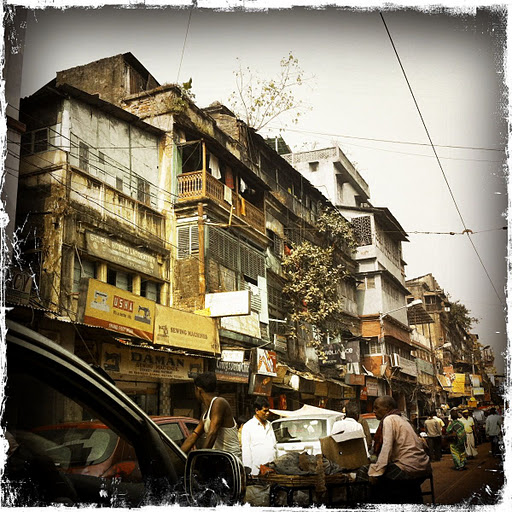
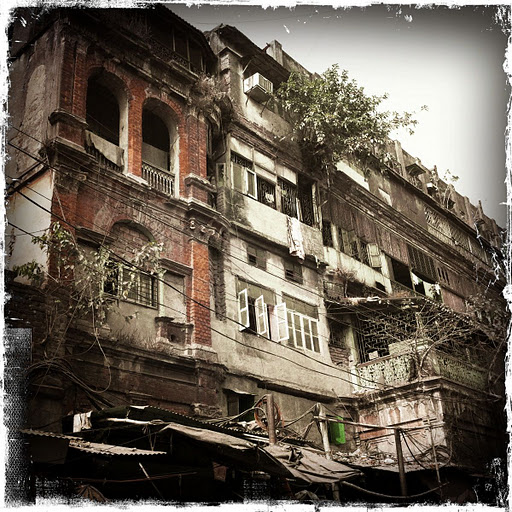
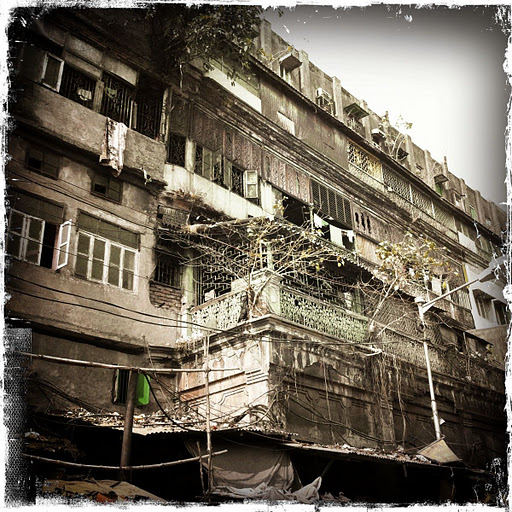
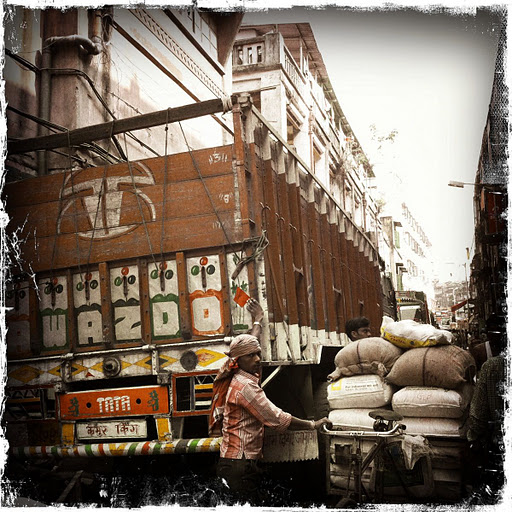
Kolkata Hipstamatic

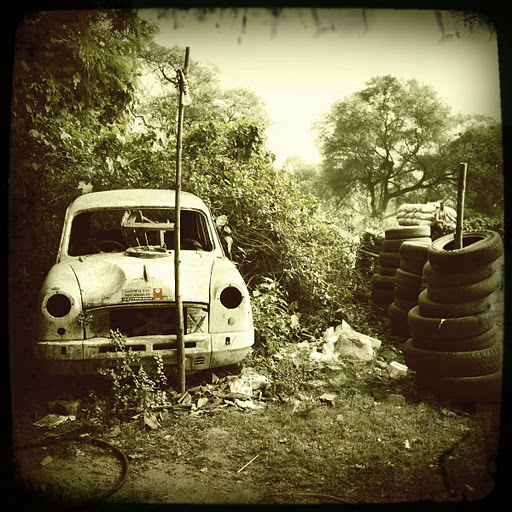
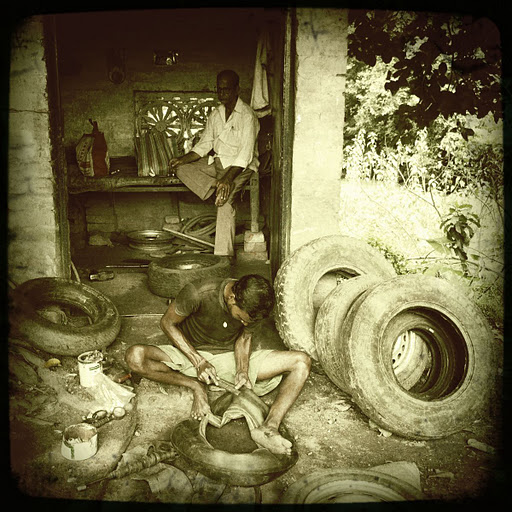
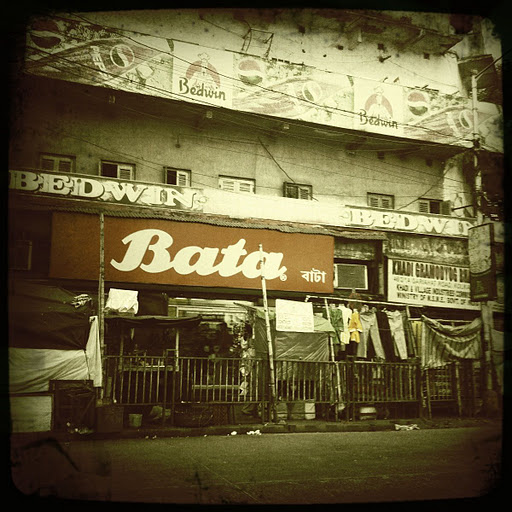
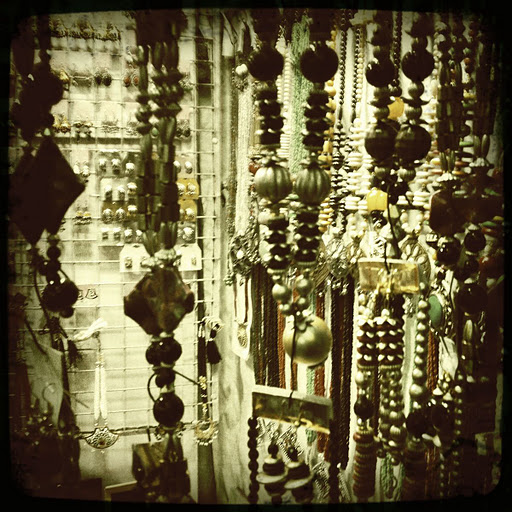
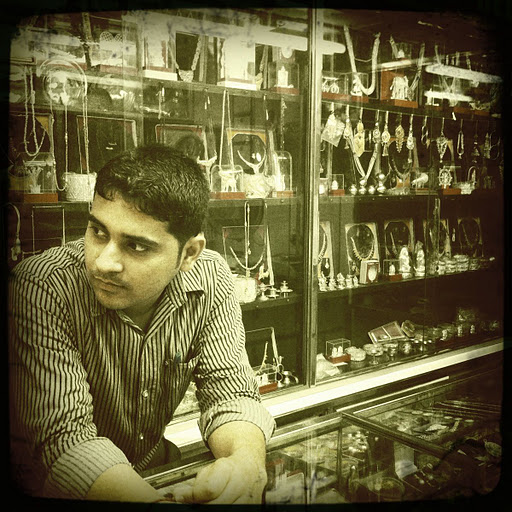
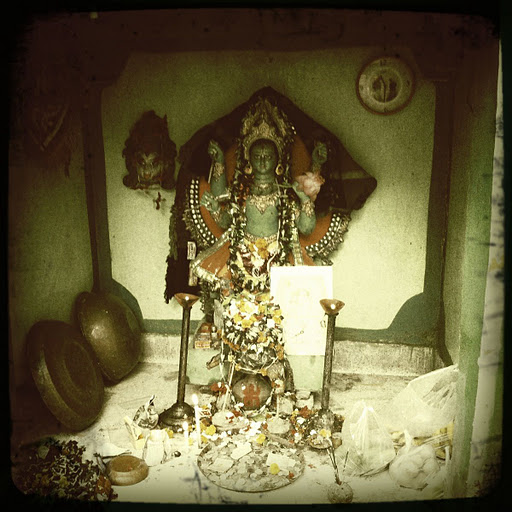
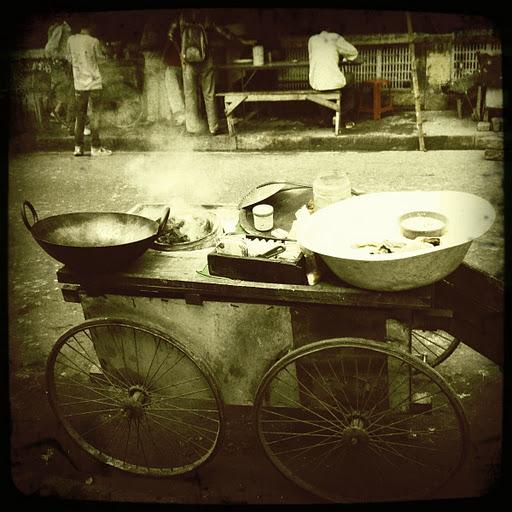
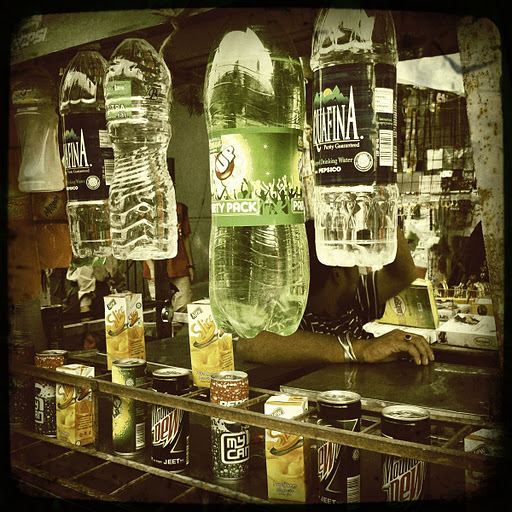
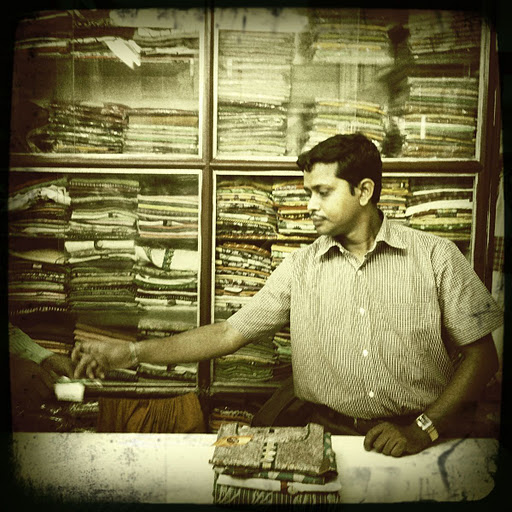
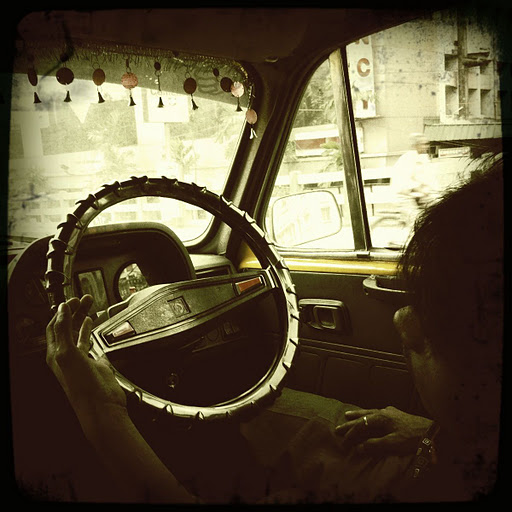
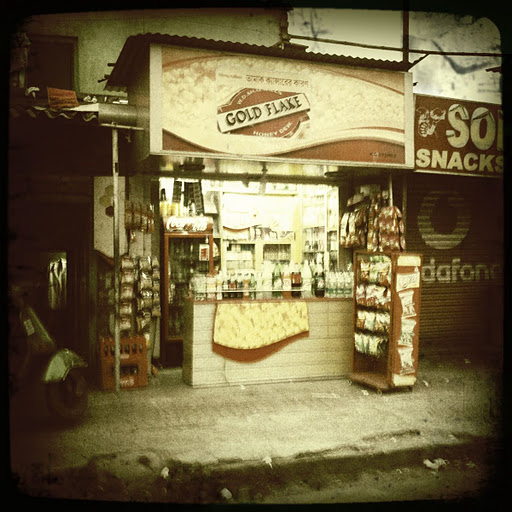
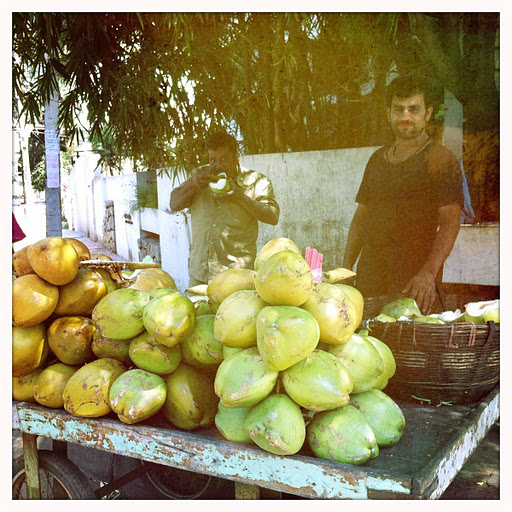
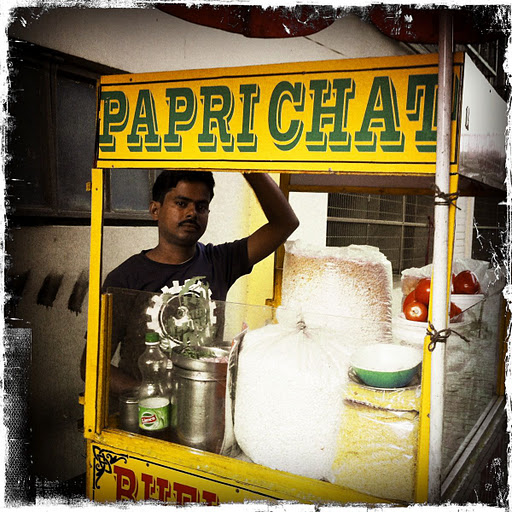
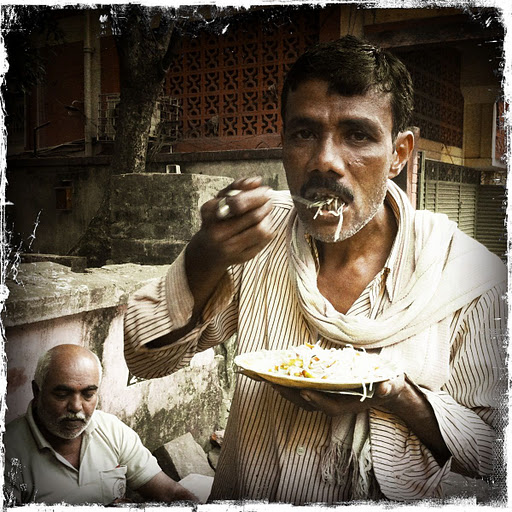
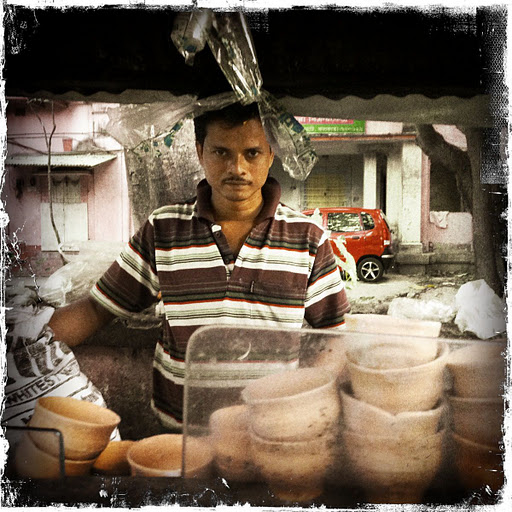
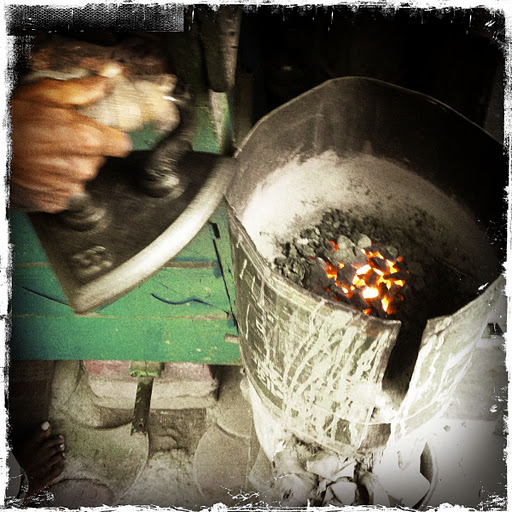
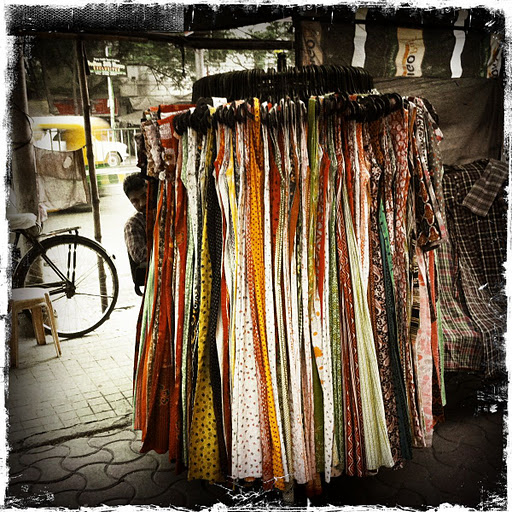
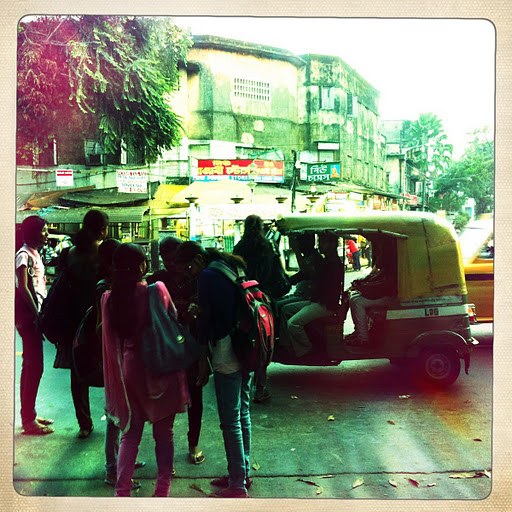
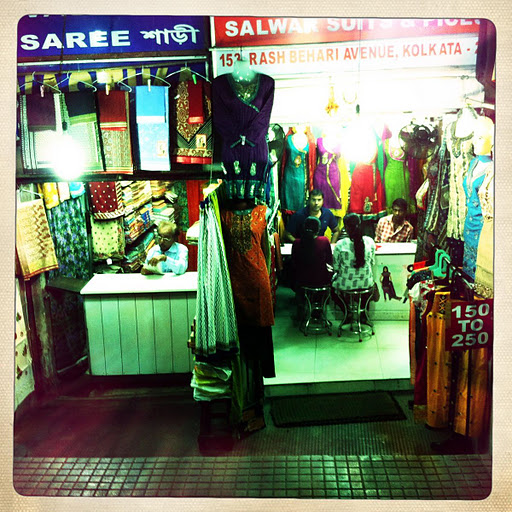
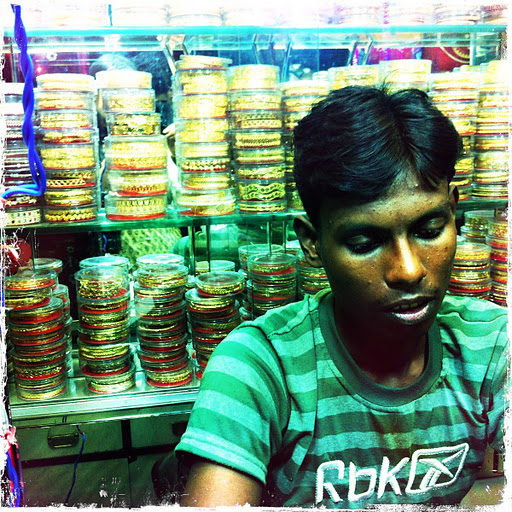
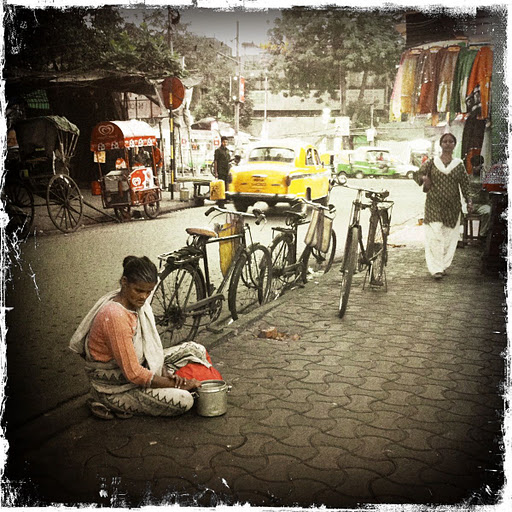
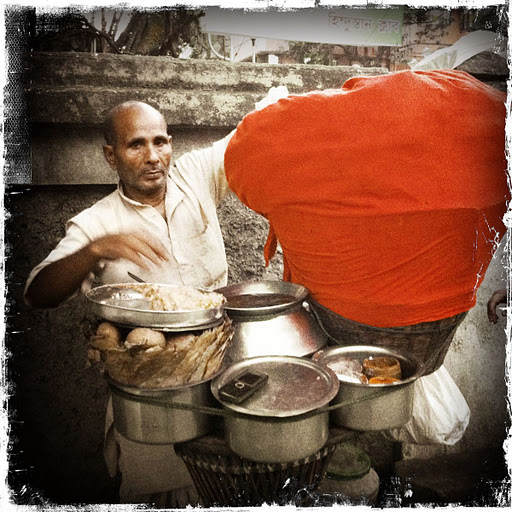
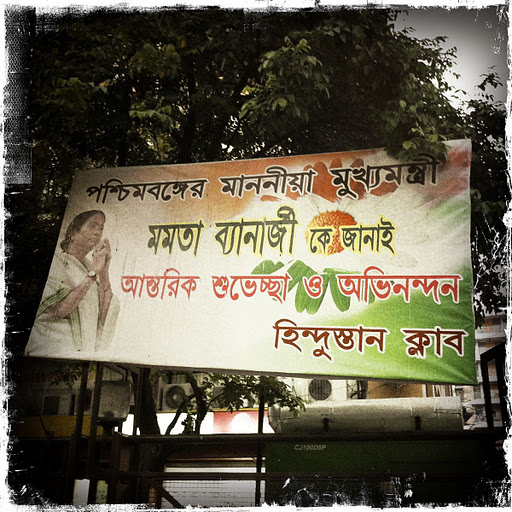
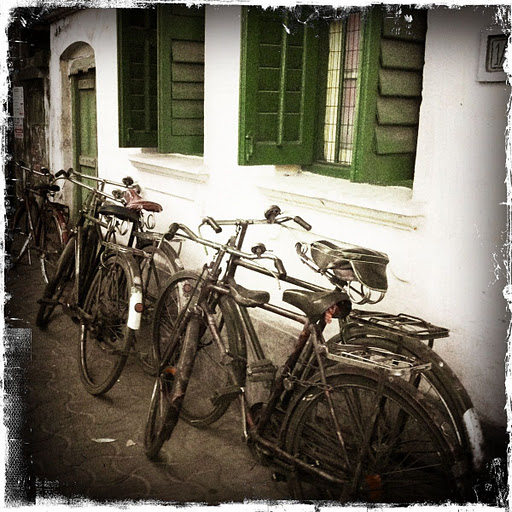
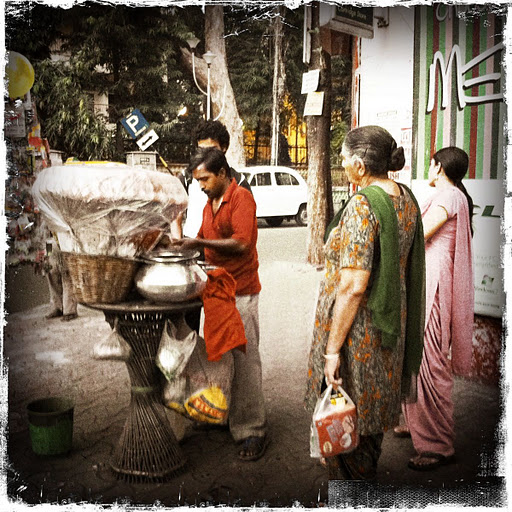
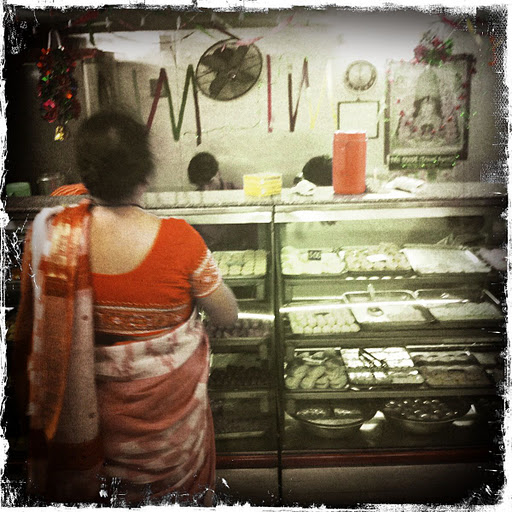
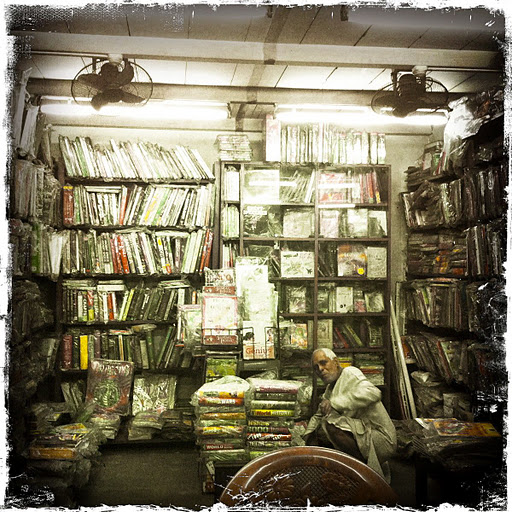
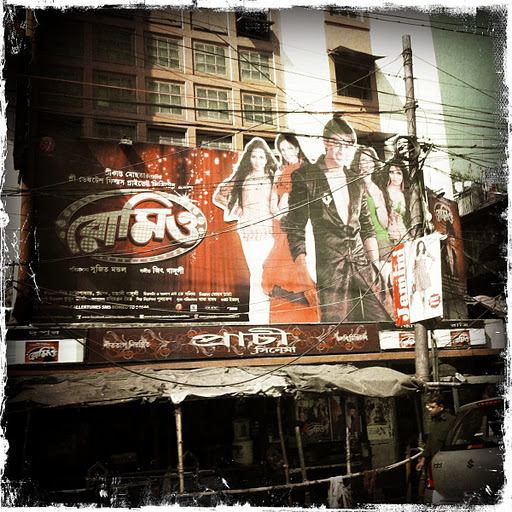
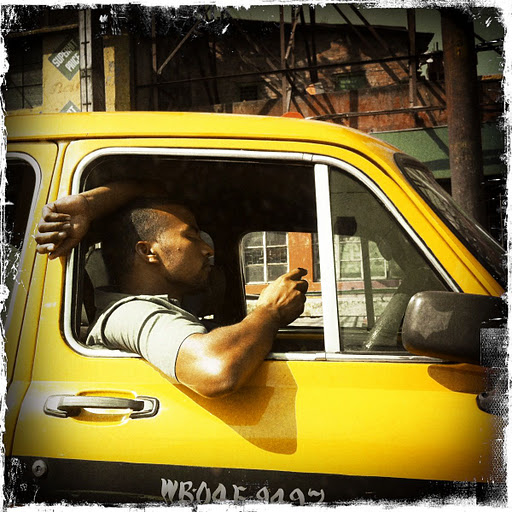
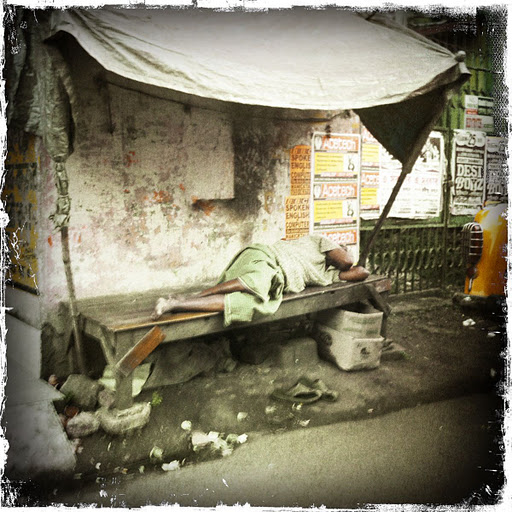
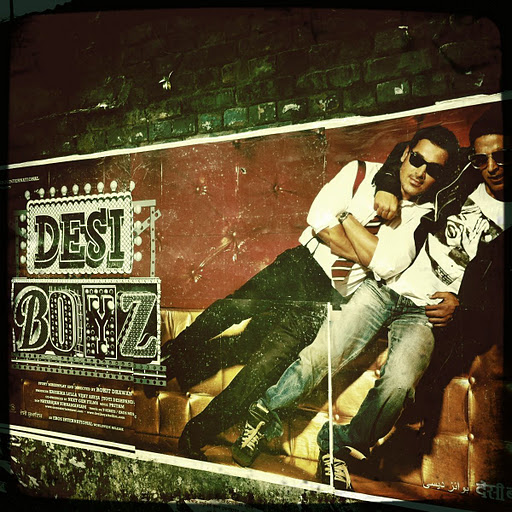
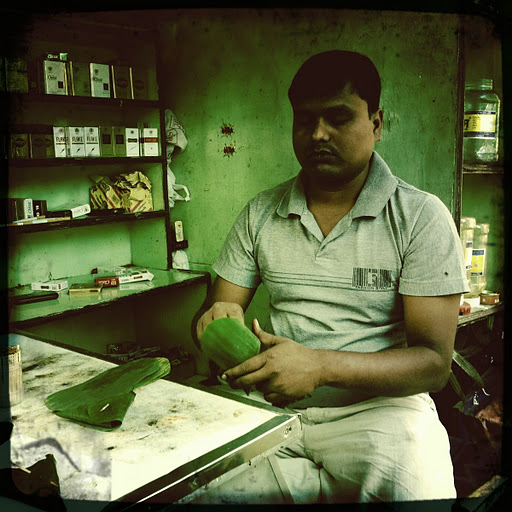
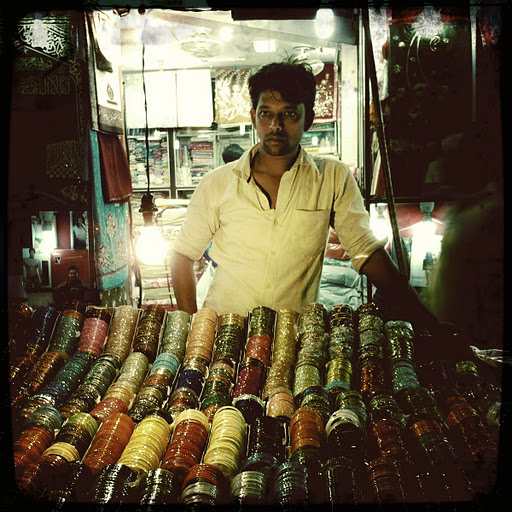
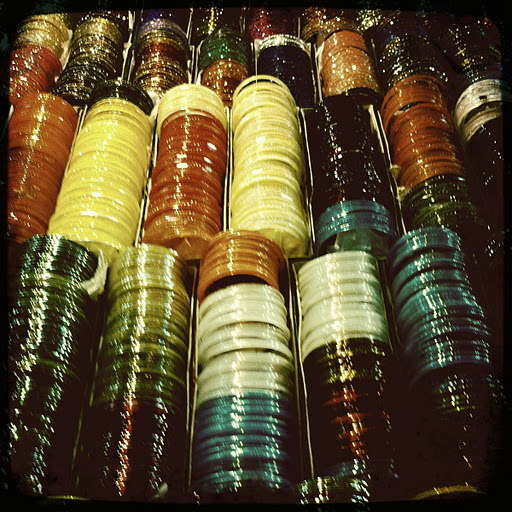
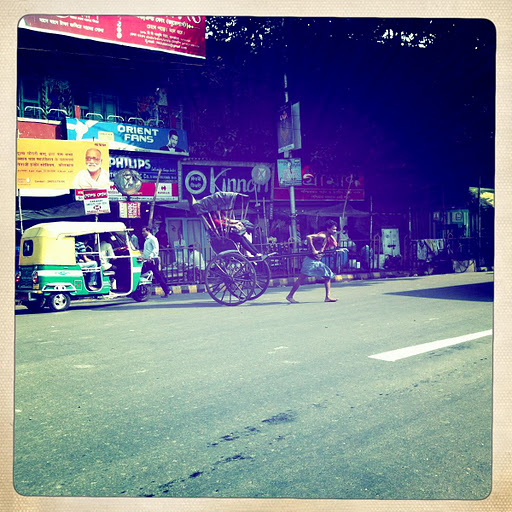
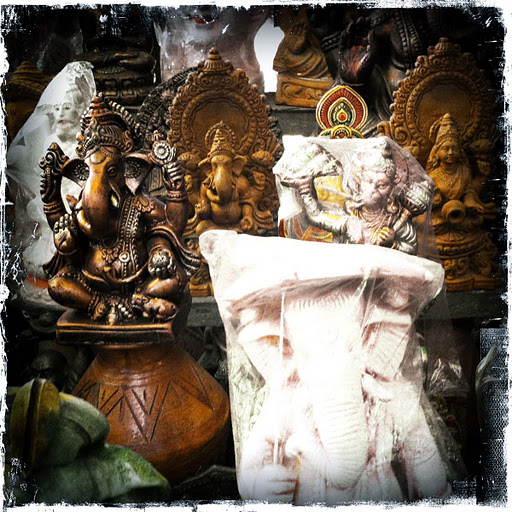
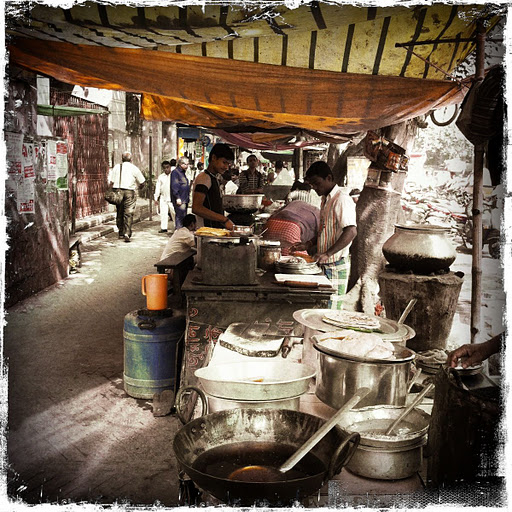
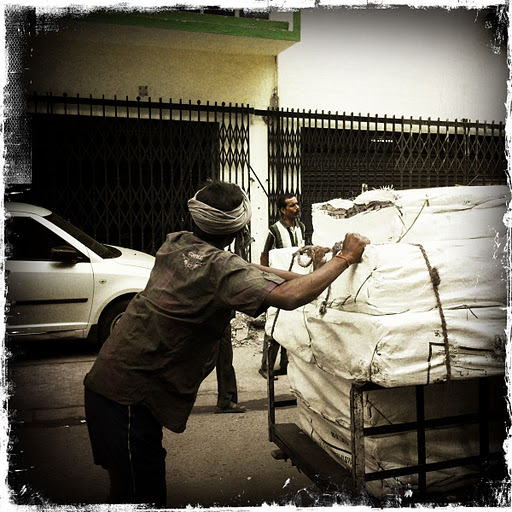
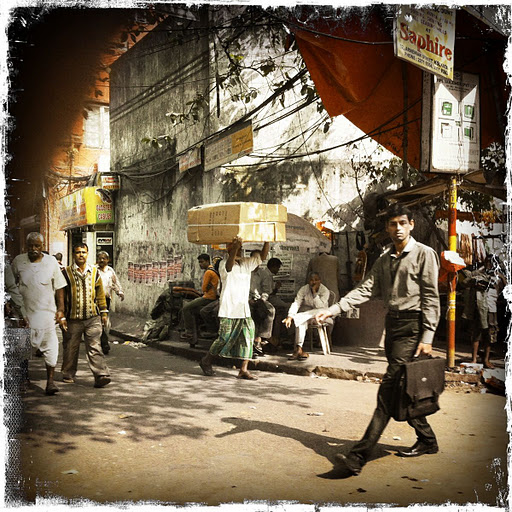
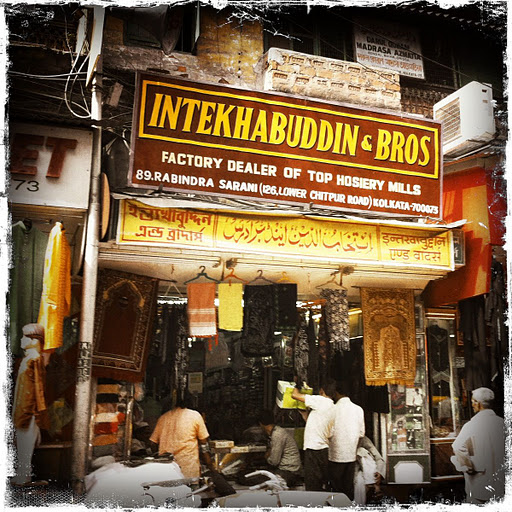
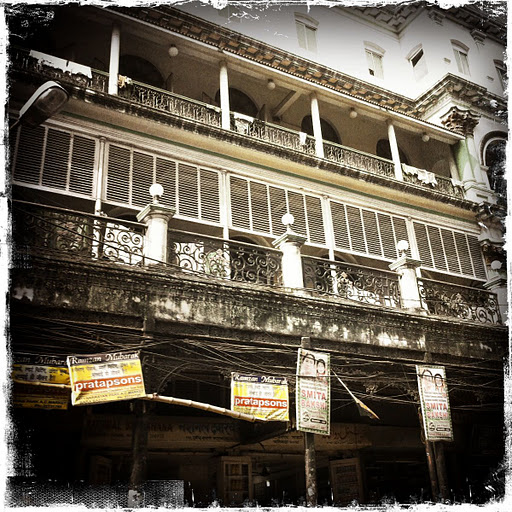
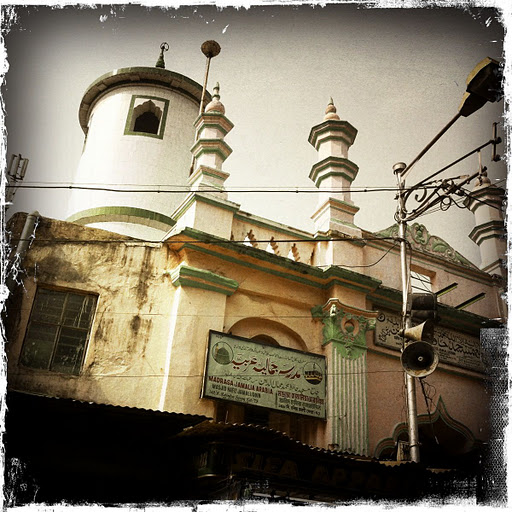
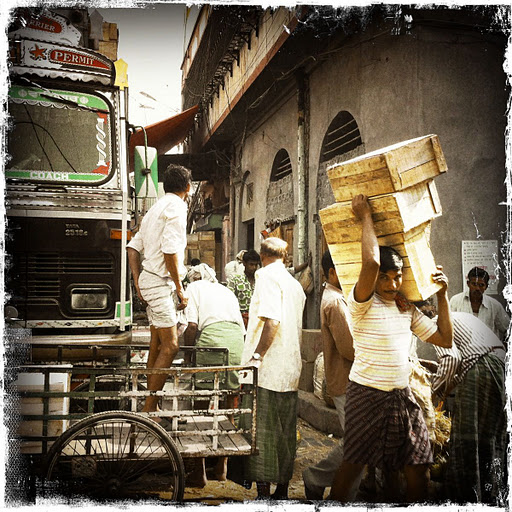
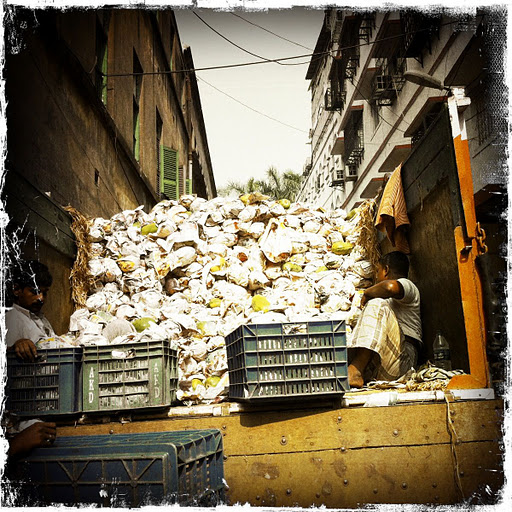
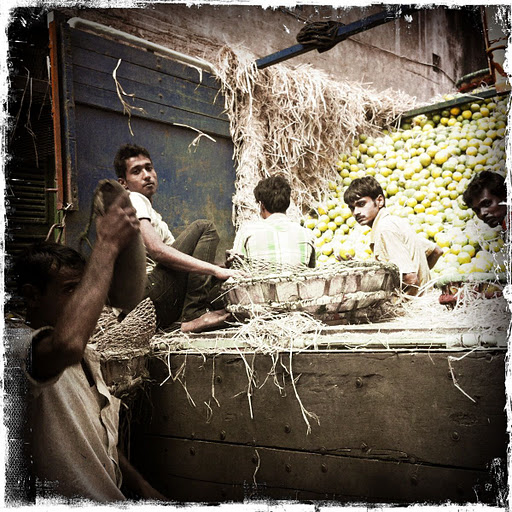
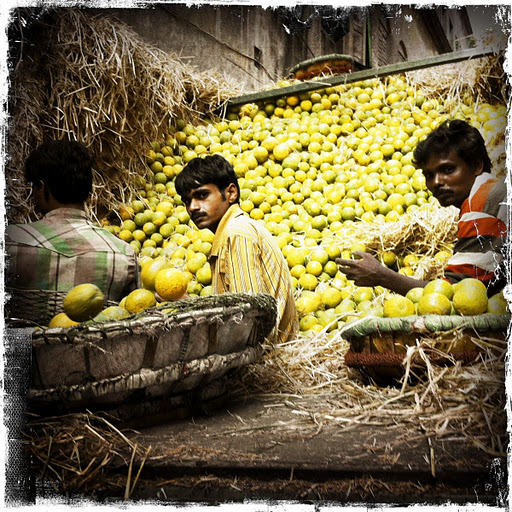
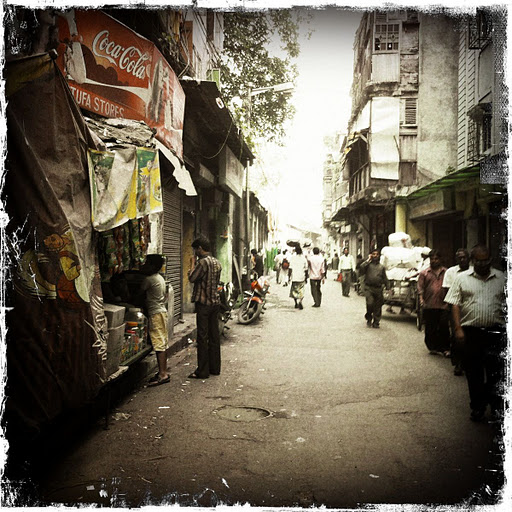
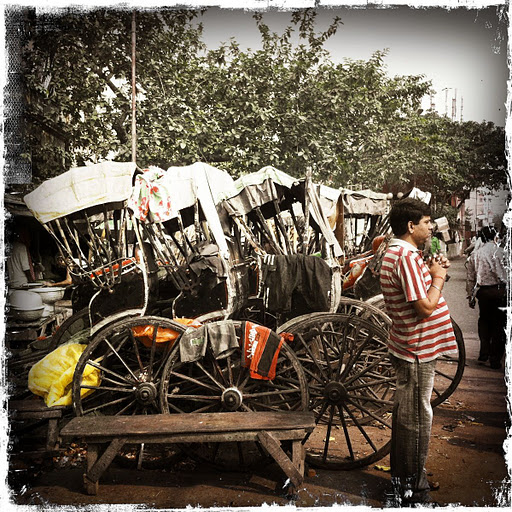
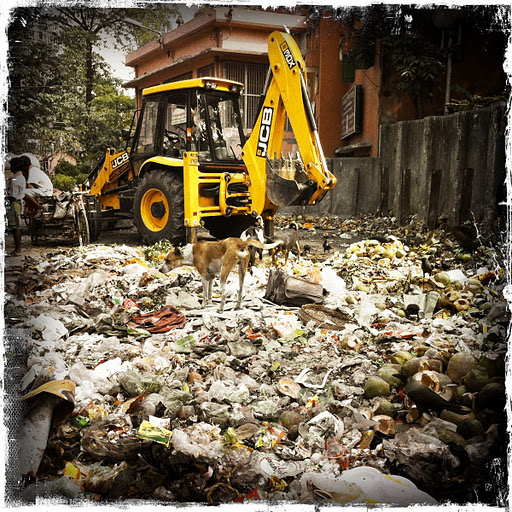
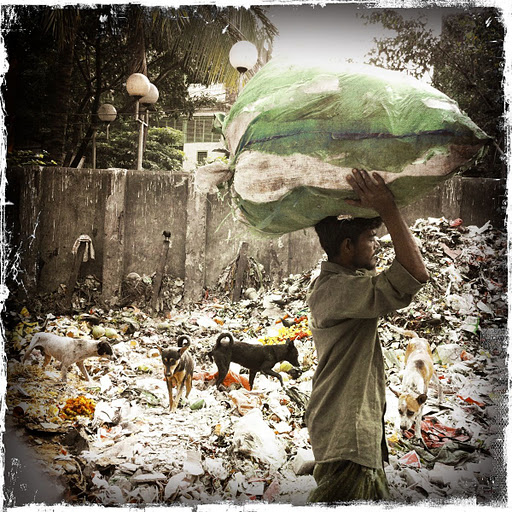
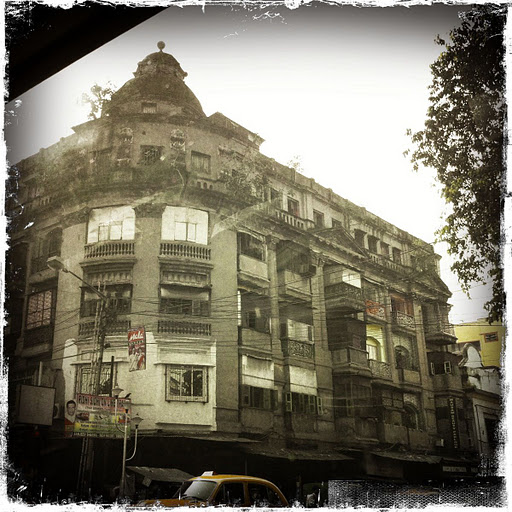
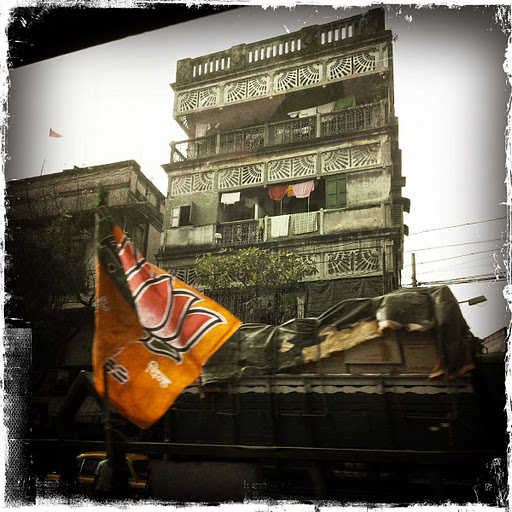
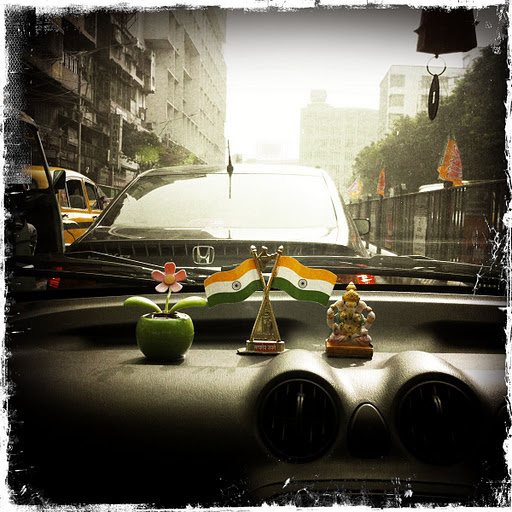
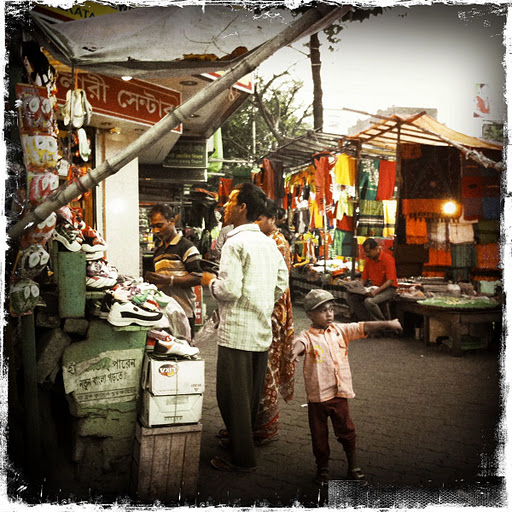
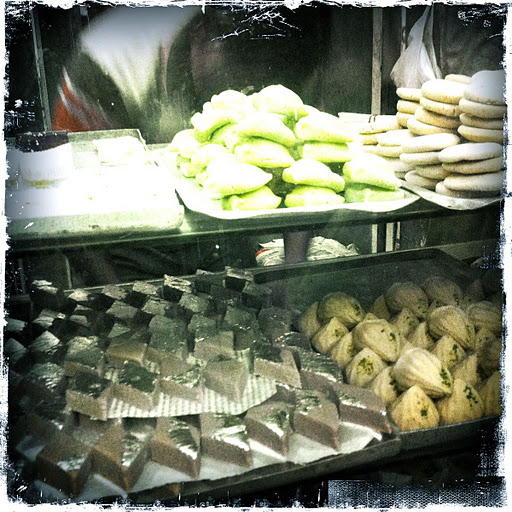
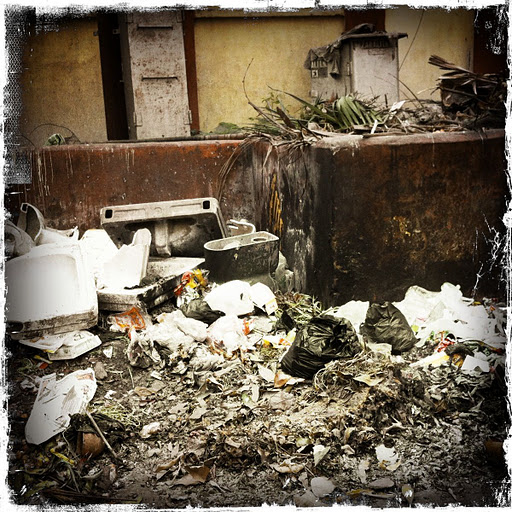
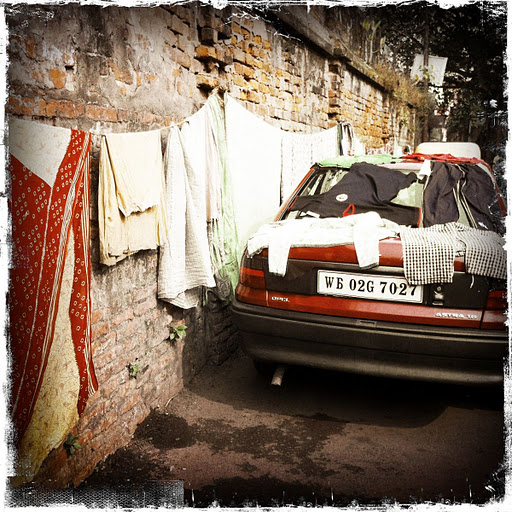
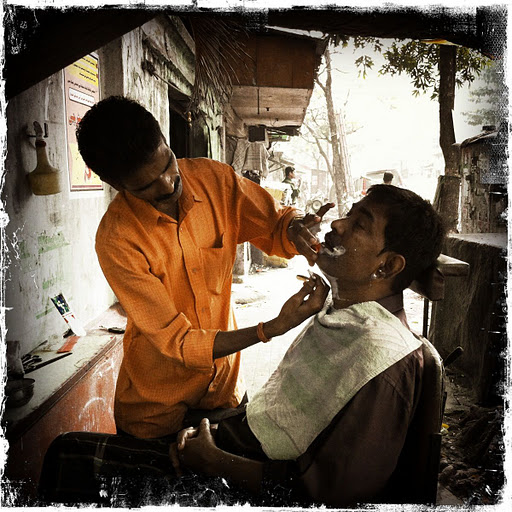
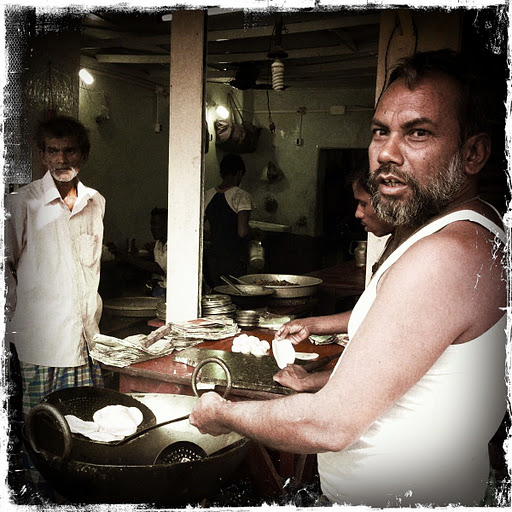
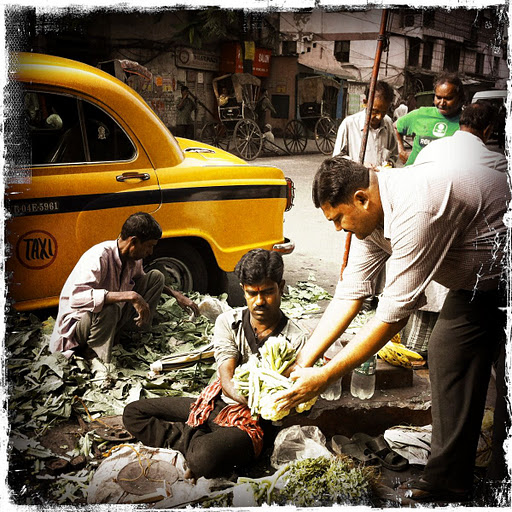
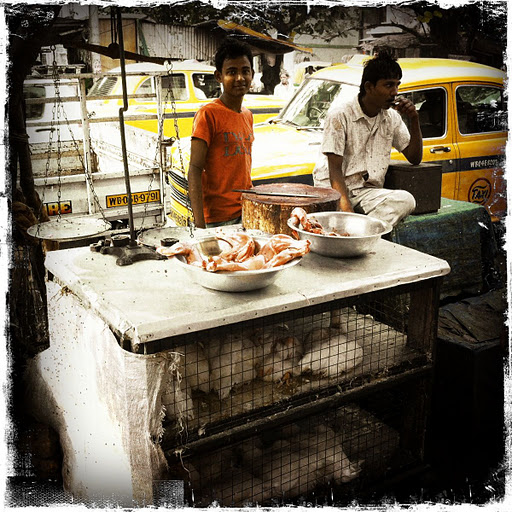
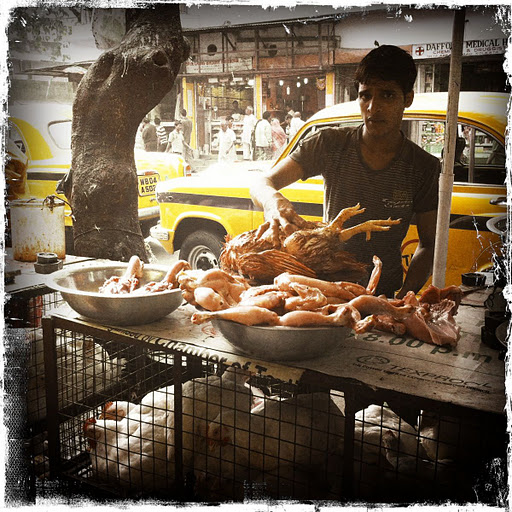
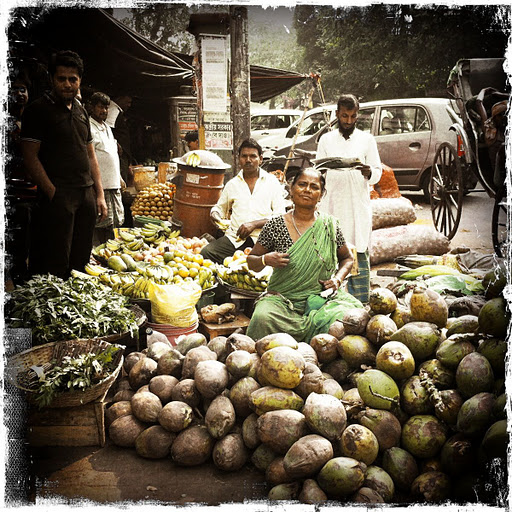
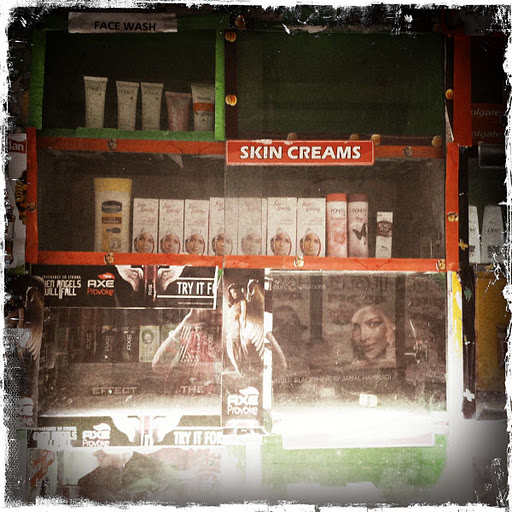
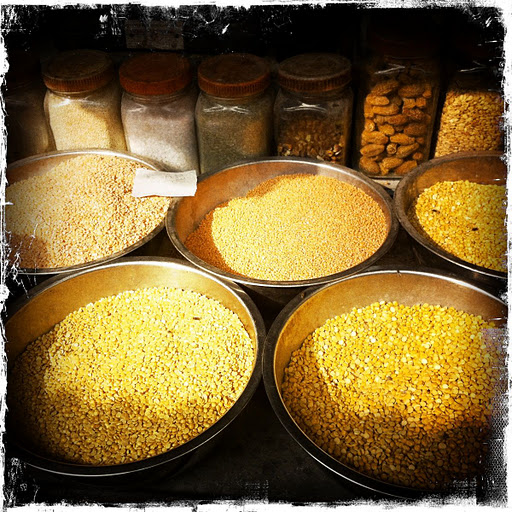
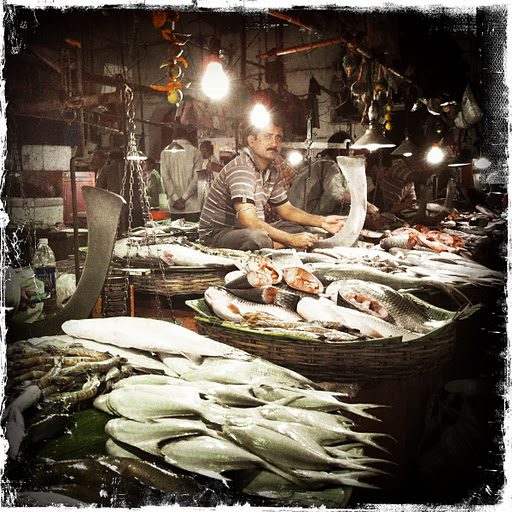
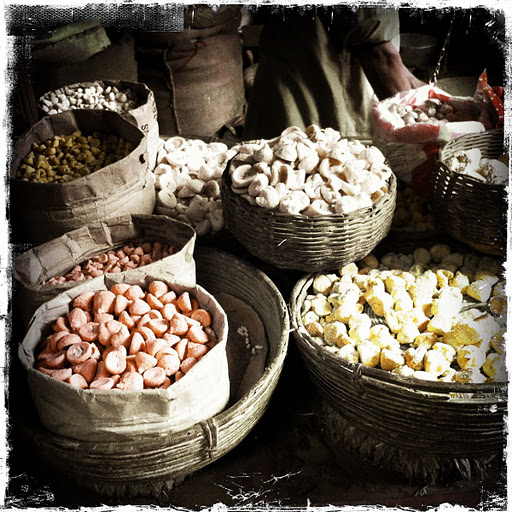
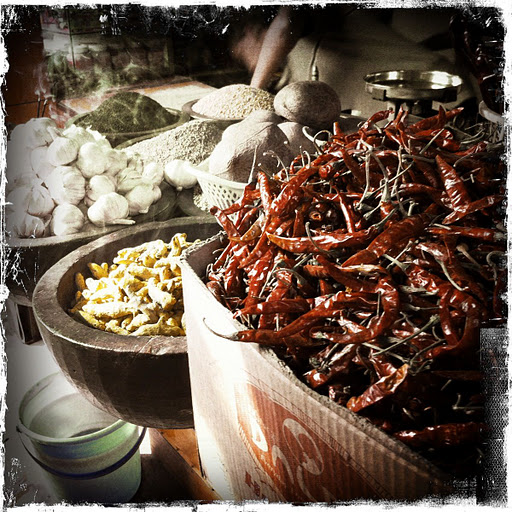
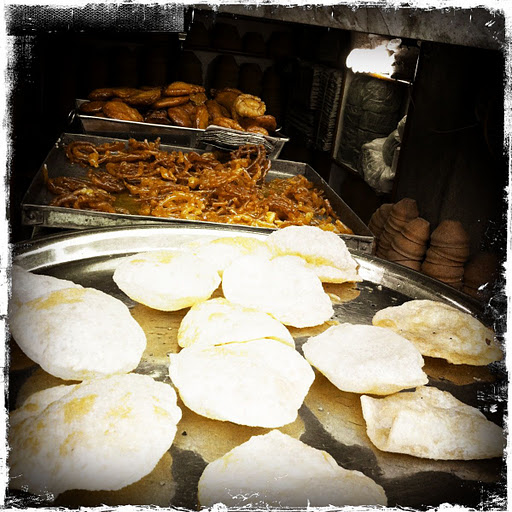
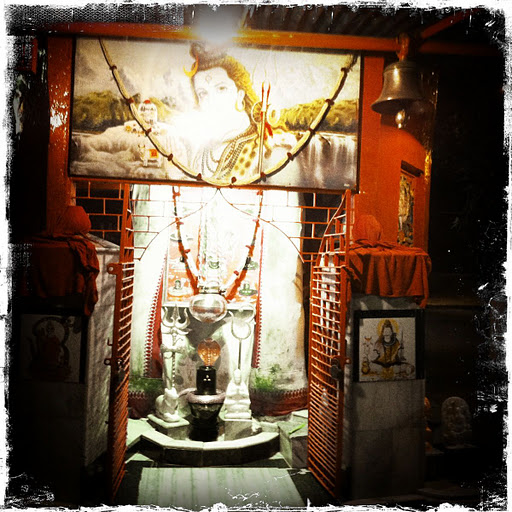
Life on the streets of Kolkata can be an assault to the senses for someone unaccustomed. For me, it’s home. The vendors, the noise, the traffic, the smells, the sounds. Everything. I snapped photos with my iPhone when I was home in November and December. Of rickshaw wallahs, sweet shops, jewelry stalls, tea vendors and grand dame buildings about to fall flat on their faces. And so much more.

I am born

To borrow from Charles Dickens:

WhetherI shall turn out to be the hero of my own life or whether that station will beheld by anyone else, these pages must show. To begin my life with the beginning ofmy life, I record that I was born (as I have been informed and believe) onthe thirteenth day of October. It was remarked that soon after my mother brought me home, a white owl appeared before her on the terrace, glistening in moonlight. 
 
It was Lakshmi Puja day, when Hindus worship the goddess of prosperity, grace, and charm. Lakshmi has a white owl by her side and the bird has come to be known as a sign of good luck. 
 
My mother was then convinced she had done the right thing.
 
By thatI mean that she had picked me up only days earlier at an orphanage in the Maniktola neighborhood of Kolkata. I had been left there, on the doorstep,hours after my birth.
 
Many people I have known in the course of my life have asked me why my natural parents abandoned me. I do not fully know the answer to that. If and when I do,perhaps I shall write more.
 
But what I do know is how lucky I was to have been left at that particular orphanage, run by American missionary Helen Benedict.
 
Mymother had just met Benedict at a luncheon at the Indo-American Society, whereshe was hoping to improve her spoken English. She told me she was attending afashion show. I never quite figured out what a missionary was doing at afashion show, but I am glad that Benedict went that day. 
 
She happened to be seated next to my mother, who lamented that she had not had success in having children. My parents had been married 10 years by then.
 
Benedict perked up.
 
A child was left on her doorstep, she told my mother. Would she like to come and look?
 
My mother went the next day with my grandmother. Many years later, I would see the gate through which she entered the day and meet the caretaker who greeted her.
 
I was only a few days old. Apparently, my mother agreed to take me home the moment she saw me. 
 
Benedict advised her that she ought to first consult my father. I suppose there was a chance that he might not have agreed — as much chance as there is of  snow falling in Kolkata.
 
He had already picked out a name. Monimala. Garland of pearls.
 
At seven days old, I was taken home. To an old house at 206 Barrackpur TrunkRoad on the campus of the Indian Statistical Institute. The banisters were wrought iron, the floors, marble. The courtyard was shaded by tall coconut palms.
 
My mother told me when I was much older that she had gone up the narrow stairs, up to the roof and seen the white owl. She felt unfiltered joy and relief, like monsoons after a searing May.
 
Many pages of my life are yet to be written.
 
But the first chapter begins with my great fortune — a child left at an orphanage who came into the home of a brilliant mathematician and his beautiful wife. That child might have grown up in slums, might not have been educated.Instead, she traveled the world and grew up to write about it.
I tell you this story on my 49th birthday.
 
Many people still ask me about my natural mother and father. But I tell them I had only one set of parents. They are long gone now but they gave me a life for which I will be eternally grateful. Yes, I an adopted child. Their blood does not run through my veins. 
 
But I have something much more potent — their love.

Balaka


It’s done.

The flat in the building called Balaka (which means swan in Bengali) at 68 B Ballygunj Circular Road is no longer my home. After nine-and-a half years of caring for it from across the globe, I completed the final act of an arduous sales process in Kolkata.

I’ve posted a photo taken out front this week. With me are Kalu and Bimal, two men who have done menial jobs at the building for most of the years my parents lived there.

In that flat, simple and not so large by American standards, I laughed, loved and lost. It was home for so many years.

It was there that my mother regained her verve for life after a massive stroke nearly took her life in 1982. She gained freedom in her small way, learning to wheel herself around the rooms and hallways with ease, poking her head into the kitchen and instructing the housekeeper how to make perfect Bengali fish curry.

Some evenings, she arranged for musicians to come to the flat. We’d sit on rugs on the floor and sing the songs of Tagore. My mother’s voice was gone when she was left half paralyzed, but she belted it out anyway. I sometimes caught her eyes watering. She lamented little after the stroke but I knew she yearned to play again the harmonium and sing the songs she loved most.

In the morning, after she had her third round of Darjeeling tea, she picked up the phone and called our relatives and friends to learn news of their lives. My mother was the glue that held our family together. When she died, I stopped knowing details about my aunts and uncles, cousins and friends.

It was there in that flat that my father sat at the dining room table for hours pruning his bansai plants. He filled the verandahs with greenery. The dahlias bloomed with fierce, spreading hues of reds, pinks and oranges across the view.

Or he sat with his magnifying glass struggling to read newspapers when the macular degeneration in his eyes began to blur his world. He often worked out his mathematical and statistical theories in his head, his hands moving in the air as though there was a chalkboard before him. He had made a name for himself in probability theory. Later in life, when Alzheimer’s began winning the battle, my father could not add two plus two.

Everything changed today when I signed over the final documents to the man who purchased our flat earlier this year. I waited in the West Bengal registration office for a long time, sandwiched between a zillion people in a British-era building now filled with cobwebs and dust.

My friend Vijay (on the right in the registration office photo) made it all happen for us. Without him, my brother and I might have still be mired in West Bengal bureaucracy. I really don’t know how to ever thank him.

But for a moment, after I signed the final document, I felt as though I had wronged my parents somehow. As though I had given away the place where they had found solace. I asked the new owner if I could take the brass nameplate on the door that carried my father’s name. (photo)

Then I descended down the long British Raj era staircase, its terrazo warped by footsteps from many decades. I turned back only once. And left with my memories, brilliant like diamonds.

Coming home


The taxi refused to take the Eastern Bypass — too dangerous in the wee hours of the morning before the sun comes up and lights up the despair of Kolkata. Instead, we took the old route from the airport in the northeastern part of the city to the south.

I had not taken these old roads in a while. But as a little girl, when life was harder, but oh, so much simpler, we traveled to the airport this way and stood on the “viewing deck” to see planes take off and land. It was a rarity then. Flying seemed so exotic, so other-worldly. Now, all I do is complain about sitting in cramped seats as we pass over oceans and continents.

At 3 in the morning, the city is finally quiet.

The thousands and thousands of street stalls and stores (like the ones in this photo of a shopping area near my house) are shuttered. Those who can afford it are sleeping soundly in the comfort of air-conditioning. Most are under whirring ceiling fans that bandy the humidity about — or nothing at all.

The heat has fallen after months of the monsoon, but after the glorious autumn weather in Atlanta, I feel hot. Restless.

I had not expected to pass by the flat my parents called home for so many years. I have returned to Kolkata this time to finalize its sale.I thought I would not have to see it until later.

But instead, we pass by the front gate, the taxi driver unknowing of the burst of emotions within me. I try hard to hold back the tears. I feel them welling. I don’t know whether to look or not. But I cannot control my glance.

I peer at the gate through which the taxi might have driven had Ma and Baba still been here. Ma always stayed up for me, no matter how late. I’d walk in through the front door and see her in her wheelchair, her eyes heavy with sleep would light up instantly at the sight of her only daughter.

She’d have tea ready for me. Maybe a snack. My bed would be made up with fresh sheets, a clean towel hanging in the bathroom.

There is no one waiting for me now.

The taxi driver carries me away from that moment of intimate familiarity to another place. A friend’s flat, perfectly comfortable but with the sting of loneliness. Daylight breaks early here; by 5:30 the city is springing to life again. But for me, today, everything is dark.

Bangla kobita (poetry)


This poem is written by one of my favourite Bengali poets, Joy Goswami. It loses in the translation, of course. And yet…

In the evening sadness comes and stands by the door, his face
Is hidden, from the dying sun he took some colors and painted his body
The sadness comes in the evening,
I stretched my hand and he caught my wrist, in an iron-hard clasp
He caught me out from my room, his face
Is black, he is ahead of me and I follow him
I crossed from the evening to the night, from the night to the dawn, then the morning, the noon, the day, the month
Crossing water, tree, boat, city, hill
Crossing blows, stumbling, poison, suspicions, jealousy, graves, genocide, the bones and ribs of civilization, swamp and grass
Then crossing my own death, death after death, going on and on
The bony fingers holding nothing but a pen
Nothing…

Freedom and flooding

A difficult agreement created Pakistan 63 years ago. The “land of the pure” was partitioned off from India and both nations became independent — Pakistan on August 14, 1947 and India a day later.

Though it split India apart, we were finally free. No more British Empire. No more second-class citizenry.

That’s why today should have been like any other August 14. Joyful. Celebratory. Patriotic.

Instead, Pakistanis will be surrounded by the misery created by torrential monsoons. Walls of water have drowned everything. The mighty Indus flows bloated — in some areas, it has swollen to 20 kilometers in width.

“Poor Pakistan. It can’t catch a break,” said a friend of mine in Kolkata, referring to a the awful earthquake, political crisis and militancy, which mars the landscape with violence every day.

She wondered what might have happened if Pakistan had never been split off from India.

Hypothesizing on the course of history, is ultimately, useless, but I thought about how things might have been different. Or not.

Nothing would have changed the cresting of the Indus this week. Nothing would have changed the water pouring from the skies.

My thoughts this day are with the people of Pakistan, separated from me by history, but not in soul. And I hope India will temper its own celebrations on August 15 and pause to reflect the terrible suffering of its neighbor.

Loadshedding


India has come a long way since my childhood.

And not.

This week’s headlines: Celsius rises, so does loadshedding. In American English, this means temperatures soaring above 100 degrees Fahrenheit and no electricity for hours and hours and hours.

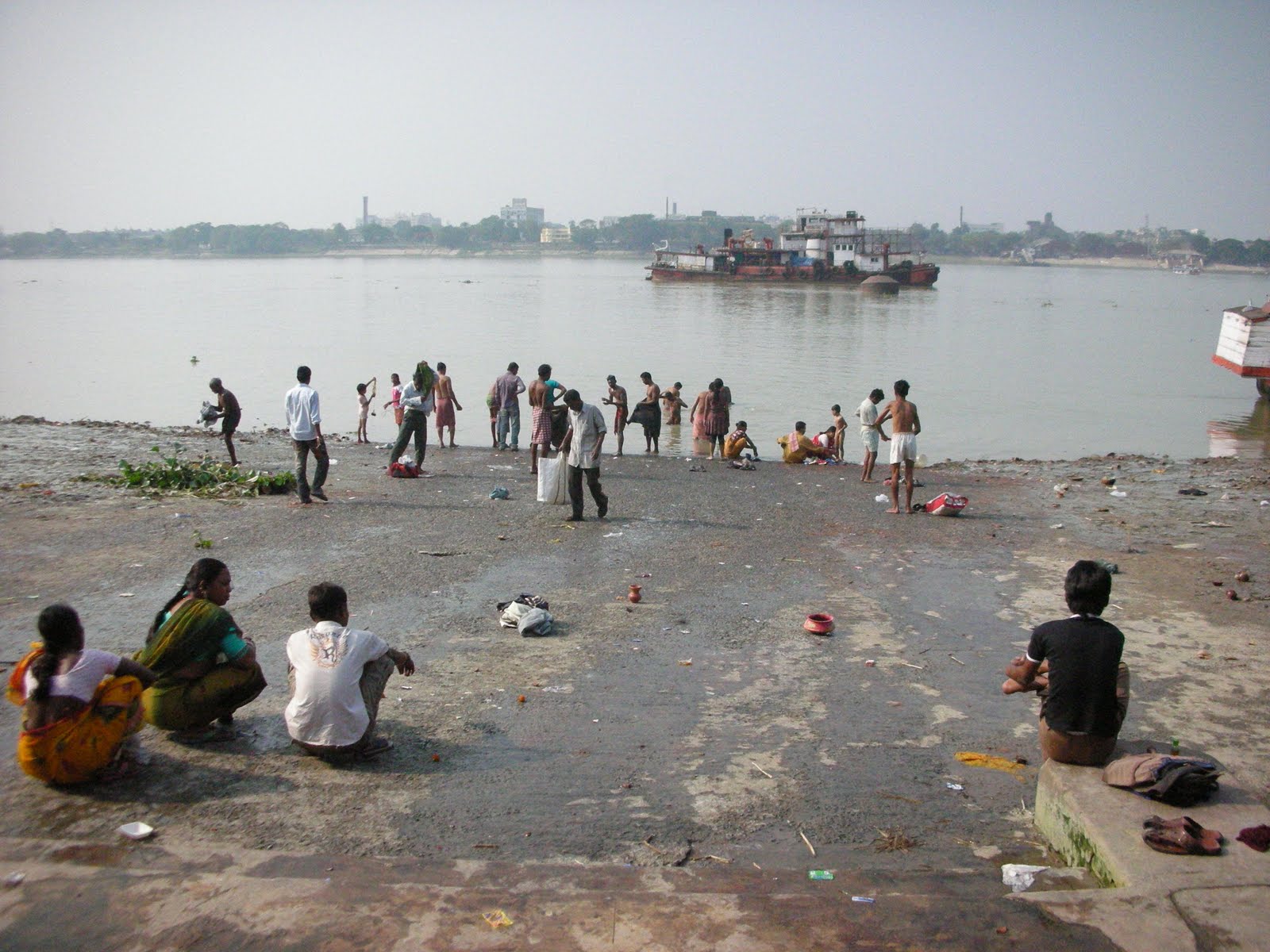
That’s the way it was when I was growing up in Kolkata. The only relief was to take a plunge in the rather polluted Ganges (see photo).

At school, it was difficult to concentrate. Instead, I’d be busy wiping dry the droplets of sweat on my textbook. One time, I’d obliterated the face of Shah Jahan (the Mogul emperor who built the Tak Mahal) in my history book with a good dousing. I watched the black ink run down the innards of the cheaply printed text. Too bad his son Aurangzeb could not dispose of him that easily.

Going home on a searing summer day was no comfort either. No bath because there was no power to pump the water to the roof. No fan. No respite. At night, we wet our bed sheets and put slabs of ice on our mattresses to stay cool inside the thick cotton mosquito nets and watched flying cockroaches and creepy insects crawl up the sides.

We’d wait for the monsoons to begin– usually the first or second week of June. My brother and I would stand in the courtyard fully clothed and let the rain soak us through. There was nothing that felt more soothing.

And now, in 2010, despite all of India’s economic gains, my friends and family in Kolkata are doing the same as we did 40 years ago.

The problem, says the Telegraph newspaper: Snags in the coal-supply chain are causing power generation units to perform below capacity.

While government agencies played the blame game, almost every Kolkata resident suffered power cuts this week for at least six ours. Worse still, the monsoonal rains are still far from the congested city — the weather forecast calls for hot and humid days.

Still feel like complaining about the pollen?