Phir bhi dil hai Hindustani

One reason I miss India terribly: my pishi (aunt).

“When did you get home?” a friend asked me yesterday.

“Last night,” I replied.

“It must feel good to be back,” she said.

The pause on the phone was long enough to be awkward.

“Yes,” I said. I wanted the conversation to end.

But what was home? That word has always been problematic for me. I have always straddled two continents, two cultures, a feat that becomes hard at times like this.

My closest friend Eugene in Kolkata and I used to discuss for long hours what being home meant. Was it in Atlanta, where I have lived for 23 years, where I work, where I laugh and love? Or is it in my native India, where I am not an “other” or a minority, where I can bask in my Indianness, where I am in my element like I can never be in America?

After my parents died in 2001, going “home” to India became emotionally exhausting. Kolkata was not the same without my Ma and Baba waiting for me at our flat on Ballygunj Circular Road. Some of my trips after that were short — I was but a tourist on a fleeting journey. Others were punctuated by weddings and funerals and other events that made them extraordinary.

This time, it was different.

Another reason I miss home: the incredible food.
Another reason I miss home: the incredible food. This is Sunday lunch at my aunt’s house in Delhi.

I spent a lot of time with my father’s sister, my pishi, in Kolkata and his brother and his wife in Delhi. My uncle and aunt are the only two of my father’s seven siblings who are still living. Three of my aunts and uncles died in painfully rapid succession in the last year and a half.

I felt a need to soak up my family as much as I could.

I was also on assignment for CNN for part of the time I was home. I found it refreshing to report on my own people for a change and to work alongside Indian journalists.

Now, I am back at my desk at CNN Center in Atlanta. I look at the sun and think that it also shone over India today, many hours earlier. I smell India in my notebooks and clothes and long to make that long plane journey back.

I am an American by nationality and in many ways, by identity. Yet my heart remains Indian. Phir bhi dil hai Hindustani. 

Vivek Singh

vivek

I just returned from a short trip to a part of central India that was previously unfamiliar — Gadchiroli District in the state of Maharashtra. I was there to report a rape story for CNN and traveled with CNN cameraman Sanjiv Talreja and producer Harmeet Shah Singh.

Photojournalist Vivek Singh also accompanied us. He’s a freelancer based in Delhi and we’ve used his work on CNN’s photo blog. I edited the text that ran with an amazing gallery about rising tensions between Bodo tribespeople and Bengali Muslims in northeastern India. It was refreshing to see journalism from India that goes far beyond the breathless and sensational stuff that is common in the media here.

Vivek’s work is hauntingly beautiful. Powerful. Sometimes stark in black and white. It’s difficult to take your eyes off his images. I was lucky he was able to make it to Gadchiroli with us.

Check out Vivek’s work here:

http://www.viveksinghphotography.com/#/home?i=1710

Happy Birthday

My mother and me at the Acropolis in Greece. June 23, 1964.

My mother would have turned 82 today. I would have picked up the phone and called her. 011-91-33-2247-6600.

I would have said: Ma! Happy Birthday. I would have asked her what she was doing to celebrate.

She would have said that my pishi (aunt) was coming over for lunch. Nothing special was planned.

I wold have asked about what else was going on. She would have given me family updates — she kept in touch with everyone. She was the glue. She would have caught me up with gossip about the neighbors in our flat building.

She would have hurried through the conversation to get to the most important part. When will you come to Kolkata?

I would have said: In mid-September, Ma. I will be there soon.

I would have imagined her smile. She would have told me how she couldn’t wait to see me.

I will get on a plane to go home next week but she won’t be there waiting for me.

Happy Birthday, beautiful Ma. I miss you every waking moment.

The price of independence

Independence turned bloody as uprooted Hindus, Muslims and Sikhs crossed borders.
Independence turned bloody as Hindus, Muslims and Sikhs crossed borders.

It’s too bad “Midnight’s Children” was a bust at the box office. I’m thinking that Deepa Mehta was perhaps the wrong director to give us the celluloid depiction of Salman Rushdie’s terrific book, which won the Booker Prize in 1981.

The protagonist and narrator of Rushdie’s story, Saleem Sinai, is born at the exact moment when India gained independence from Britain. The film, had it been a success, might have broadened knowledge of the painful history of my homeland, just like “Gandhi” had done years before. “Gandhi” won various Oscars in 1983, including best picture.

At 11:57 p.m. on August 14, 1947, the nation of Pakistan was born, carved out of land that was a part of British India. Five minutes later, at 12:02 a.m. on August 15, India was declared a free nation. To all my Pakistani and Indian friends: Happy Independence Day.

That independence came with a steep price. British India was partitioned along religious and political lines. Pakistan became the Muslim homeland and Muslims living in lndia crossed borders on the west and east. At the same time, Hindus and Sikhs in the new Pakistan made the trek to India. At least 10 million people were uprooted from their homes; some estimates say it was as many as 25 million.

It was far from peaceful, far from what Mahatma Gandhi, the father of non-violence had anticipated.

Hindus and Muslims butchered each other. Sometimes, entire trains from Punjab to Pakistan arrived with seats and bunks awash in red. Or vice versa. Women were raped; children slaughtered. There are no exact counts of the dead; just an estimate of 250,000 to 2 million.

Gandhi’s non-violent revolution turned exceedingly bloody. Brother against brother. Blood spilled in the name of religion.

My father’s generation remembers that ugly time in our history. His family was displaced from their home in Dhaka, Bangladesh, and started over in Calcutta. I heard stories from him and his friends and other Indians I have met from that era.

Atlanta physician Khalid Siddiq was one of those people. He told me he boarded a crowded train in New Delhi with his parents and four siblings to make a terrifying two-day journey through the farmlands of Punjab.

“I was very young but I think I understood what was happening,” he told me. “I could see the fear and anguish on my father’s face. It was a terrifying experience for everybody.”

Sohan Manocha told me he witnessed hundreds of killings as a young Hindu boy in Punjab. “That kind of horror leaves memories that are hard to erase, ” he said.

The stories of the painful birth of India and Pakistan are dying with the people who lived it. I am sorry I never recorded my conversations with people I knew.

Luckily, an oral history project, 1947 Partition Archive, is doing just that.

“The 1947 Partition Archive is a people-powered non-profit organization dedicated to documenting, preserving and sharing eye-witness accounts from all ethnic, religious and economic communities affected by the Partition of British India in 1947,” the website says. “We provide a platform for anyone anywhere in the world to collect, archive and display oral histories that document not only Partition, but pre-Partition life and culture as well as post-Partition migrations and life changes.”

I’m glad someone took the time to preserve history.

It’s especially important since tensions between India and Pakistan have never settled.

Just last week, five Indian soldiers were killed last week along the heavily militarized Line of Control, the de facto border in the disputed region of Kashmir. Since then skirmishes have flared tension between the two rival nations. Again. (India and Pakistan have already fought two full-scale wars over Kashmir, which Pakistan argues should have been a part of the newly formed Muslim nation in 1947.)

So on this Independence Day, I remember all those lives that were lost in the making of free nations, in the making of our destinies.

Reach for the Sky

Last weekend, I went to a trunk show of jewelry crafted by my friend Anubha Jayaswal. She’s a friend from my hometown, Kolkata; her husband Vishal loves Bengali food more than I do. That’s true homage to the cuisine of my culture.

Anubha works in the frenzied world of finance but when she has spare time, she makes jewelry. Check out her stuff on her Sky Jewelry page on Facebook.

I bought a couple of pieces and enjoyed the afternoon talking with desi girls who, like me, are not big fans of the ornate gold stuff you see in Indian wedding photos.

Sacred sounds

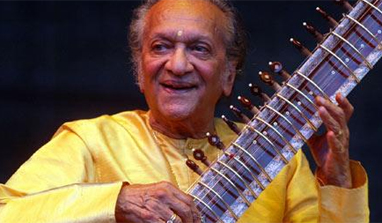
ShankarOne of the greatest musical talents of our time was silenced Tuesday. Ravi Shankar died at 92.

His was a name I grew up with, a name that made me proud to be Indian at a time when my country was known mostly for human misery.

I read the sad news of Shankar’s death Tuesday evening in The Hindu newspaper and thought back to a time when I was still in high school in Tallahassee, Florida. Ravi Shankar was touring the United States and he was coming to Florida State University’s music school for a performance.

There were only a handful of Indian families in Tallahassee then and not much for us in the way of our culture. It was a rare treat for us to be able to hear the pandit play the sitar.

My mother was especially excited. She sang Rabindra Sangeet and played the taanpura, an Indian string instrument that resembles the sitar but has no frets.

Then came a phone call from the organizers of the Shankar event at FSU. The maestro was sick of eating steak and potatoes and had requested a Bengali meal in Tallahassee. My mother was asked to do the honors.

It wasn’t easy to make authentic Bengali food at home in those days because no stores carried fenugreek or mustard oil. Most people didn’t even know what cilantro was back then.

My mother did the best she could with her stockpile of spices purchased from New York wholesalers. I remember she began cooking days ahead so she could present dinner in Indian fashion — at least seven or eight courses and then several desserts. The Bengalis are known for their “mishti.”

Listening to Ravi Shankar was magical that night. I didn’t understand Indian classical music very well then. In fact, I was not unlike most Westerners who equated Ravi Shankar’s name with George Harrison and the concert for Bangladesh.

The great tabla player Alla Rakha accompanied Shankar’s sitar that night. When they arrived at our humble split-level house for dinner, I was in awe. I couldn’t believe I was sitting at the same table with these musical giants.

Later, I came to appreciate Indian classic music much more. Now I own many of Ravi Shankar’s music as well as that of his daughter, Anoushka.

But my lack of knowledge didn’t matter that night in Florida. Shankar’s music was mellifluous. Like a luscious silk sari fluttering in the wind. Like rays of sun peaking through clouds. It was, as the pandit himself said, music that is sacred.

Read my appreciation of Ravi Shankar on CNN.


Kaka

Kaka, standing on the balcony of the house
in New Alipur in the 1950s.

When I was a little girl, we lived in a house my grandfatherbuilt. It was common then for sons to remain in the house with their parentseven after they were married and had children. It was an extended family systemthat is dying out fast now in urban India.
I grew up rich with memories of relatives, close anddistant. I was privy to my father’s family history, told in most vivid detailby my uncle, Samir Kumar Basu. I always knew him as Kaka, the Bengali moniker for a father’s younger brother.
Kaka was only a year and half younger than Baba. The twowere extremely close growing up in Dhaka, Bangladesh, united perhaps in theireye problems that took root at a very early age. Both had macular degeneration.Both wore glasses so thick that I substituted them for magnifiers to look atflower parts for biology class.
Kaka lived on the third floor of my grandfather’s house inNew Alipur, then a fairly new development in Kolkata. He was a brilliant manand soon rose to the top of the companies where he worked. Eventually, hebecame director of Chloride India.
We ate breakfast together every morning. I sat with my roti,potatoes and cauliflower. He, with his half-boiled egg on a porcelain Englishstand and two pieces of white toast with butter.
Playing chess with my father in Florida, late 1970s

Afterwards, I climbed into the back of his Ambassador for alift to Gokhale Memorial, the school I attended  in those days. On the way, we would talk about everything.It must have been irritating for him to have a five-year-old chatterbox gononstop before a hard days work was about to begin. 
“Boddo kotha bolish,” he would say sometimes. You talk toomuch.
In the evenings, after homework, after an evening bath, Iwaited anxiously for my Baba and Kaka to return home. Both had a habit ofpacing from verandah to verandah. Kaka would whistle popular Rabindrasangeet. Itried to imitate him. How was he able to get tunes out with such precision?
We sat down to dinner together and Kaka always made sure togrill me on what I had learned that day. He’d quiz me with a geographyquestion. And when I wandered off point, he’d tell me I was talking too muchagain.
Kaka and me at a family wedding, 2009

In later years, Kaka moved out into a posh company flat. Iwanted to go spend days there not just because of the air-conditioning but tomonopolize Kaka’s time.

He never married or had children. Over the years, he grewaccustomed to life alone, though he was always generous to open up his home forothers. After my parents died in 2001, I often stayed in one of Kaka’s guestrooms.
Evening conversations were never dull with Kaka. We arguedsometimes but he always treated me with respect; asked me about things inAmerica that he did not know well. He was one of the few members of my familywho took a keen interest in my journalism. Even introduced me to his friends totalk about the Iraq war.
Kaka at Calcutta Club.

He especially liked to gab with his peers at Calcutta Club,a social club that was started in 1907 when Indians were not allowed into thewhites-only Bengal Club. Later in life, when Kaka became frail and his eyesfailed him completely, he held onto his trek to the club as salvation from loneliness.He left exactly at a certain time and was rarely late coming home. He nappedfor three hours, limited his cocktail hour before dinner and ate with extremediscipline. I admired that about him. How he kept to routine. How he neverindulged.
The last time I saw Kaka was in early December. I had stayedwith him for almost two weeks during a visit home. He liked to listen toBengali songs on my iPod. The noise-cancelling headphones, he said, made itfeel as though he were in a concert hall. He marveled at the technology thathis poor eyesight prevented him from enjoying.
Some nights, we watched Bengali soap operas on television.He listened intently to the dialog and when the screen was silent, I describedfor him what was unfolding.  Ithought it was grossly unfair that a man who lived by himself should not havethe benefit of sight – without being able to read or enjoy television.
But Kaka never felt sorry for himself or allowed pity. Iwill always think of him as the most fiercely independent person in my family.
Several years ago, the night of my departure from Kolkata,Kaka sat me down at his dining table. 
“Wait,” he said, shuffling off to his bedroom, counting hissteps as he always did and feeling his way to his closet.
He returned a few minutes later with an old jewelry box. Ithad once been a rich blue velvet. Now it was worn, the cardboard peekingthrough.
“Toke ar ki debo?” he said. What else can I give you?
I took that to mean that he thought I had all that I needed.True. Or that I wasn’t one for ornate ornaments that most Bengali women ogle.Also true.
He began telling me a tale of a trip he made to Hyderabad,years before my birth. The southern Indian city is famous for two things:Biryani, the Mughlai rice dish, and fresh water pearls, he said.
My cousin Sudip took all of us out to eat in 2005.
Kaka loved food and enjoyed it throughly.

“I bought this in Hyderabad. It’s not biryani,” he laughed.

A string of iridescent pearls glowed under the light of hischandelier.
“Kaka,” I said. “You don’t have to give me these.”
I wondered why he had bought them. Had they been meant for someone?Or had he just picked them up because it was the thing to do in Hyderabad?
“It’s a very small thing,” he said. “Wear them and think ofme.”
Last November, he’d called me in Atlanta to ask that I bringhim good Belgian chocolates. He loved the taste of cocoa on his tongue justbefore he went to sleep every night.
Kaka at a wedding in 2009. 

My aunt, Pishi, told me that Monday night, Kaka had askedfor chocolate. She took that to mean that he was recovering from a recent boutof illness. But Wednesday, he was gone.

He died in his sleep, peacefully.
In 2010, when I visited Kaka, I had recorded some of ourconversations. Kaka loved to tell me stories about my father’s childhood. I hadplanned to finish those conversations. Ask him questions about a time with few records, save a few old black and white photographs. Kaka was awonderful storyteller and now an important part of my family’s oral history hasbeen silenced.
He was the eldest living of my father’s siblings. Manythought him as the family anchor. I simply thought of him as Kaka, the man whobecame my father after my own died, the man who stood by me always.
I will miss you terribly.

Kolkata Hipstamatic

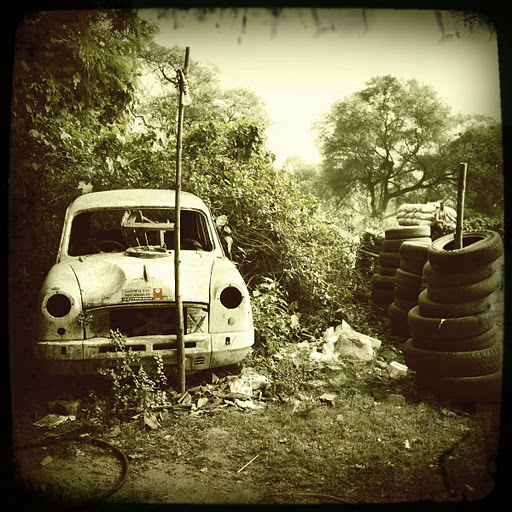
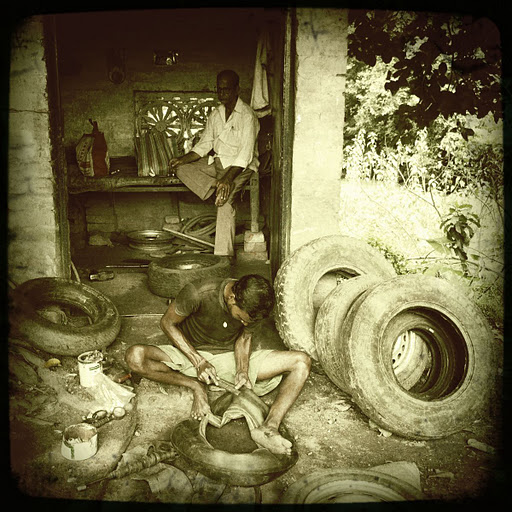
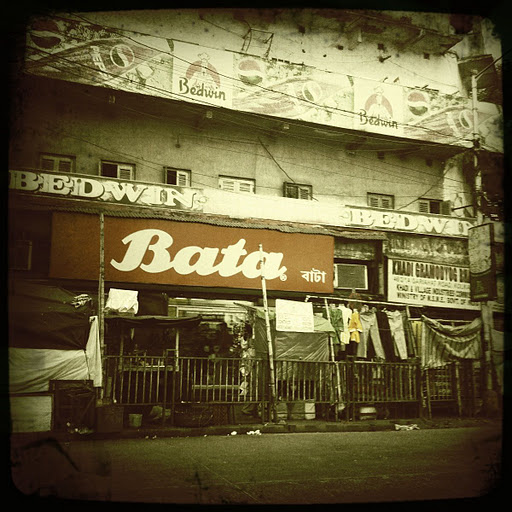
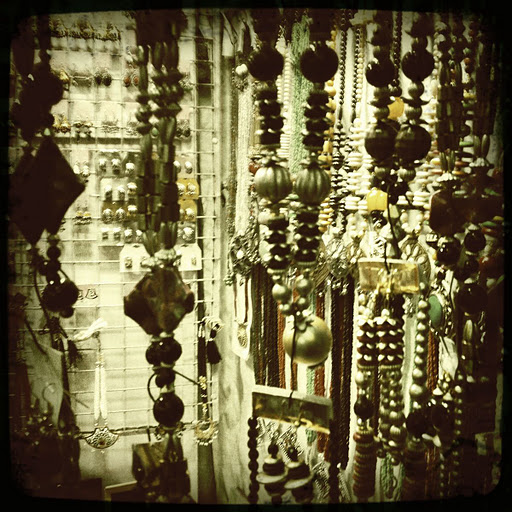
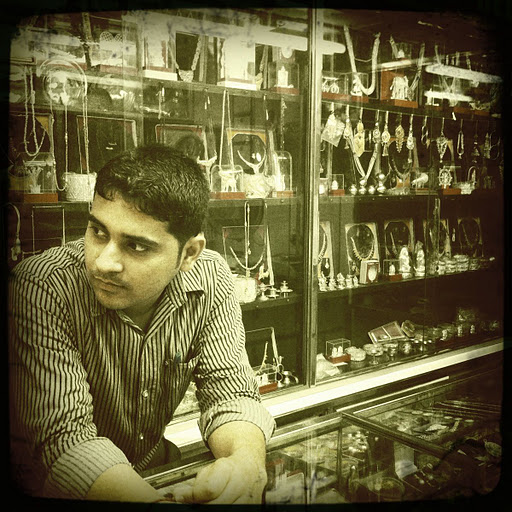
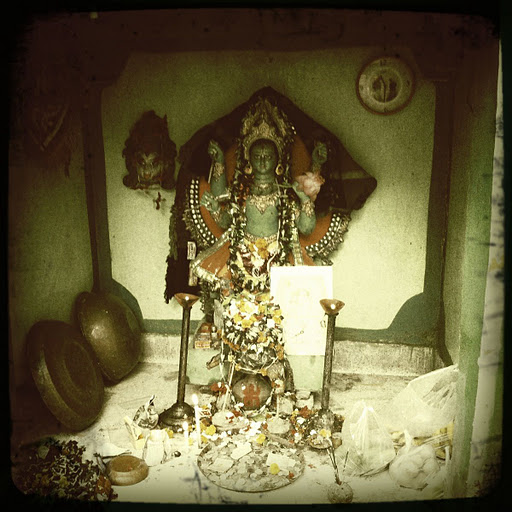
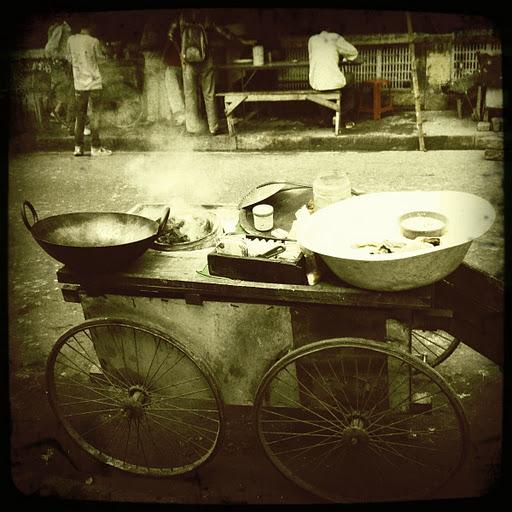
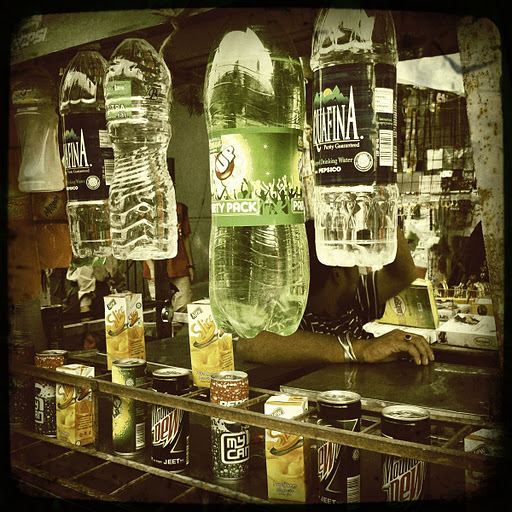
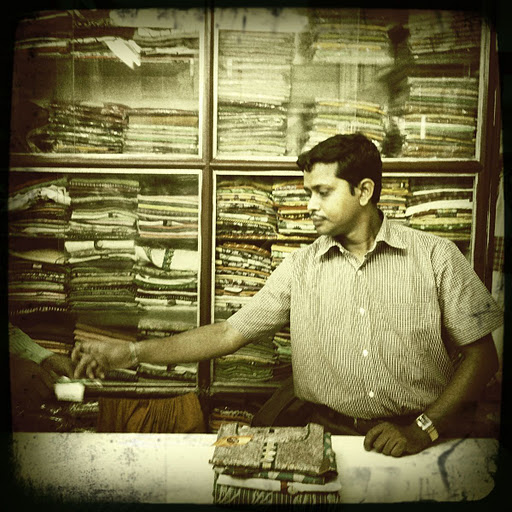
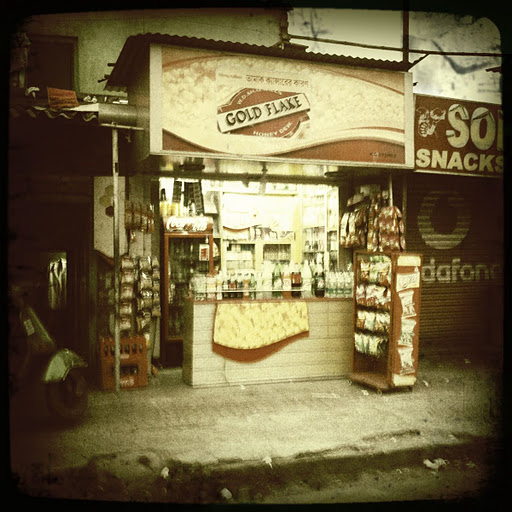
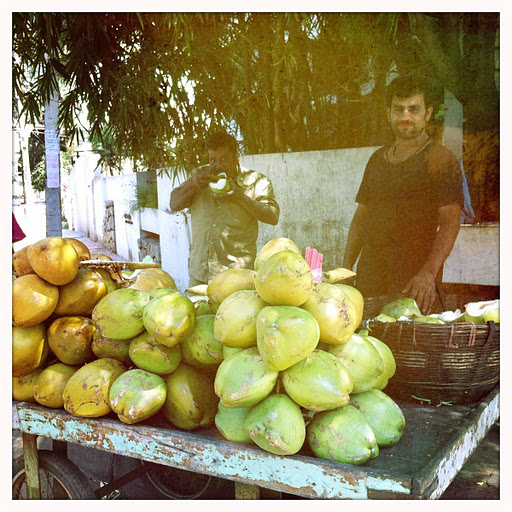
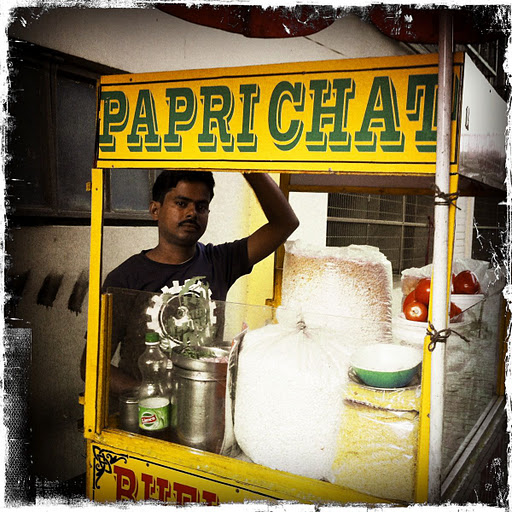
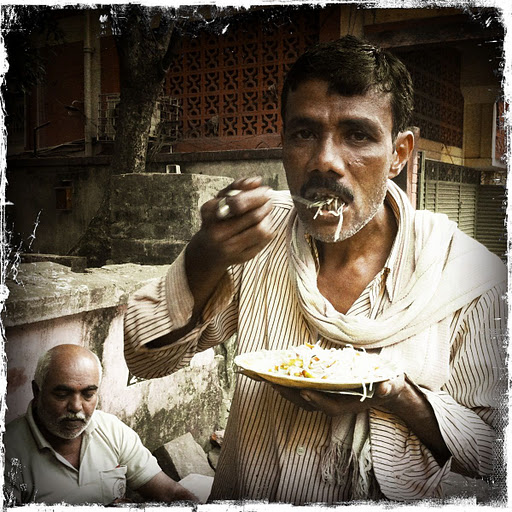
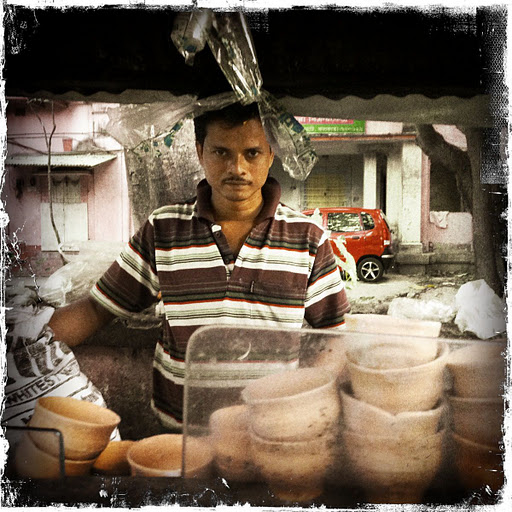
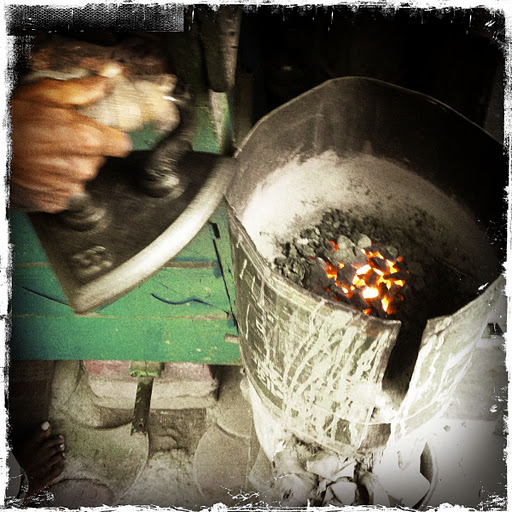
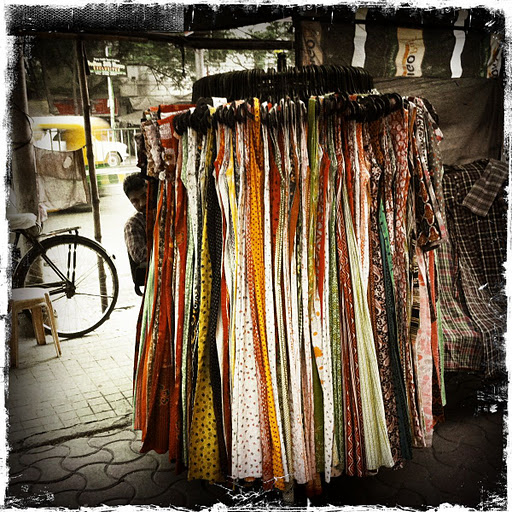
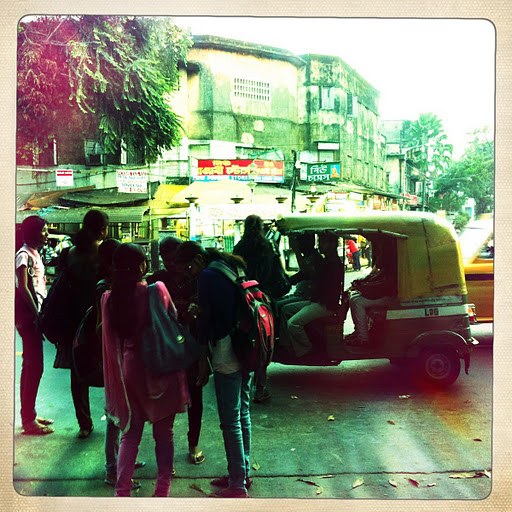
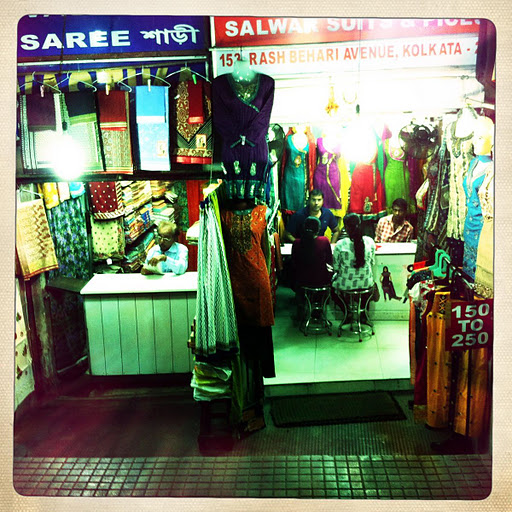
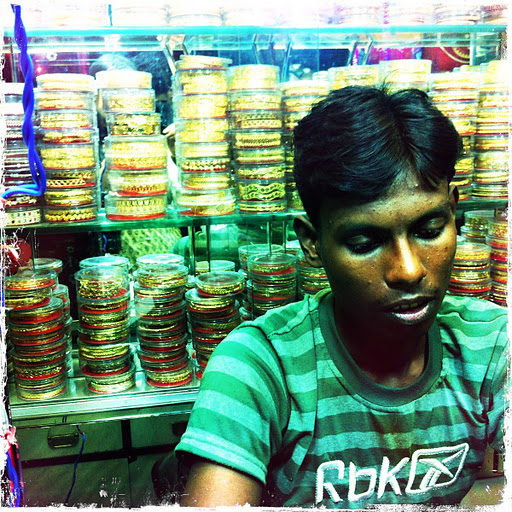
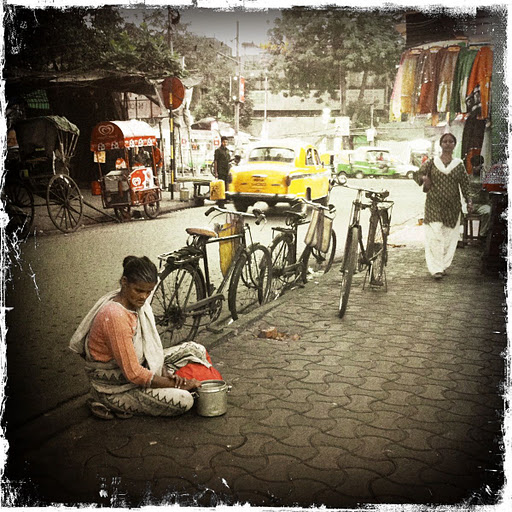
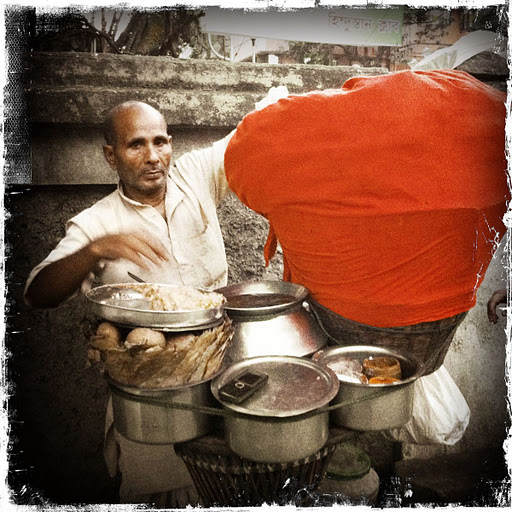
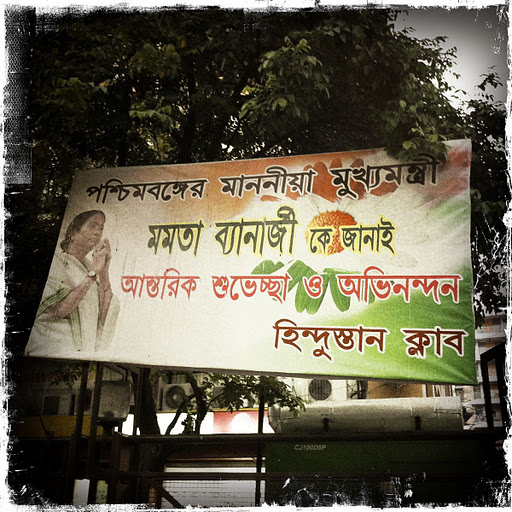
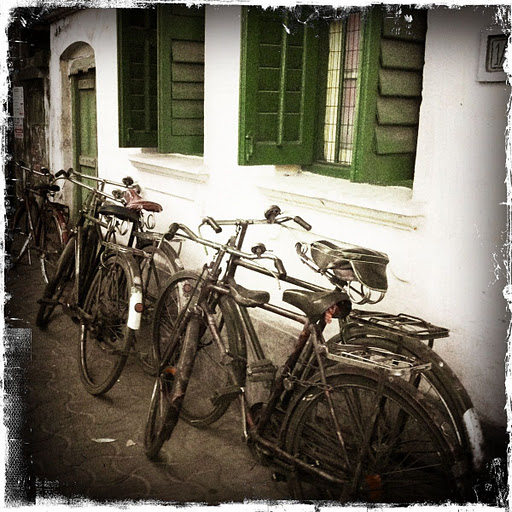
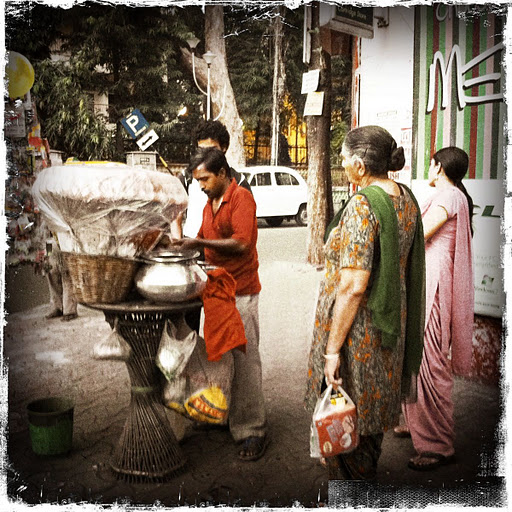
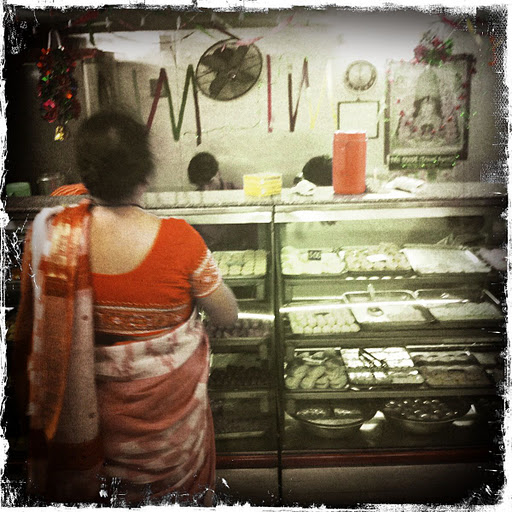
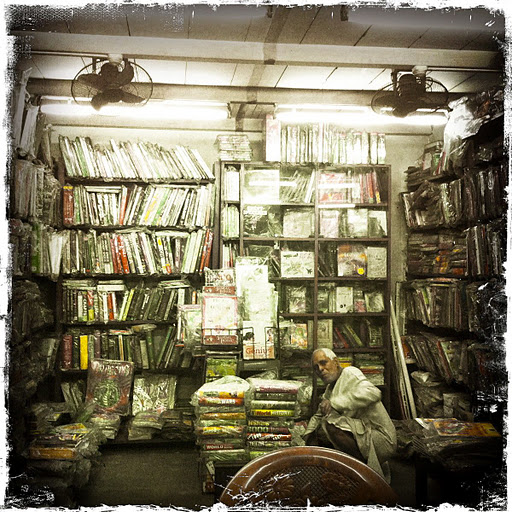
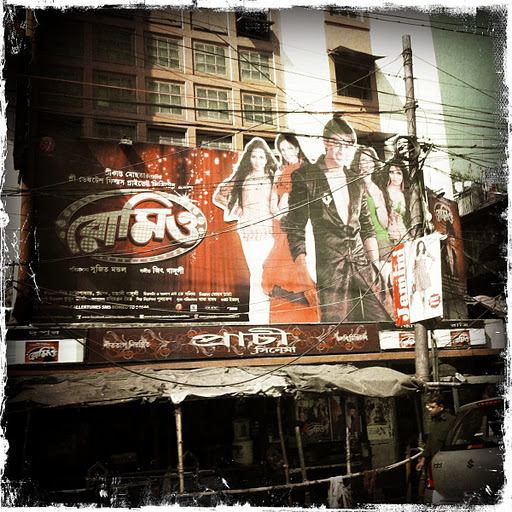
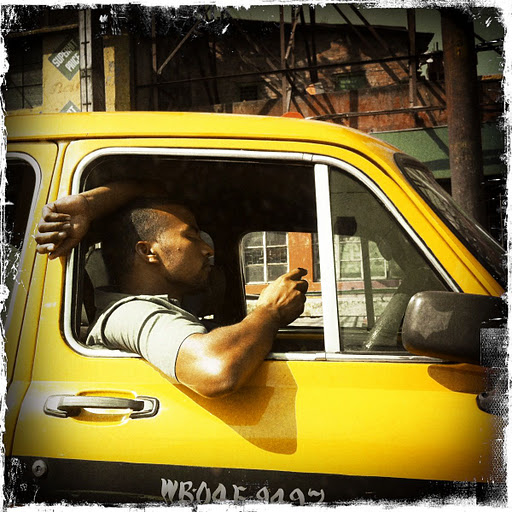
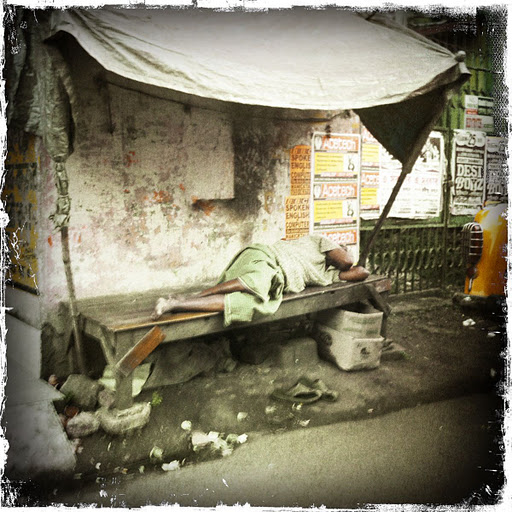
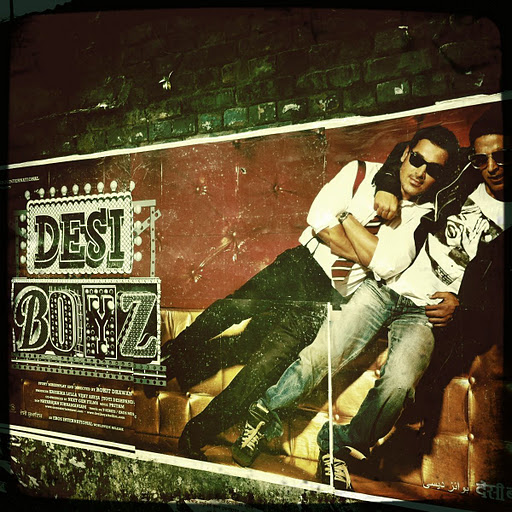
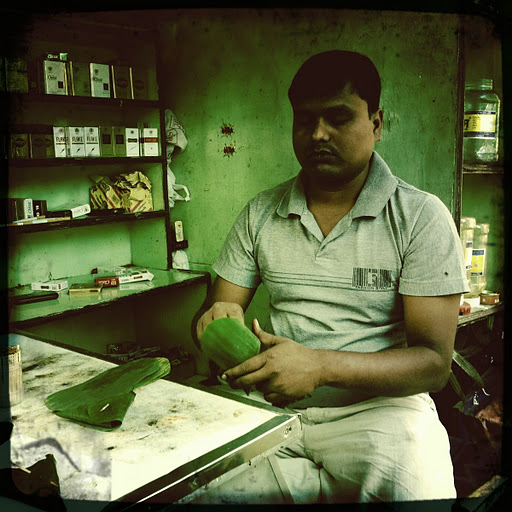
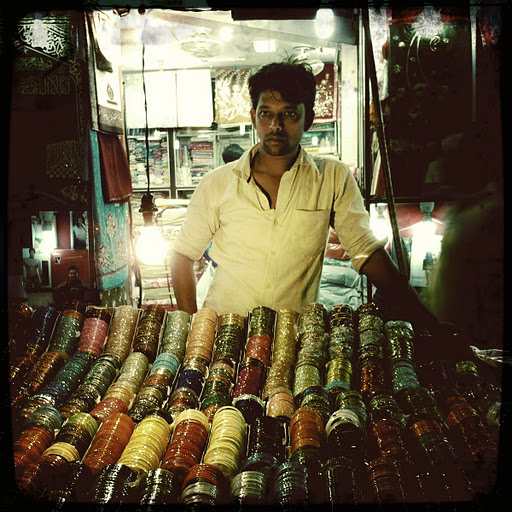
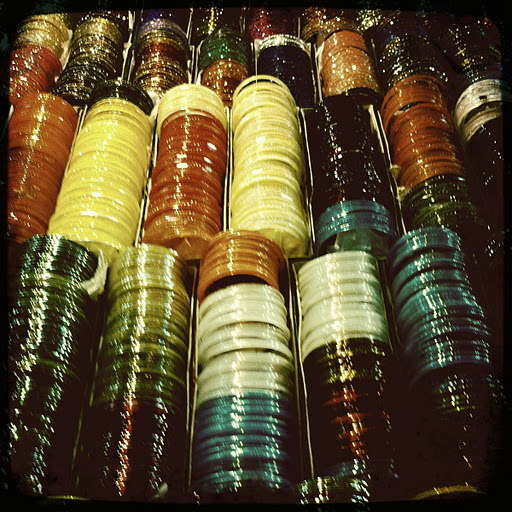
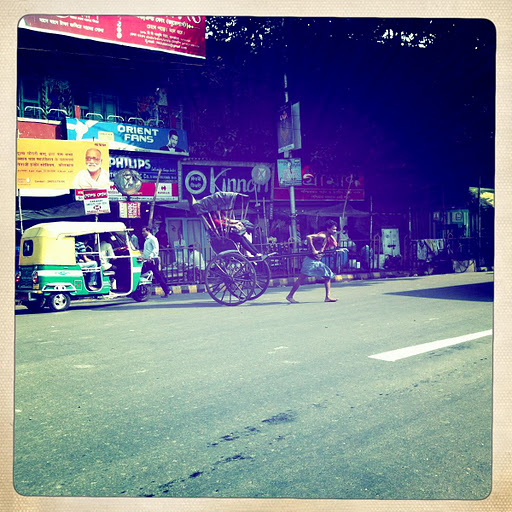
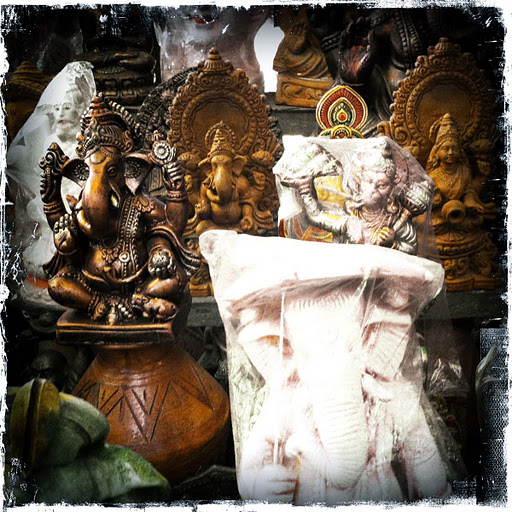
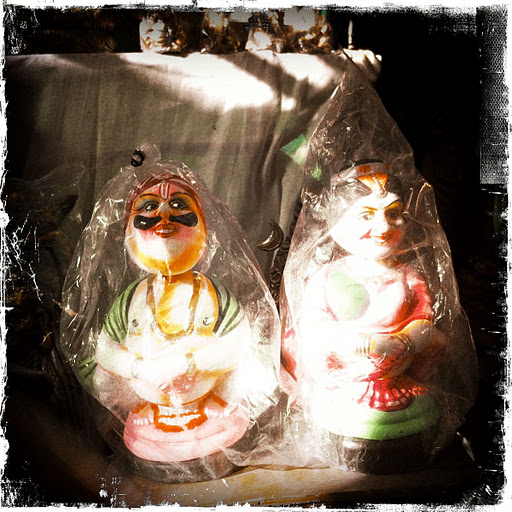
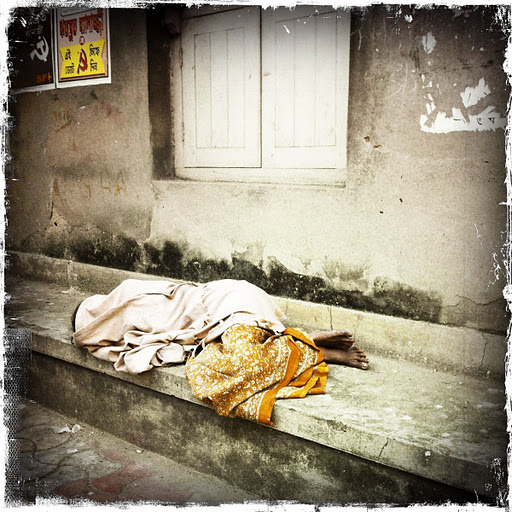
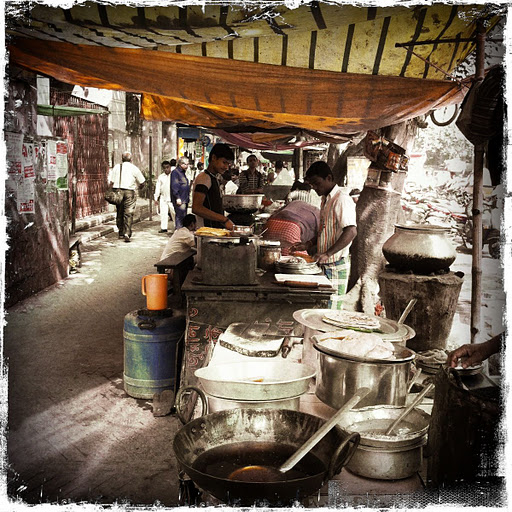
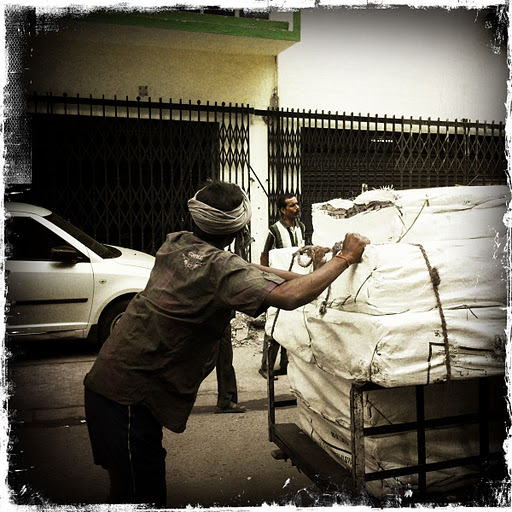
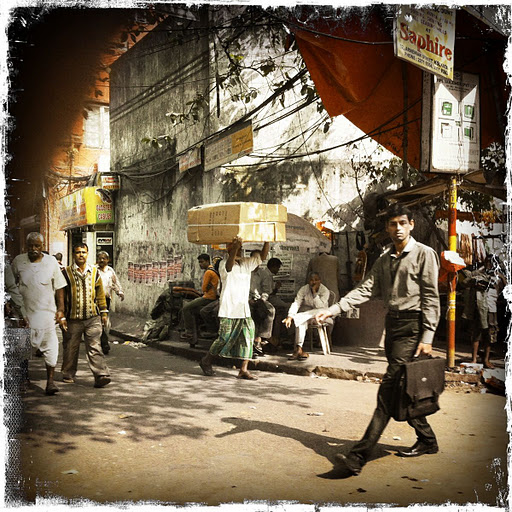
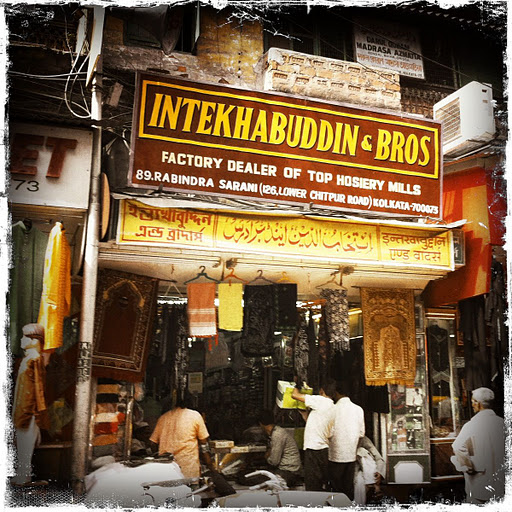
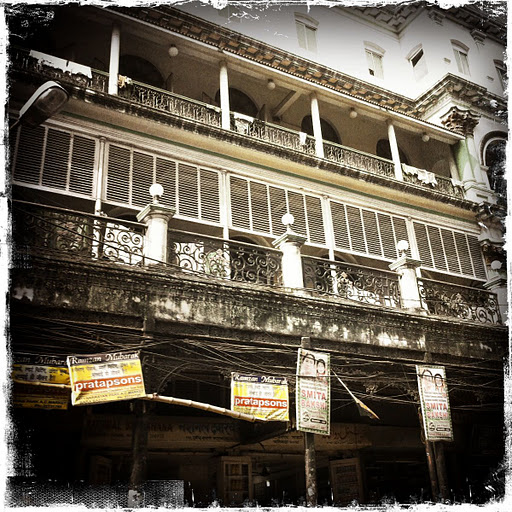
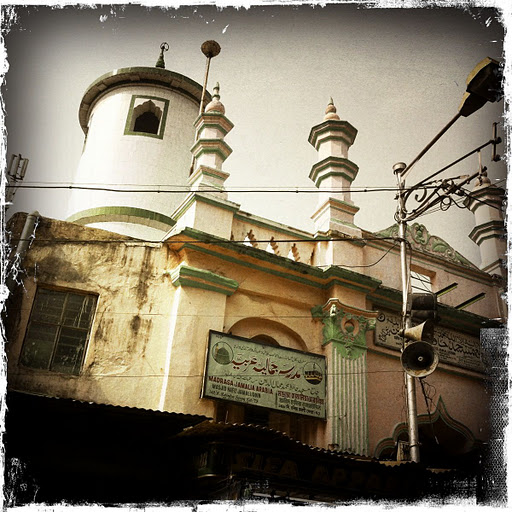
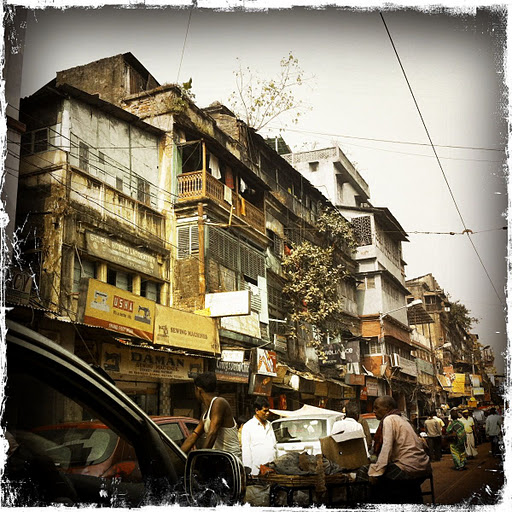
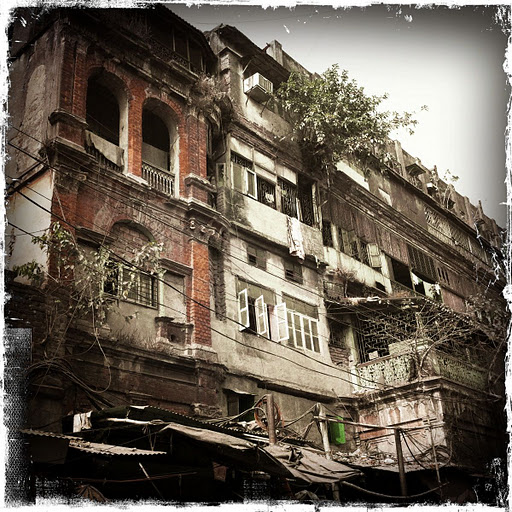
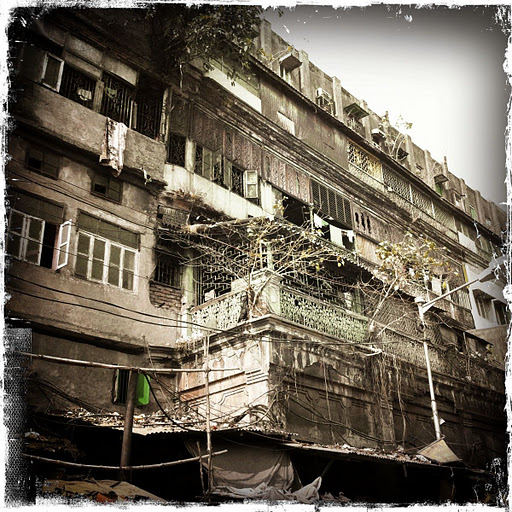
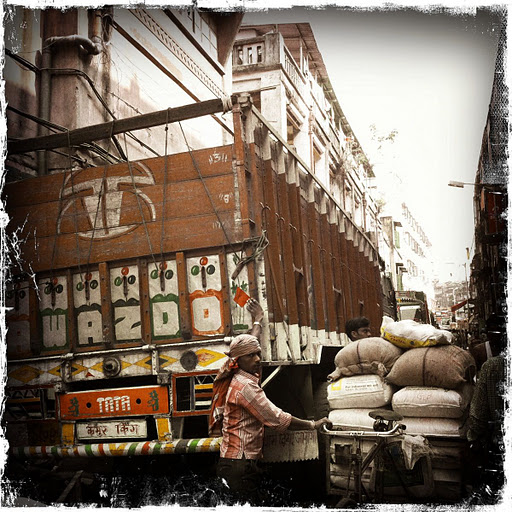
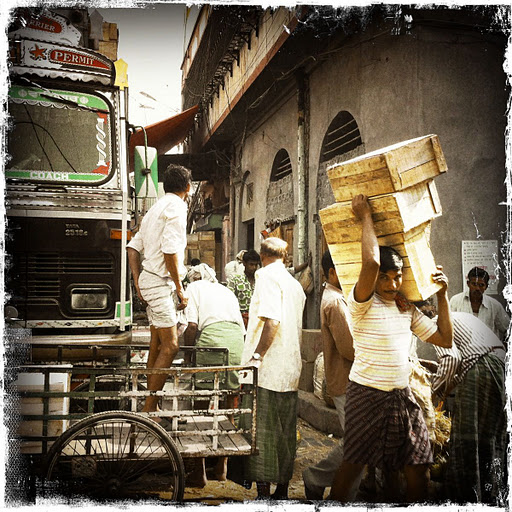
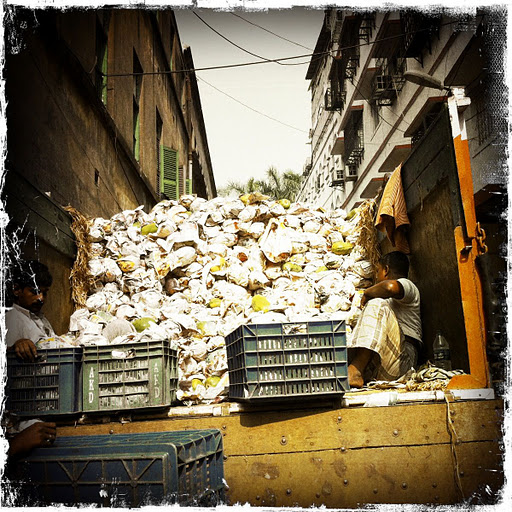
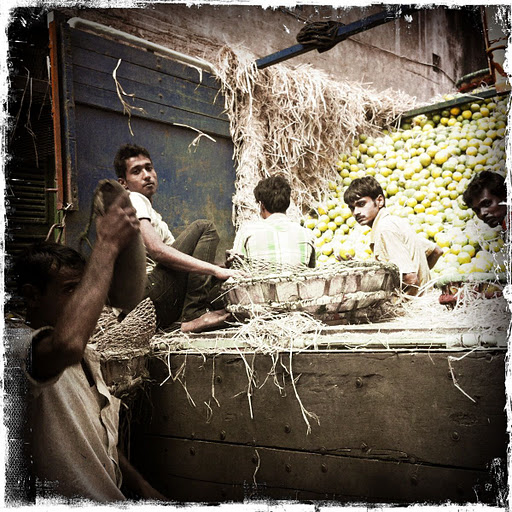
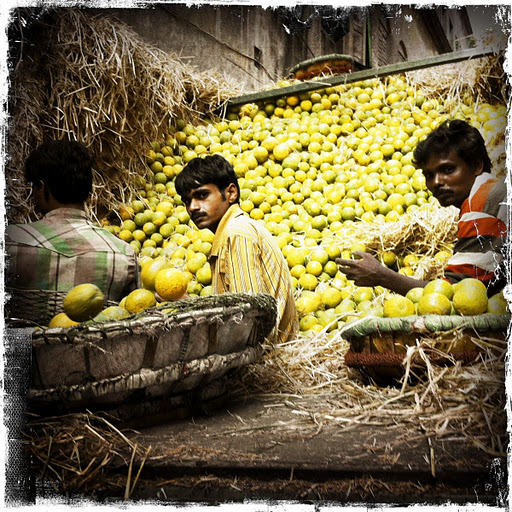
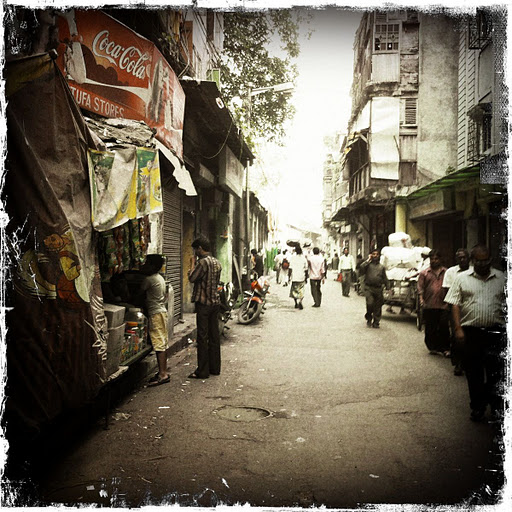
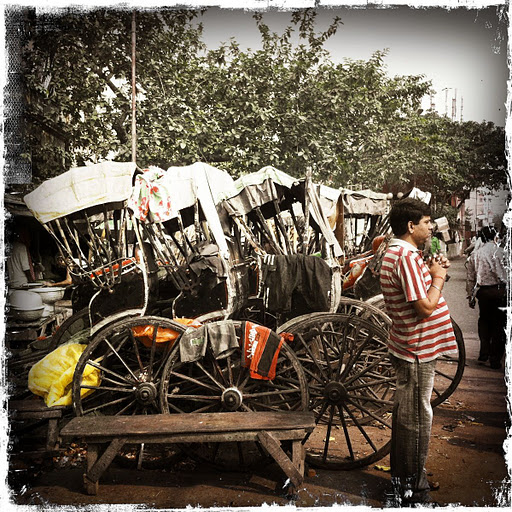
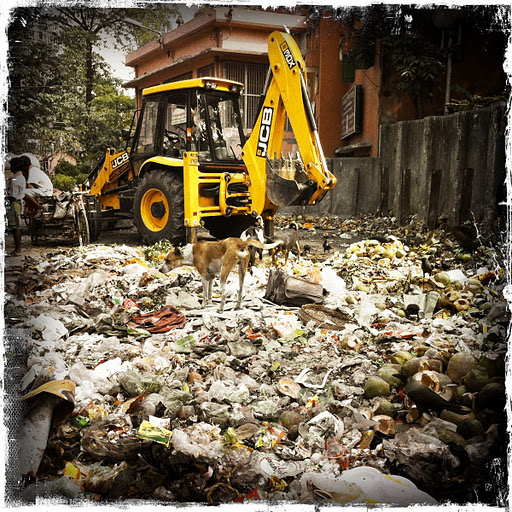
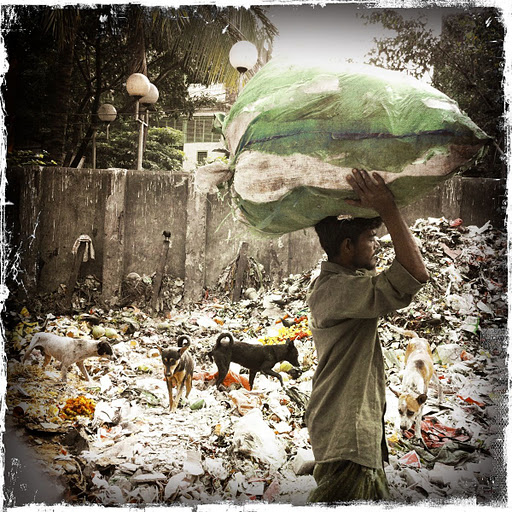
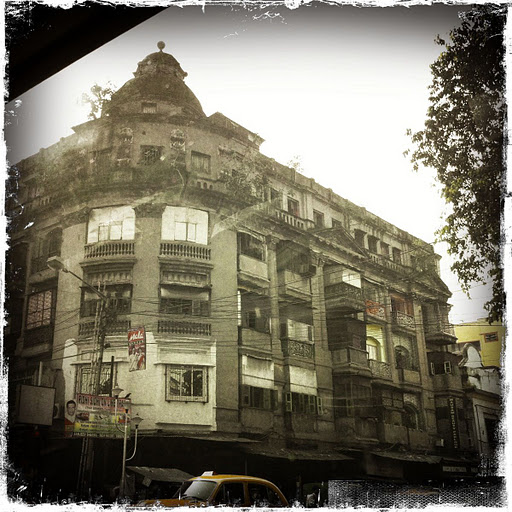
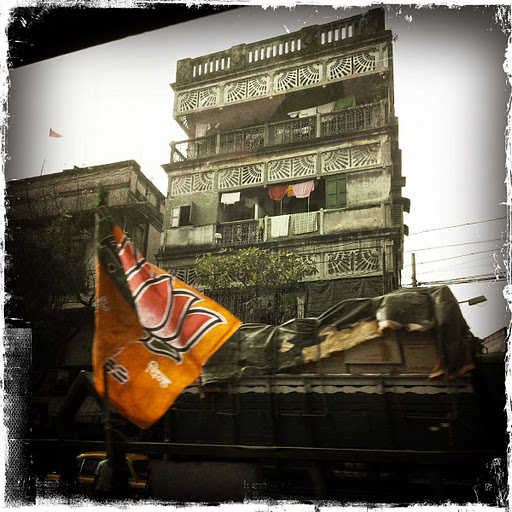
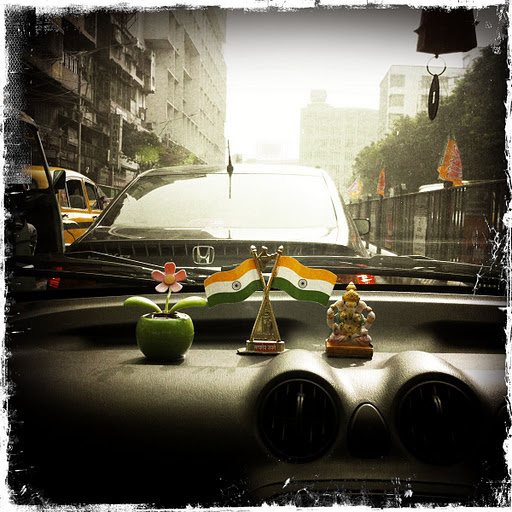
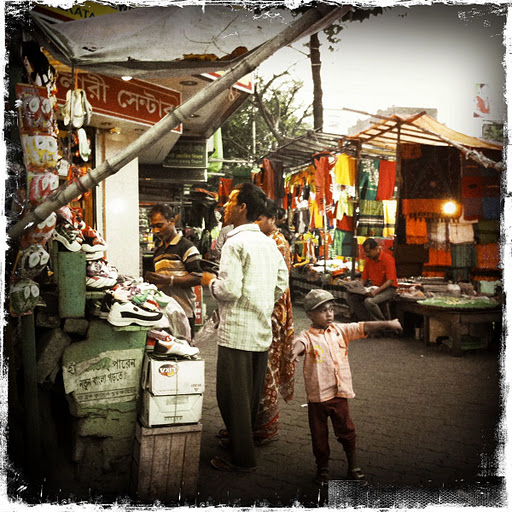
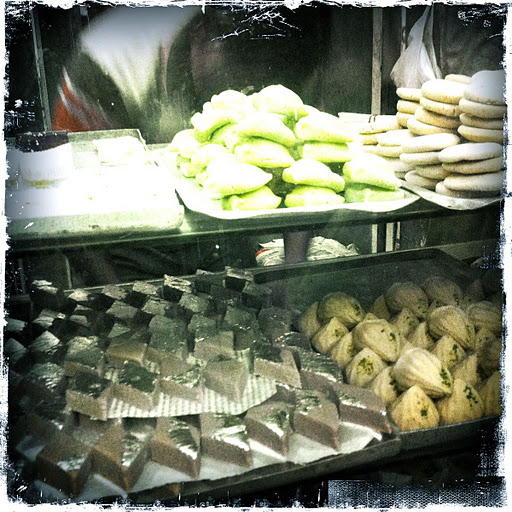
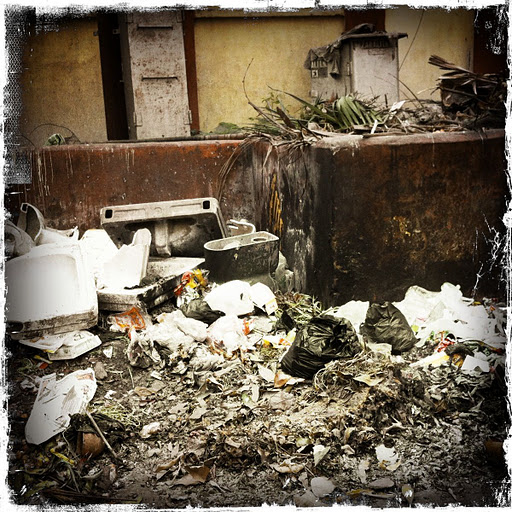
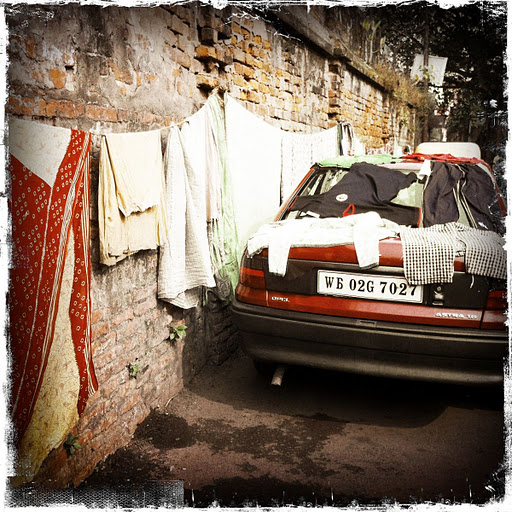
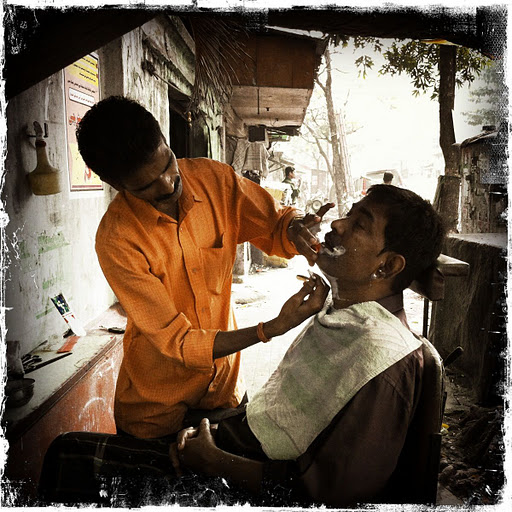
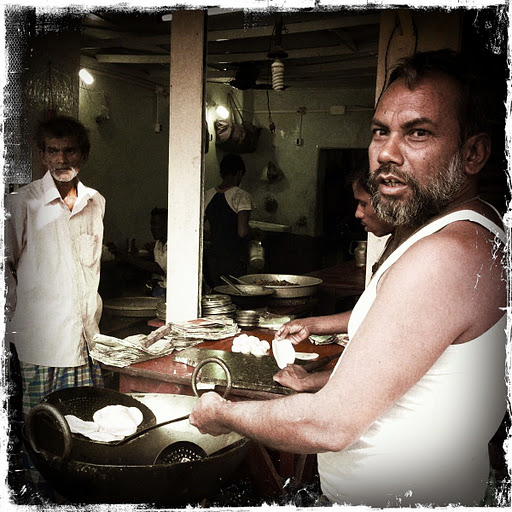
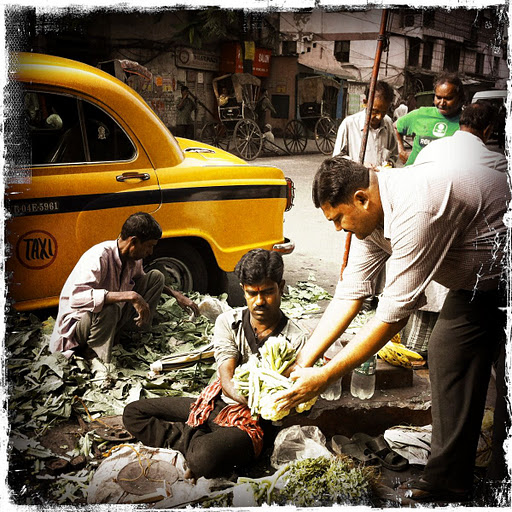
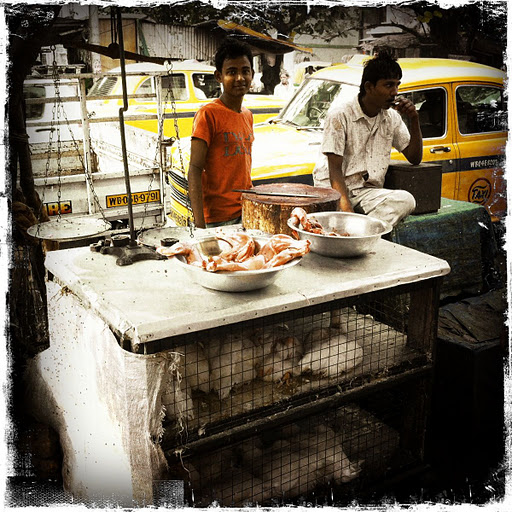
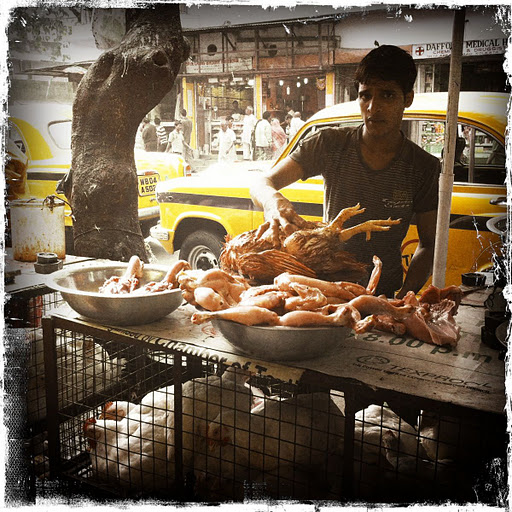
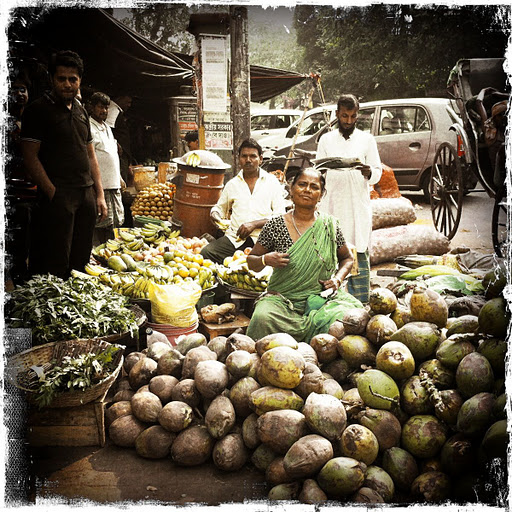
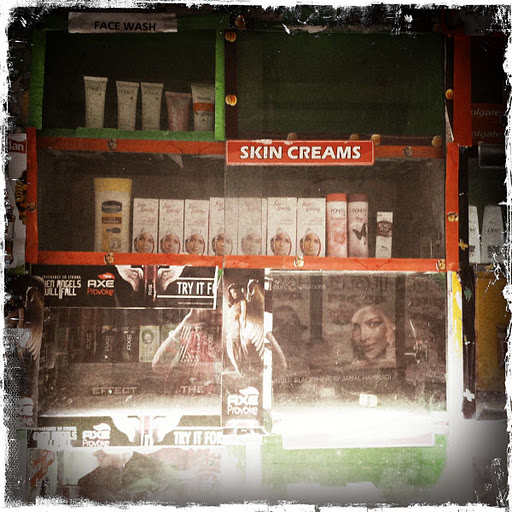
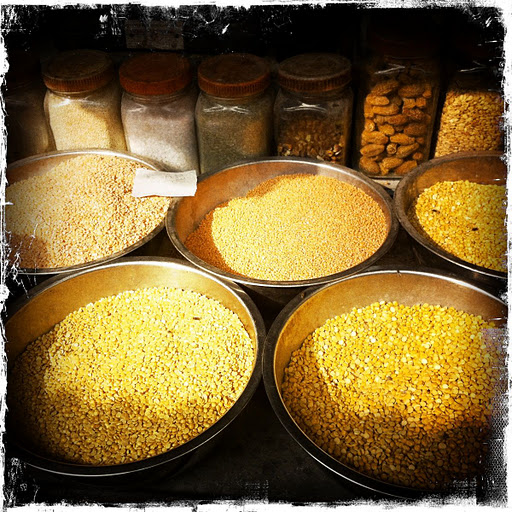
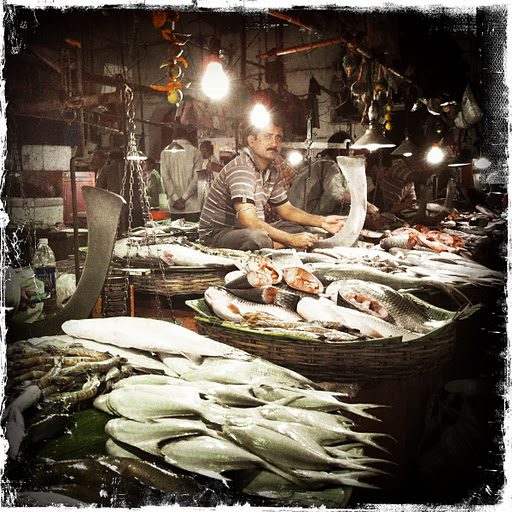
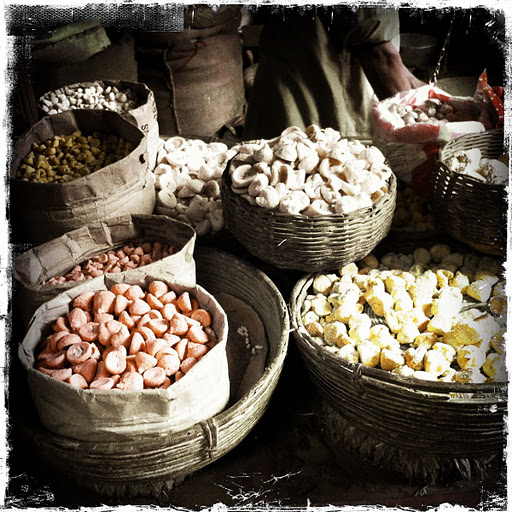
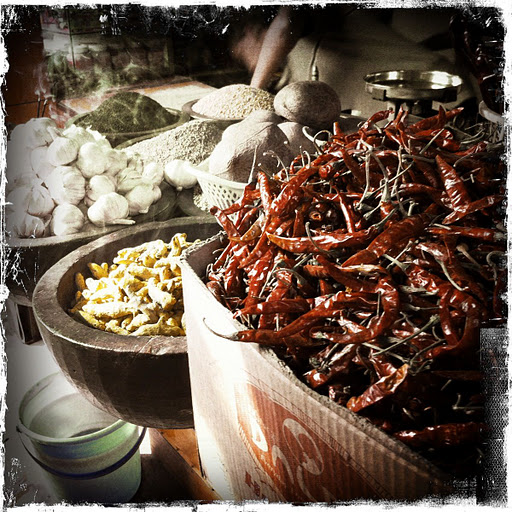
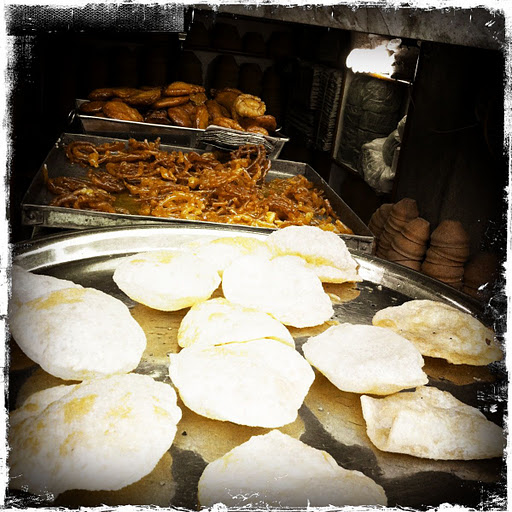
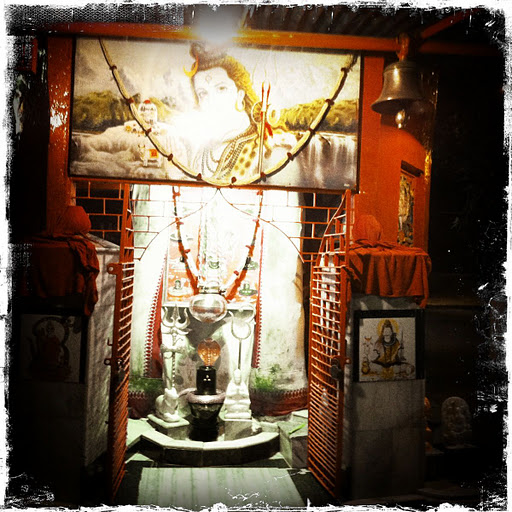
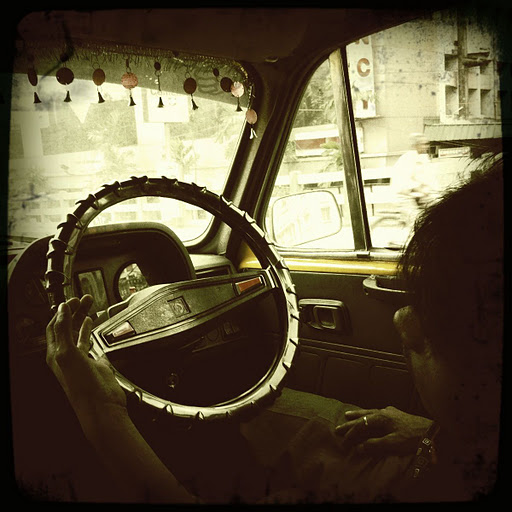
Life on the streets of Kolkata can be an assault to the senses for someone unaccustomed. For me, it’s home. The vendors, the noise, the traffic, the smells, the sounds. Everything. I snapped photos with my iPhone when I was home in November and December. Of rickshaw wallahs, sweet shops, jewelry stalls, tea vendors and grand dame buildings about to fall flat on their faces. And so much more.

I am born

To borrow from Charles Dickens:

WhetherI shall turn out to be the hero of my own life or whether that station will beheld by anyone else, these pages must show. To begin my life with the beginning ofmy life, I record that I was born (as I have been informed and believe) onthe thirteenth day of October. It was remarked that soon after my mother brought me home, a white owl appeared before her on the terrace, glistening in moonlight. 
 
It was Lakshmi Puja day, when Hindus worship the goddess of prosperity, grace, and charm. Lakshmi has a white owl by her side and the bird has come to be known as a sign of good luck. 
 
My mother was then convinced she had done the right thing.
 
By thatI mean that she had picked me up only days earlier at an orphanage in the Maniktola neighborhood of Kolkata. I had been left there, on the doorstep,hours after my birth.
 
Many people I have known in the course of my life have asked me why my natural parents abandoned me. I do not fully know the answer to that. If and when I do,perhaps I shall write more.
 
But what I do know is how lucky I was to have been left at that particular orphanage, run by American missionary Helen Benedict.
 
Mymother had just met Benedict at a luncheon at the Indo-American Society, whereshe was hoping to improve her spoken English. She told me she was attending afashion show. I never quite figured out what a missionary was doing at afashion show, but I am glad that Benedict went that day. 
 
She happened to be seated next to my mother, who lamented that she had not had success in having children. My parents had been married 10 years by then.
 
Benedict perked up.
 
A child was left on her doorstep, she told my mother. Would she like to come and look?
 
My mother went the next day with my grandmother. Many years later, I would see the gate through which she entered the day and meet the caretaker who greeted her.
 
I was only a few days old. Apparently, my mother agreed to take me home the moment she saw me. 
 
Benedict advised her that she ought to first consult my father. I suppose there was a chance that he might not have agreed — as much chance as there is of  snow falling in Kolkata.
 
He had already picked out a name. Monimala. Garland of pearls.
 
At seven days old, I was taken home. To an old house at 206 Barrackpur TrunkRoad on the campus of the Indian Statistical Institute. The banisters were wrought iron, the floors, marble. The courtyard was shaded by tall coconut palms.
 
My mother told me when I was much older that she had gone up the narrow stairs, up to the roof and seen the white owl. She felt unfiltered joy and relief, like monsoons after a searing May.
 
Many pages of my life are yet to be written.
 
But the first chapter begins with my great fortune — a child left at an orphanage who came into the home of a brilliant mathematician and his beautiful wife. That child might have grown up in slums, might not have been educated.Instead, she traveled the world and grew up to write about it.
I tell you this story on my 49th birthday.
 
Many people still ask me about my natural mother and father. But I tell them I had only one set of parents. They are long gone now but they gave me a life for which I will be eternally grateful. Yes, I an adopted child. Their blood does not run through my veins. 
 
But I have something much more potent — their love.

Balaka


It’s done.

The flat in the building called Balaka (which means swan in Bengali) at 68 B Ballygunj Circular Road is no longer my home. After nine-and-a half years of caring for it from across the globe, I completed the final act of an arduous sales process in Kolkata.

I’ve posted a photo taken out front this week. With me are Kalu and Bimal, two men who have done menial jobs at the building for most of the years my parents lived there.

In that flat, simple and not so large by American standards, I laughed, loved and lost. It was home for so many years.

It was there that my mother regained her verve for life after a massive stroke nearly took her life in 1982. She gained freedom in her small way, learning to wheel herself around the rooms and hallways with ease, poking her head into the kitchen and instructing the housekeeper how to make perfect Bengali fish curry.

Some evenings, she arranged for musicians to come to the flat. We’d sit on rugs on the floor and sing the songs of Tagore. My mother’s voice was gone when she was left half paralyzed, but she belted it out anyway. I sometimes caught her eyes watering. She lamented little after the stroke but I knew she yearned to play again the harmonium and sing the songs she loved most.

In the morning, after she had her third round of Darjeeling tea, she picked up the phone and called our relatives and friends to learn news of their lives. My mother was the glue that held our family together. When she died, I stopped knowing details about my aunts and uncles, cousins and friends.

It was there in that flat that my father sat at the dining room table for hours pruning his bansai plants. He filled the verandahs with greenery. The dahlias bloomed with fierce, spreading hues of reds, pinks and oranges across the view.

Or he sat with his magnifying glass struggling to read newspapers when the macular degeneration in his eyes began to blur his world. He often worked out his mathematical and statistical theories in his head, his hands moving in the air as though there was a chalkboard before him. He had made a name for himself in probability theory. Later in life, when Alzheimer’s began winning the battle, my father could not add two plus two.

Everything changed today when I signed over the final documents to the man who purchased our flat earlier this year. I waited in the West Bengal registration office for a long time, sandwiched between a zillion people in a British-era building now filled with cobwebs and dust.

My friend Vijay (on the right in the registration office photo) made it all happen for us. Without him, my brother and I might have still be mired in West Bengal bureaucracy. I really don’t know how to ever thank him.

But for a moment, after I signed the final document, I felt as though I had wronged my parents somehow. As though I had given away the place where they had found solace. I asked the new owner if I could take the brass nameplate on the door that carried my father’s name. (photo)

Then I descended down the long British Raj era staircase, its terrazo warped by footsteps from many decades. I turned back only once. And left with my memories, brilliant like diamonds.