Killed in the name of honor


“All citizens are equal before law and are entitled to equal protection of law. There shall be no discrimination on the basis of sex alone.”


That’s what Pakistan’s constitution says. But the plight of women in Pakistan today is grim.  Last year almost a thousand women were murdered in honor killings, according to the Pakistan Human Rights Commission. The real number is feared to be much higher — many such killings are covered up by families.


Of the 943 cases documented by the commission’s staff, 93 were girls. 


Here’s why these women and girls were killed by husbands, brothers, fathers. They were accused of illicit relations or they voiced a desire to marry a man of their own choice.


Before being killed, at least 19 women were raped, 12 of them gang-raped.


They were shot, bludgeoned and even strangled to death. 

Only 20 of these women and girls were provided any medical aid before they died.


This is now. In Pakistan.


I don’t know the statistics for my native India or neighboring Afghanistan. But all three of these South Asian nations top the list for the worst countries in which to be a woman.


I was horrified to read the Pakistan report today. It probably won’t get much attention in the Western media. So I write this and ask you to think about how these women and girls lost their lives all in the name of saving a family’s honor.


Could there be anything more dishonorable?

Nine years

The United States invaded Iraq nine years ago. On this anniversary, more violence.


A string of deadly car bombings rocked Iraq Tuesday. Forty-three people died; 206 others were injured. The dead included a pregnant woman in Fallujah when bombs exploded around a house belonging to a police officer.


Authorities blamed al Qaeda in Iraq, though no one claimed responsibility. The attacks came a week before an Arab League summit in Baghdad, the first such high-level diplomatic meeting since the United States made its exit in December.


Six years ago, on the third anniversary of the war, I was in Baghdad with a Georgia brigade about to return home after a grueling yearlong tour. They had seen the worst of the fighting and constantly wondered what they had accomplished. At night, they said, they lay in their cots and tried to think of tangible ways they had made a difference. Often, they came up empty.


That was the frustration of American soldiers who could not distinguish battle lines nor chalk up clear victories in their war.


The Iraqis I knew kept asking when it would get better. Why was the greatest nation on earth unable to provide basic security for Iraqis? Why did they invade if they could not make things better? 


By 2006, the frustrations had set in so deep that I even heard some Iraqis say they longed for the days of Saddam Hussein. At least they could send their children to school without worrying about a bomb exploding under their feet.


Now, it has been nine years. The bombings have not stopped.


Levels of violence are certainly down from the height of the near civil war following the 2003 invasion. But the dominance of the Shiites has left minority Sunnis feeling threatened and weak — and ripe for recruitment by terrorist groups.


The United States succeeded in regime change in Iraq but today I am not sure what the future looks like. The last American soldiers crossed the border into Kuwait last December, leaving behind them a nation in flux. There is still no formal government and plenty of ethnic tension. There is still no peace and an omnipresent threat of all-out civil war erupting.


Today, I think of the Iraqi people and wish them prosperity and peace. I also think of all the American men and women who served in uniform. I hope their efforts will not be in vain.

The little master makes history

A legend? An icon? 


In India, he is God.


And on Friday, God made India very proud. Even the prime minister said so.


The nation of 1 billion-plus erupted in celebration as cricketer Sachin Tendulkar scored his 100th international century.


Never mind the unveiling of the budget Friday. It was all Sachin on Indian television. 


Never mind it was a workday. Companies probably suffered huge losses.


Twitter exploded with kudos for the batsmen known as the little master. As did Facebook. And Bollywood.


“God’s special creation .. Sachin Tendulkar !!” tweeted megastar Amitabh Bachchan.

Journalist Barkha Dutt weighed in with this:

“Nice to see a nation steeped in negativity and self flagellation finally breaking free from it all and actually feeling good. Thanks 
Tendulkar reached the elusive 100th international century against Bangladesh in an Asia Cup match in Dhaka.

“It hasn`t sunk in but I have definitely lost about 50kg,” he said afterward. 

He began playing at the age of 16 and thrilled cricket fans for 23 years. That in itself was a feat. His first century was at Old Trafford in 1990. Last year he reached 99 and Indians watched each subsequent match with high hopes. They pinned everything on the man with the demure stature, mop of wavy hair and uncanny swing of the bat. 

They waited and waited. There was even a joke about the a chunk of India’s car accidents happening because  drivers were trying to catch a Tendulkar make his 100th on a roadside stall television.

But today, Tendulkar made history. 


As my Facebook friend Rajiv Chatterjee said:


“I know his stats look great and I know he has achieved feats which will probably never be repeated again. But that is not the real reason. The real reason is that he has shouldered the dreams of a billion for 22 years which is more than what any mere mortal can. In a country where a lot of people cannot afford a square meal a day, he has represented hope of better times. Every time we had a lot of reasons to cry, he has given us something to smile about. Religion in India has more often than not divided people than unifying it. But one thing has always been common … both Ram’s mother as well as Rahim’s wanted their sons to be exactly like Sachin Tendulkar. Years later, I will really look forward to telling my grand children that yes, I have seen God with my own eyes…he used to bat at no. 4 for India!”

Homs Rules

Bashar al-Assad and his father, Hafez.

On this day in 1971, Hafez Assad became president of Syria. More than 30 years later, the world is witnessing tragedy unfold in Syria at the hands of Assad’s son. 


Bashar al-Assad, whom many had believed would bring reform to Syria, is turning out to be made of the stuff of his father.


Journalists like Tom Friedman and Robert Fisk saw firsthand the carnage the elder Assad was responsible for in Hama, where a 1982 Muslim Brotherhood-rebellion was quashed by shelling entire neighborhoods. 


Now, Bashar al-Assad’s forces are targeting cities like Homs and Idlib, where Syrians have risen up in mass against tyranny.


In 1982, there were no instant images posted on Twitter and YouTube, no clandestine interviews conducted on mobile phones or Skype. Friedman journeyed to Hama after the massacre and gave this account:


“It was stunning. Whole swaths of buildings had, indeed, been destroyed and then professionally steamrolled into parking lots the size of football fields. If you kicked the ground, you’d come up with scraps of clothing, a tattered book, a shoe.”


Later he wrote a book and gave the massacre a name: “Hama Rules.” That is, there were no rules at all. Hafez Assad plunged to new lows to retain power.


Amnesty International said as many as 20,000 Syrians were killed in Hama. I wonder how high the death toll will rise in the current conflict. When will it end? How long will Bashar al-Assad keep killing his own people?


I wish I were able to be there, to bear witness to acts that should not be happening in 2012. I do my best to tell the story on CNN.com with the reporting of brave network correspondents, producers and cameramen. But I fear we are dealing with “Homs Rules.” A different time, different people but a son that seems just as determined to crush his opponents as was his father.

Iran’s first Oscar

Perhaps I should have gone to see “The Artist” Saturday night. After all, it won the Oscar for best picture last night. But I saw “A Separation” instead.

It was an incredibly well-acted film dealing with a broken marriage that weaves trouble through the lives of ordinary people. It is about class divisions, family relationships, the power of religion and hope in every heart for a better life.

Only this film is Iranian. Set in Tehran, Westerners got a rare glimpse into the living rooms of Iranians dealing with the same kinds of problems we find at home, save the far-reaching tentacles of the Islamic regime.

Iranians stayed up late to watch the Oscars on illegal satellite feeds, enormously proud of the first Iranian film to win an Oscar (best foreign language film).

The timing could not have been better, I thought, as director Asghar Farhadi held up his golden statue. “At a time when talk of war, intimidation and aggression is exchanged between politicians, the name of their country, Iran, is spoken here through her glorious culture, a rich and ancient culture that has been hidden under the heavy dust of politics,” he said.

I read this morning that even Israelis were flocking to see “A Separation.” Iranians are their arch-enemies and bellicose talk of late has led to speculation that Israel may launch a pre-emptive strike against Iran to stop its nuclear progress.

But ultimately, Israelis saw in the movie Iranians who were just like themselves. That spoke volumes for the universality of “A Separation.” People everywhere ultimately cope with the same problems — the ones that make us not American or Israeli or Iranian, but the ones that make us human.

“A Separation” is not always easy to watch. It was especially hard for me to look at the scenes of a man stricken with Alzheimer’s. I could see my own Baba.

But if you have not seen this movie, go soon to a theater near you. Ayatollahs and nuclear bombs aside, Iran has delivered a rare gem.

“A Separation” supplies no answers and is subtitled: “The Truth Divides.” But Iran is a country that remains largely unknown to Americans. Farhadi’s film, I believe, takes a few of the veils off.

Journalism and courage

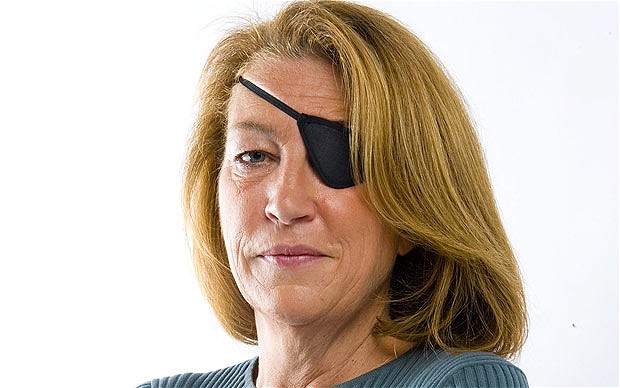
Marie Colvin lost an eye in Sri Lanka.
She was killed in Syria.

Today, journalists are mourning the deaths of two of their own.Marie Colvin of London’sSunday Times and French journalist Remi Olchik were killed Wednesday in thebesieged Syrian city of Homs.


Their deaths came a few days after we learnedNew York Times reporter Anthony Shadid died of an asthma attack, also in Syria.

Remi Olchlik was also killed in Homs.


They were courageous. Brave in the actionsthey took and even braver in what they told the world about atrocities andinjurites they witnessed firsthand.

They are worthy of headlines and deserving of tribute.

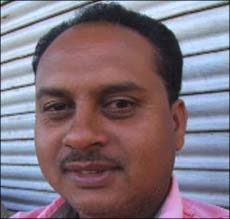
Chandrika Rai and his family were
 bludgeoned to death in India.

So are journalists of lesser name who put their lives on the lineevery day reporting from their own countries.

The Committee to Protect Journalists reported this week thatIndian journalist Chandrika Rai , his wife and two teenage children werebludgeoned to death in their home in Umaria in the state of Madhya Pradesh.Rai, 42, worked for Hindi-language dailies and was investigating illegal coalmining in Umaria.

The committee quoted Shalabh Bhadoria, president of a MadhyaPradesh press freedoms group, who said that Rai’s death could be connected tothe kidnapping of a local official’s son. Rai apparently, had contradicted agovernment official’s claim that the two kidnapping suspects were not guilty.

The committee has asked for an investigation. Local journalistswore black arm bands this week in remembrance.

We hearof cases like Chandrika’s all too often. Journalists who go missing. Or are founddecapitated. 

Theytake enormous risks to tell the story. And unlike foreign journalists, localreporters do not have the luxury of “getting out” after they get thestory. They must remain in their communities and be ready to suffer theconsequences.

Kudos tomy colleagues across the world who take such risks every day of their lives.They are committed and passionate about what they do. On this awful day oftragedy, I salute them all.

Indianjournalist Barkha Dutt said on Twitter said this morning:  “For all those who sit at their computers& pass easy judgment Marie Colvins death in Syria grim reminder of courageneeded to go out there”

I secondthat thought.

A new Guiness record!

Thomas Oliver and Melissa Turner
were part of the record-setting crowd.

I just read that the Tybee Island polar bear plunge on New Year’s Day officially broke a Guinness World Record.


“Guinness World Record now credits the Jan. 1 event as the largest ever gathering of people wearing swim caps,” reported the Savannah Morning News. “In all, 2,049 New Year’s beach-goers sported caps for the event, which also served as a fundraiser for the Tybee Post Theater — whom Guinness lists as the official record holder.”


Congratulations to my friends Thomas Oliver, Melissa Turner and Jill Vejnoska for taking the plunge that day and sporting their swim caps.


I am thrilled I was on hand to witness such a historic event.


Kaka

Kaka, standing on the balcony of the house
in New Alipur in the 1950s.

When I was a little girl, we lived in a house my grandfatherbuilt. It was common then for sons to remain in the house with their parentseven after they were married and had children. It was an extended family systemthat is dying out fast now in urban India.
I grew up rich with memories of relatives, close anddistant. I was privy to my father’s family history, told in most vivid detailby my uncle, Samir Kumar Basu. I always knew him as Kaka, the Bengali moniker for a father’s younger brother.
Kaka was only a year and half younger than Baba. The twowere extremely close growing up in Dhaka, Bangladesh, united perhaps in theireye problems that took root at a very early age. Both had macular degeneration.Both wore glasses so thick that I substituted them for magnifiers to look atflower parts for biology class.
Kaka lived on the third floor of my grandfather’s house inNew Alipur, then a fairly new development in Kolkata. He was a brilliant manand soon rose to the top of the companies where he worked. Eventually, hebecame director of Chloride India.
We ate breakfast together every morning. I sat with my roti,potatoes and cauliflower. He, with his half-boiled egg on a porcelain Englishstand and two pieces of white toast with butter.
Playing chess with my father in Florida, late 1970s

Afterwards, I climbed into the back of his Ambassador for alift to Gokhale Memorial, the school I attended  in those days. On the way, we would talk about everything.It must have been irritating for him to have a five-year-old chatterbox gononstop before a hard days work was about to begin. 
“Boddo kotha bolish,” he would say sometimes. You talk toomuch.
In the evenings, after homework, after an evening bath, Iwaited anxiously for my Baba and Kaka to return home. Both had a habit ofpacing from verandah to verandah. Kaka would whistle popular Rabindrasangeet. Itried to imitate him. How was he able to get tunes out with such precision?
We sat down to dinner together and Kaka always made sure togrill me on what I had learned that day. He’d quiz me with a geographyquestion. And when I wandered off point, he’d tell me I was talking too muchagain.
Kaka and me at a family wedding, 2009

In later years, Kaka moved out into a posh company flat. Iwanted to go spend days there not just because of the air-conditioning but tomonopolize Kaka’s time.

He never married or had children. Over the years, he grewaccustomed to life alone, though he was always generous to open up his home forothers. After my parents died in 2001, I often stayed in one of Kaka’s guestrooms.
Evening conversations were never dull with Kaka. We arguedsometimes but he always treated me with respect; asked me about things inAmerica that he did not know well. He was one of the few members of my familywho took a keen interest in my journalism. Even introduced me to his friends totalk about the Iraq war.
Kaka at Calcutta Club.

He especially liked to gab with his peers at Calcutta Club,a social club that was started in 1907 when Indians were not allowed into thewhites-only Bengal Club. Later in life, when Kaka became frail and his eyesfailed him completely, he held onto his trek to the club as salvation from loneliness.He left exactly at a certain time and was rarely late coming home. He nappedfor three hours, limited his cocktail hour before dinner and ate with extremediscipline. I admired that about him. How he kept to routine. How he neverindulged.
The last time I saw Kaka was in early December. I had stayedwith him for almost two weeks during a visit home. He liked to listen toBengali songs on my iPod. The noise-cancelling headphones, he said, made itfeel as though he were in a concert hall. He marveled at the technology thathis poor eyesight prevented him from enjoying.
Some nights, we watched Bengali soap operas on television.He listened intently to the dialog and when the screen was silent, I describedfor him what was unfolding.  Ithought it was grossly unfair that a man who lived by himself should not havethe benefit of sight – without being able to read or enjoy television.
But Kaka never felt sorry for himself or allowed pity. Iwill always think of him as the most fiercely independent person in my family.
Several years ago, the night of my departure from Kolkata,Kaka sat me down at his dining table. 
“Wait,” he said, shuffling off to his bedroom, counting hissteps as he always did and feeling his way to his closet.
He returned a few minutes later with an old jewelry box. Ithad once been a rich blue velvet. Now it was worn, the cardboard peekingthrough.
“Toke ar ki debo?” he said. What else can I give you?
I took that to mean that he thought I had all that I needed.True. Or that I wasn’t one for ornate ornaments that most Bengali women ogle.Also true.
He began telling me a tale of a trip he made to Hyderabad,years before my birth. The southern Indian city is famous for two things:Biryani, the Mughlai rice dish, and fresh water pearls, he said.
My cousin Sudip took all of us out to eat in 2005.
Kaka loved food and enjoyed it throughly.

“I bought this in Hyderabad. It’s not biryani,” he laughed.

A string of iridescent pearls glowed under the light of hischandelier.
“Kaka,” I said. “You don’t have to give me these.”
I wondered why he had bought them. Had they been meant for someone?Or had he just picked them up because it was the thing to do in Hyderabad?
“It’s a very small thing,” he said. “Wear them and think ofme.”
Last November, he’d called me in Atlanta to ask that I bringhim good Belgian chocolates. He loved the taste of cocoa on his tongue justbefore he went to sleep every night.
Kaka at a wedding in 2009. 

My aunt, Pishi, told me that Monday night, Kaka had askedfor chocolate. She took that to mean that he was recovering from a recent boutof illness. But Wednesday, he was gone.

He died in his sleep, peacefully.
In 2010, when I visited Kaka, I had recorded some of ourconversations. Kaka loved to tell me stories about my father’s childhood. I hadplanned to finish those conversations. Ask him questions about a time with few records, save a few old black and white photographs. Kaka was awonderful storyteller and now an important part of my family’s oral history hasbeen silenced.
He was the eldest living of my father’s siblings. Manythought him as the family anchor. I simply thought of him as Kaka, the man whobecame my father after my own died, the man who stood by me always.
I will miss you terribly.

Kolkata Hipstamatic

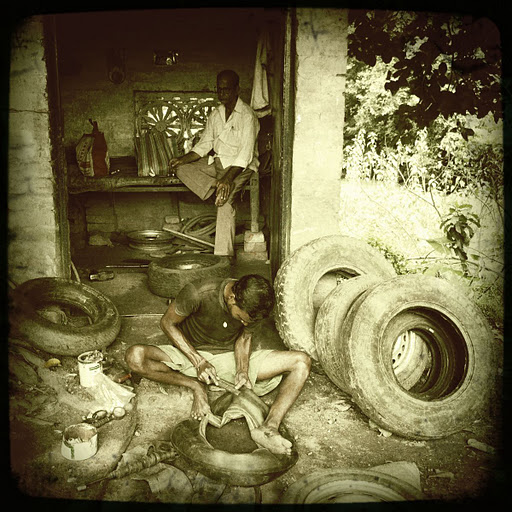
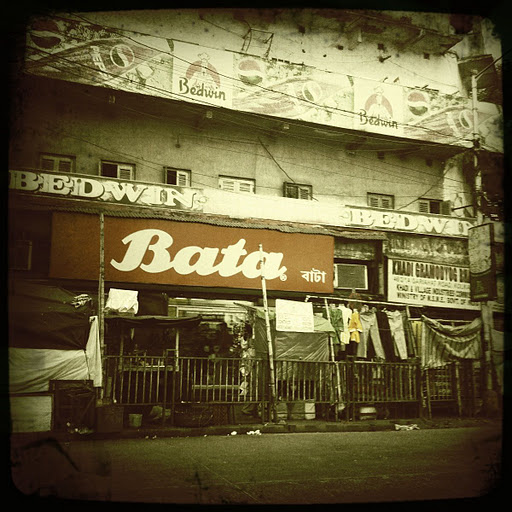
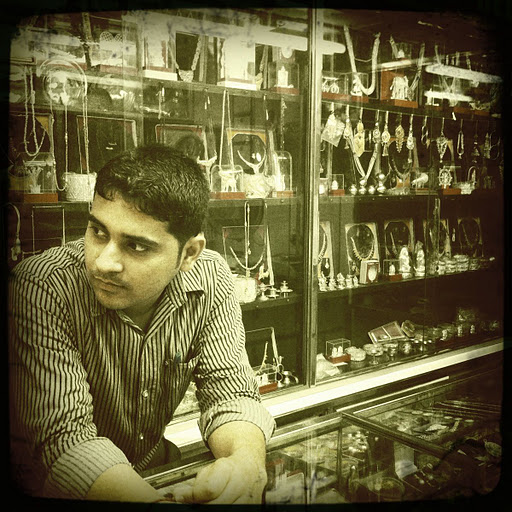
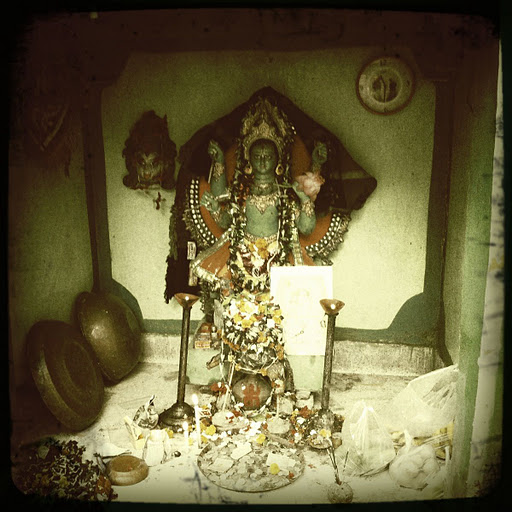
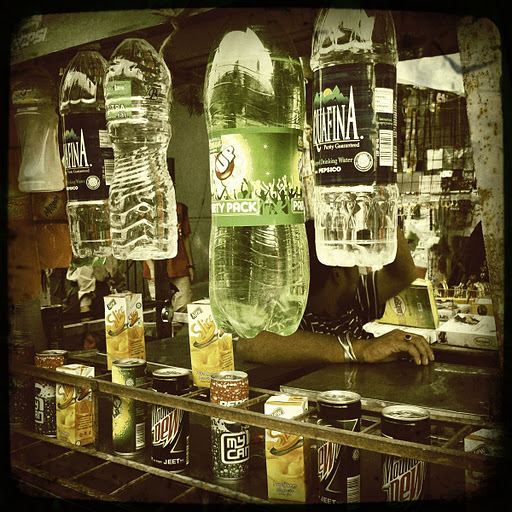
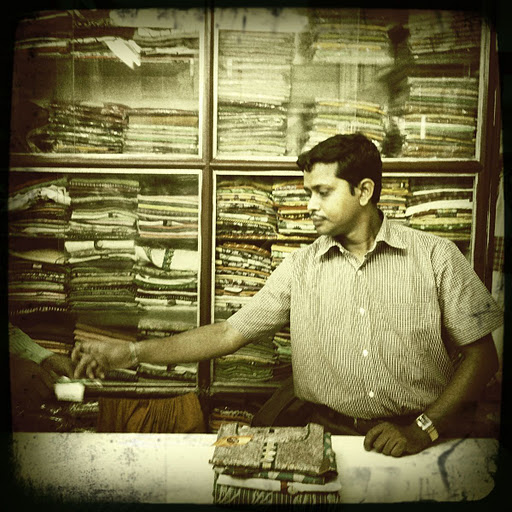
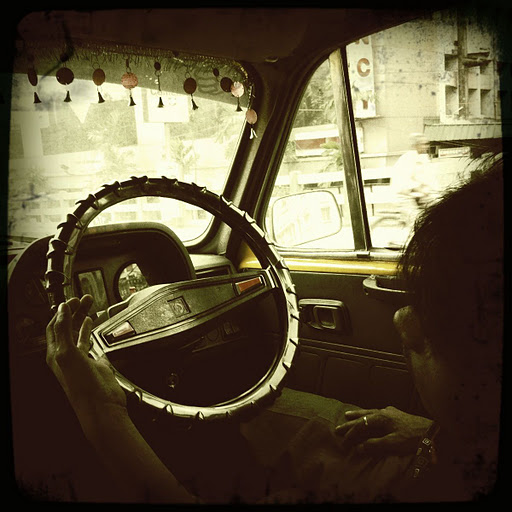
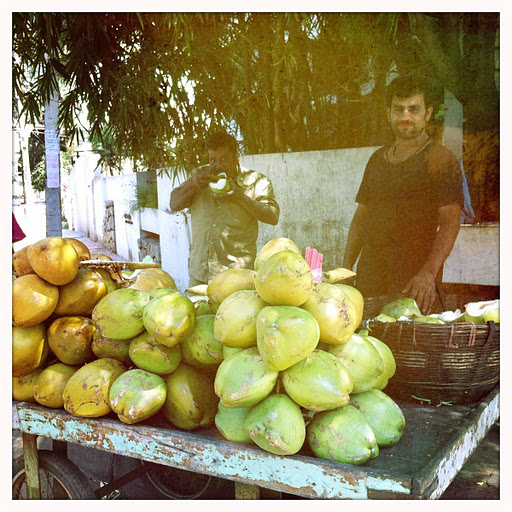
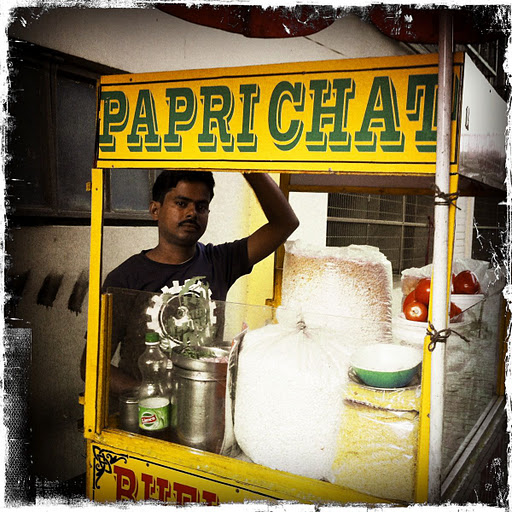
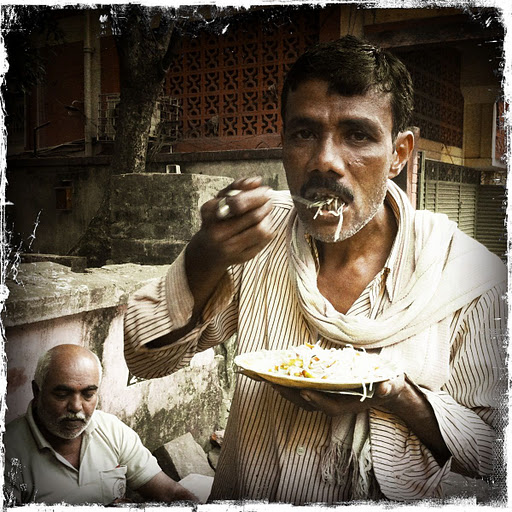
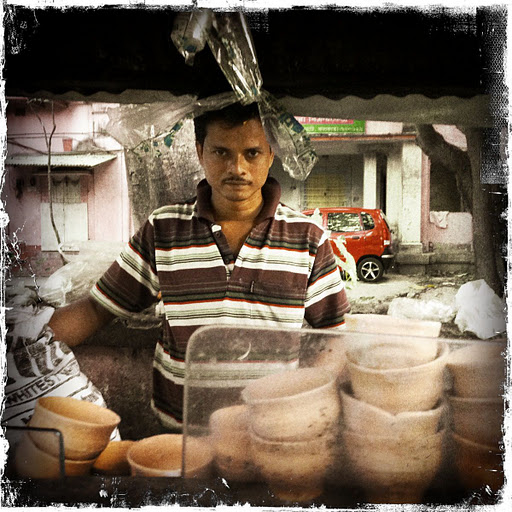
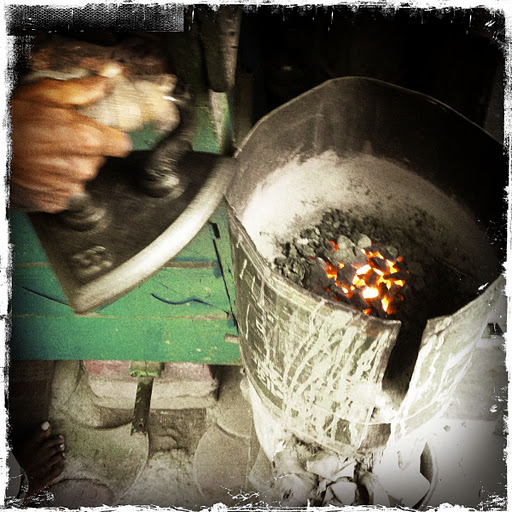
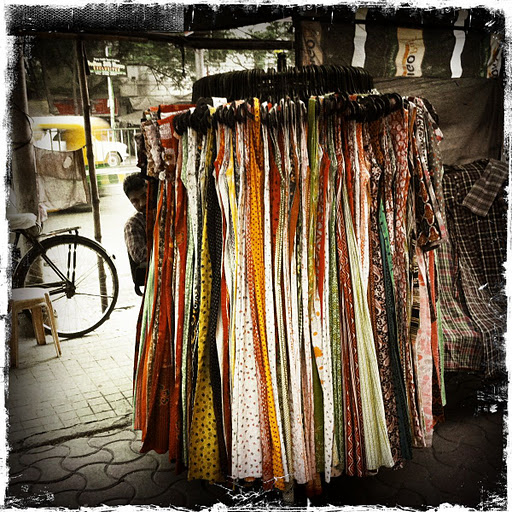
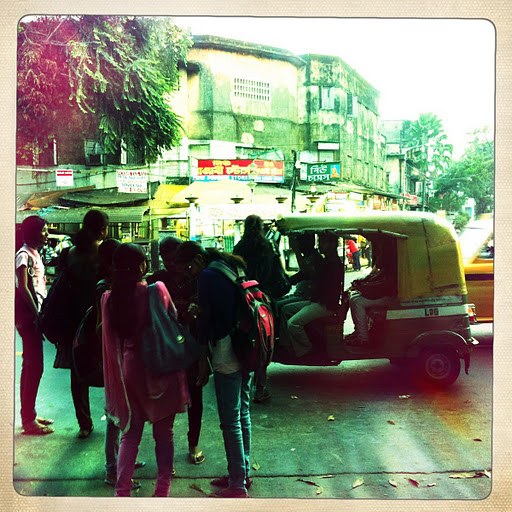
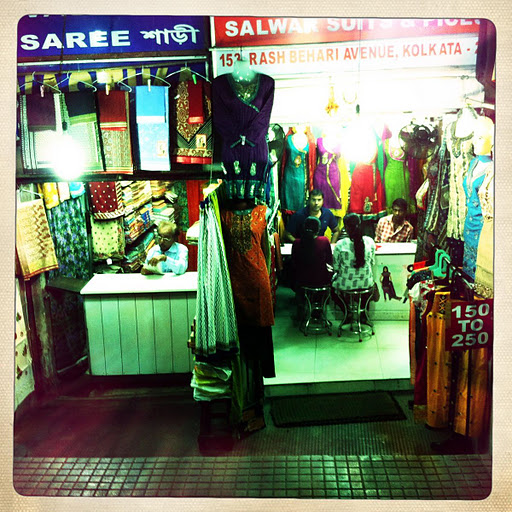
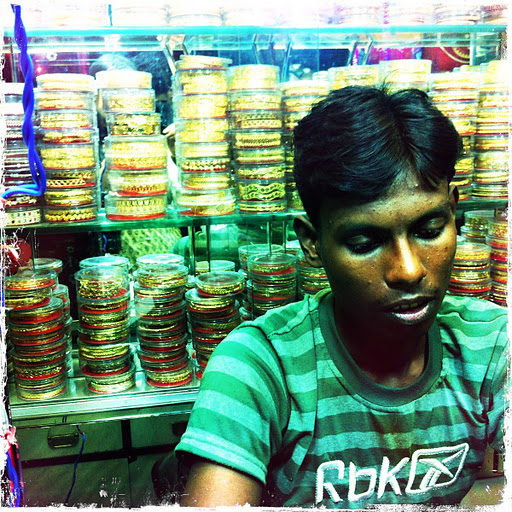
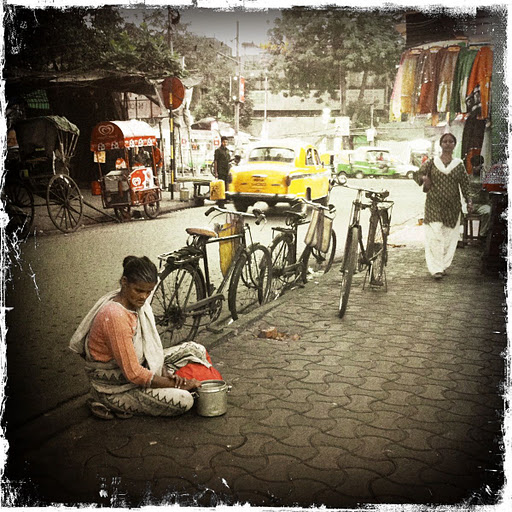
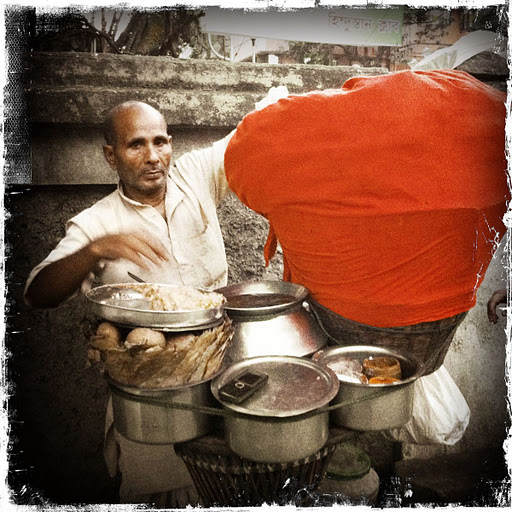
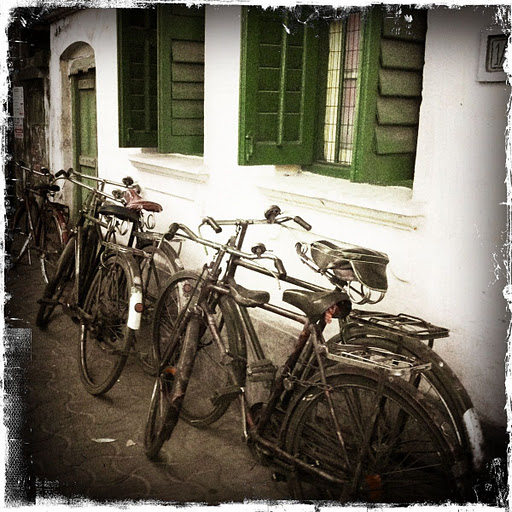
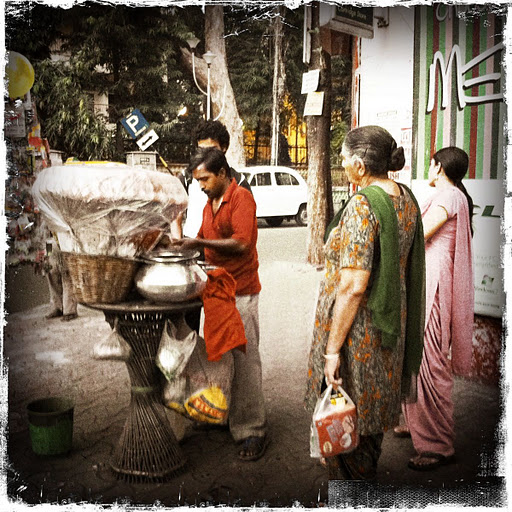
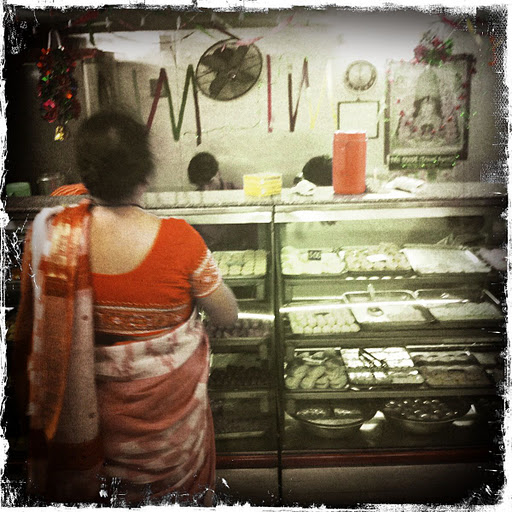
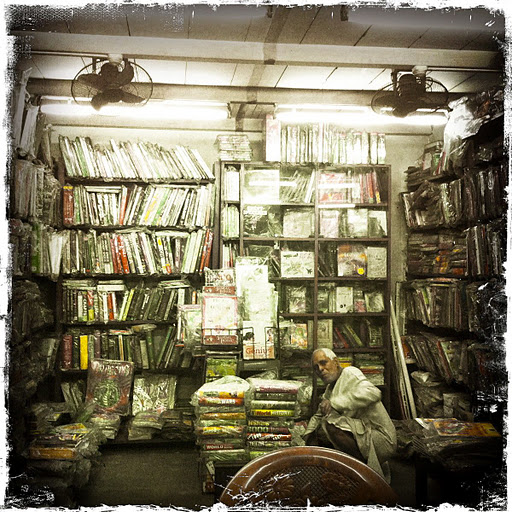
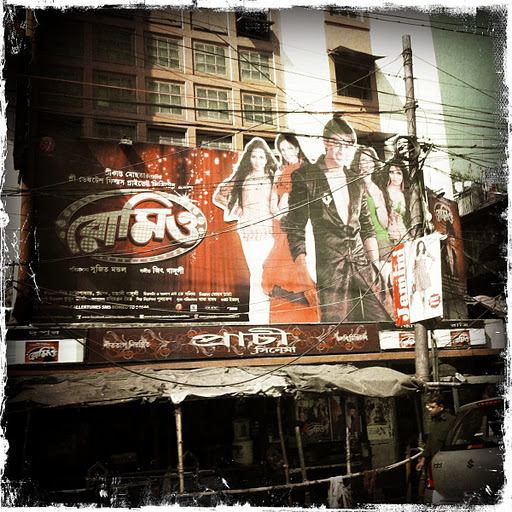
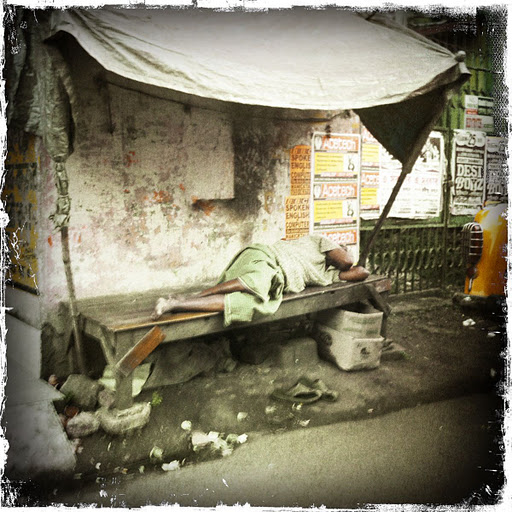
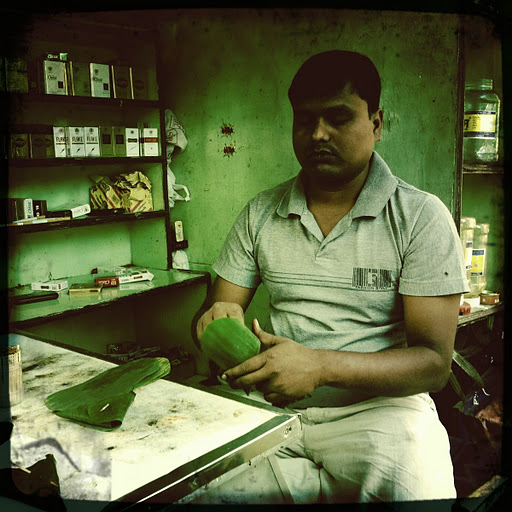
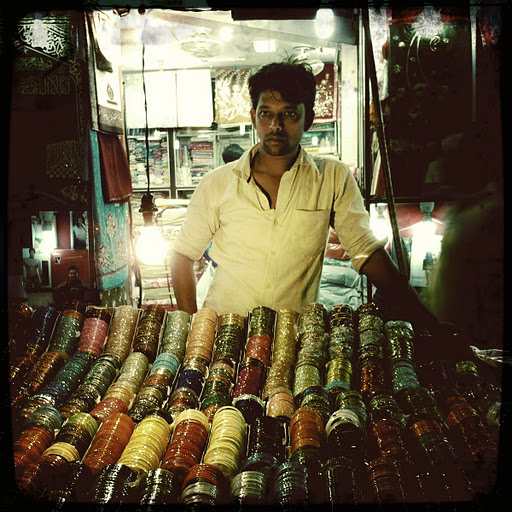
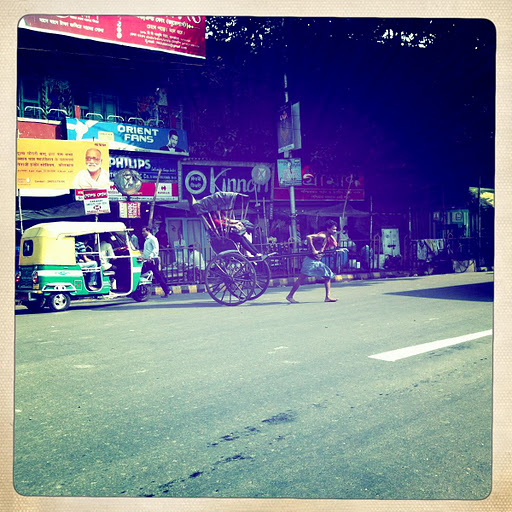
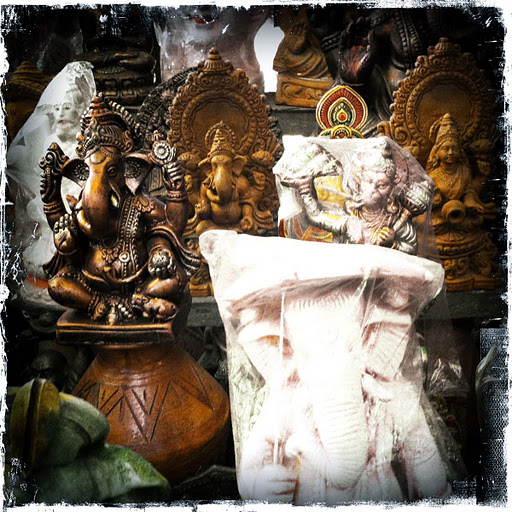
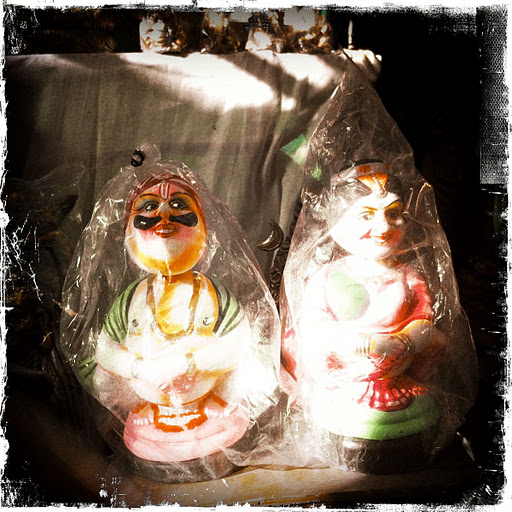
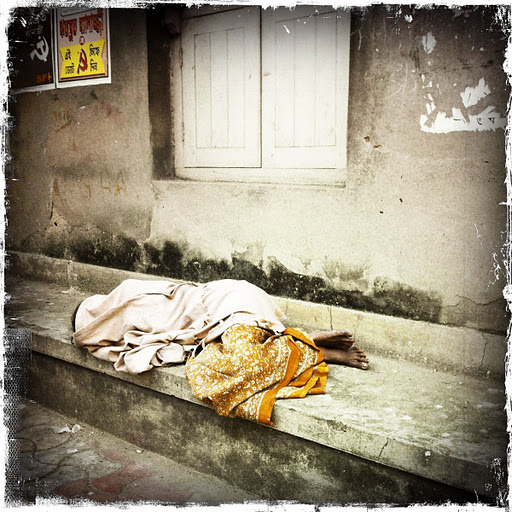
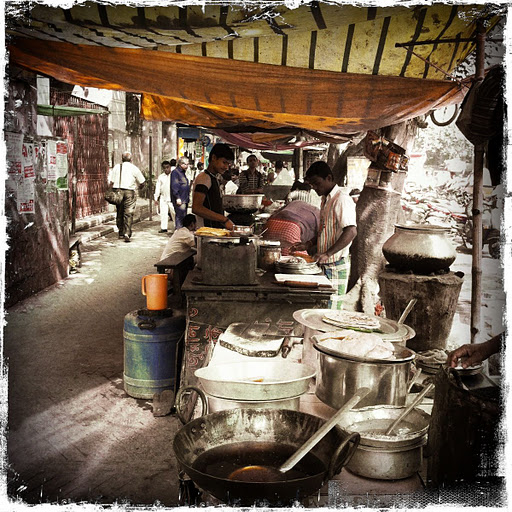
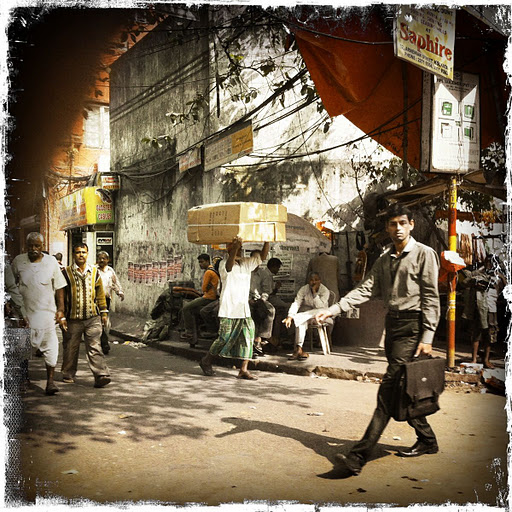
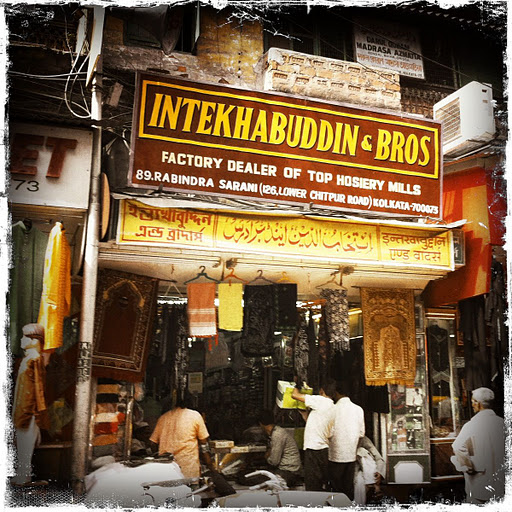
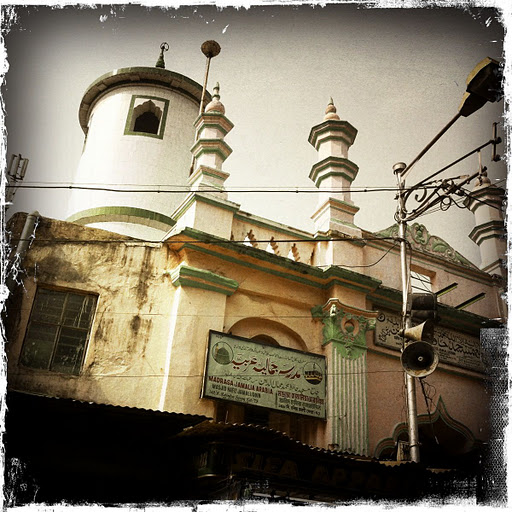
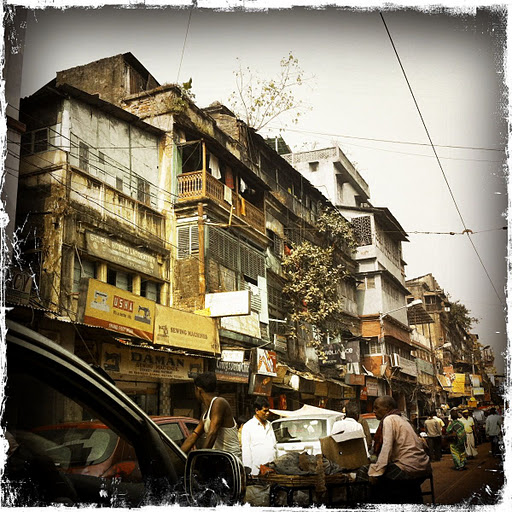
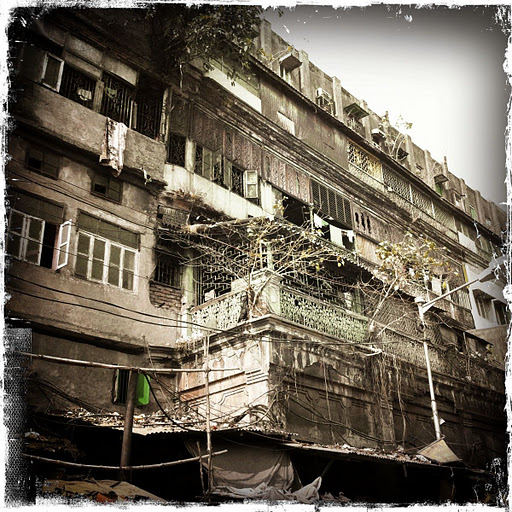
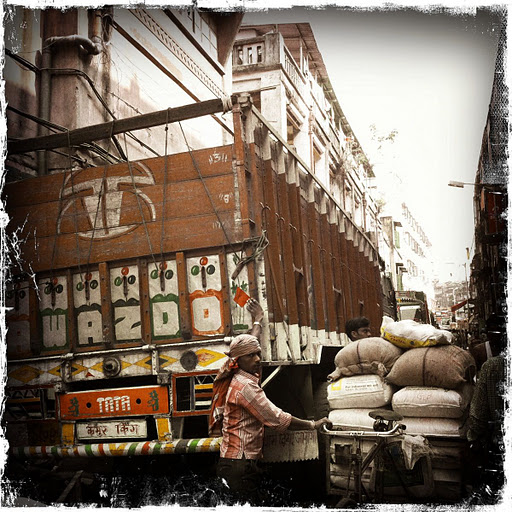
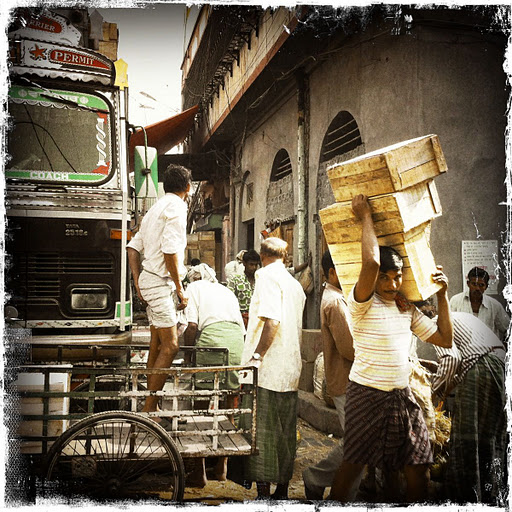
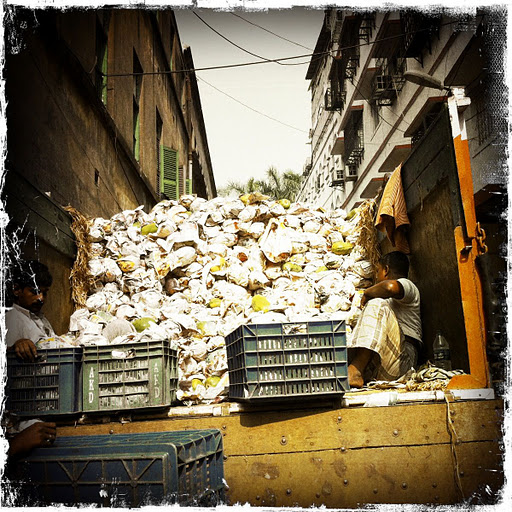
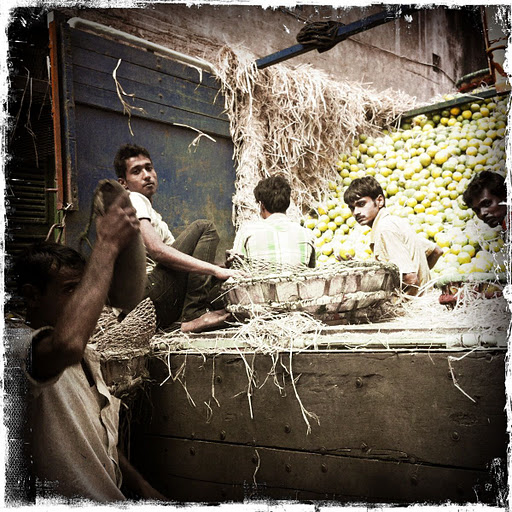
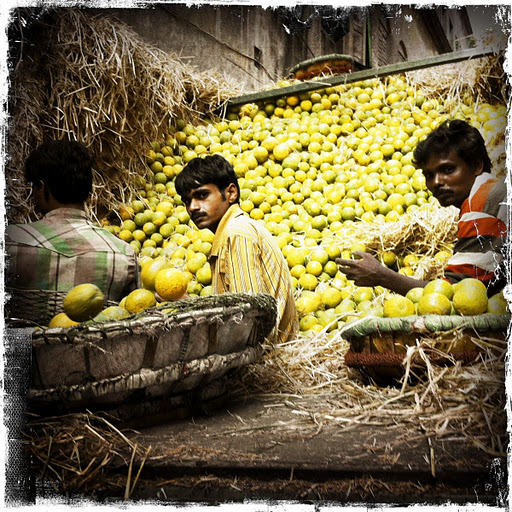
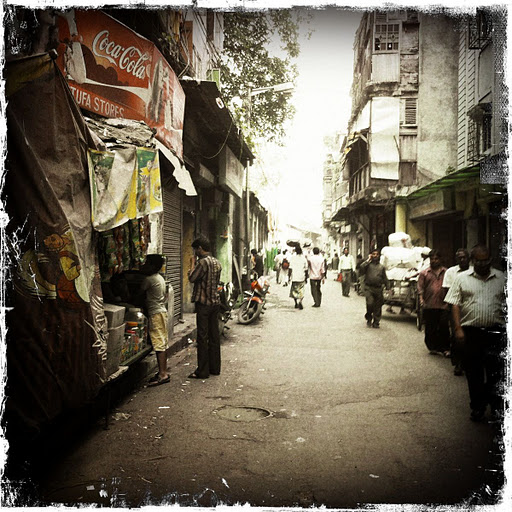
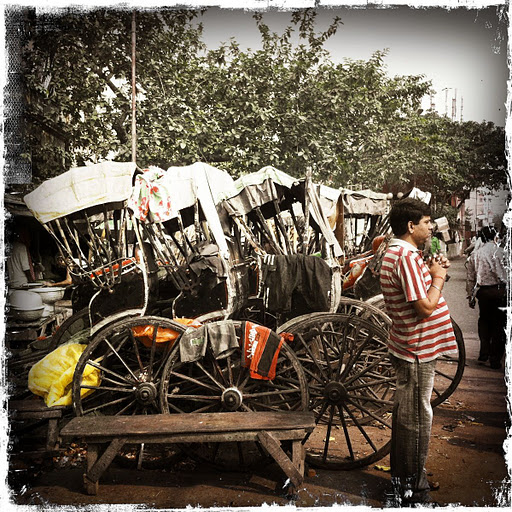
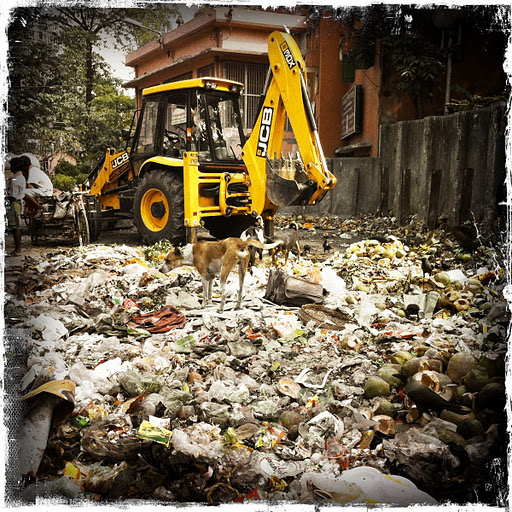
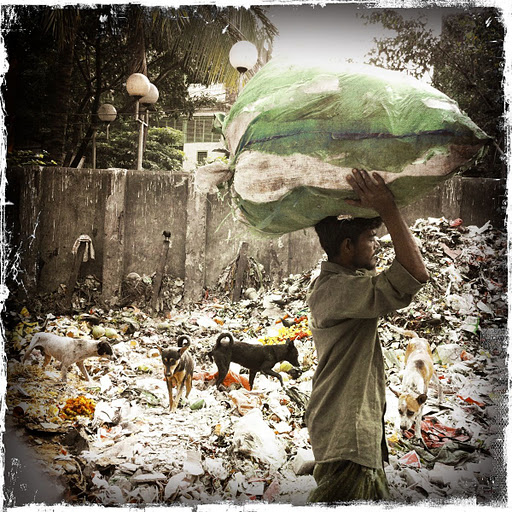
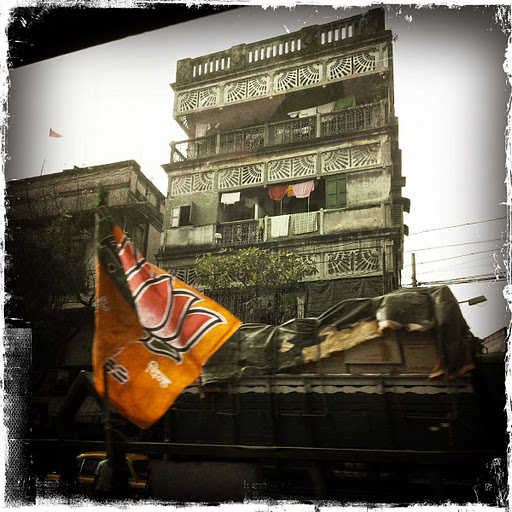
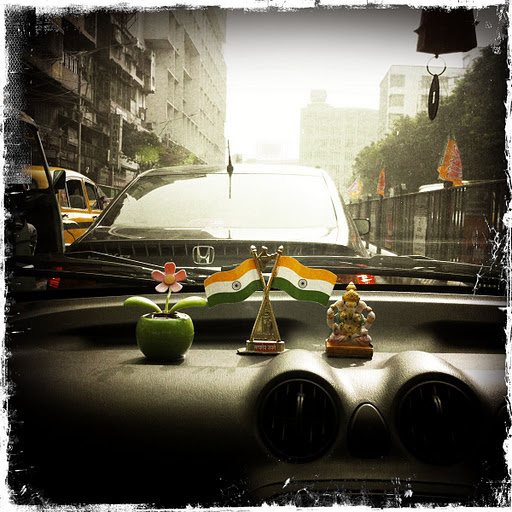
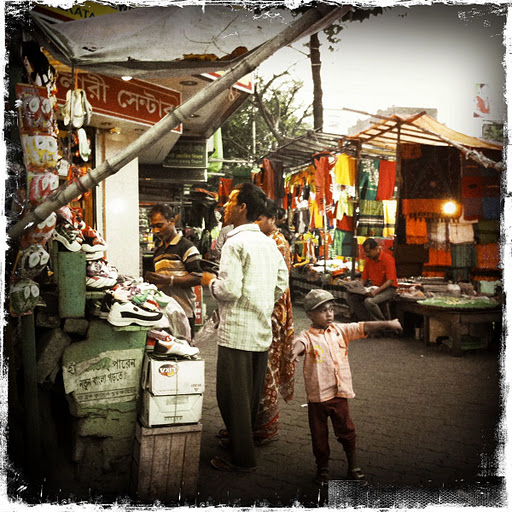
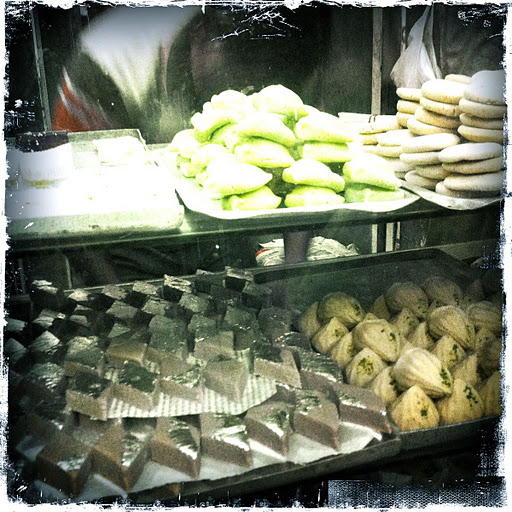
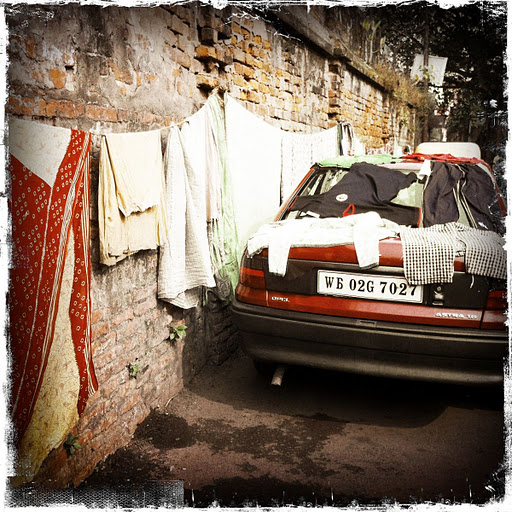
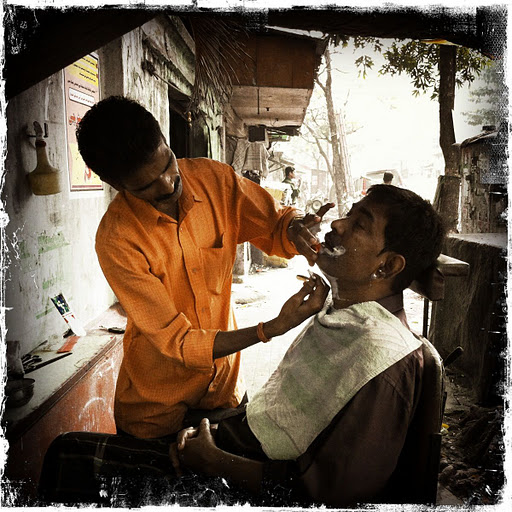
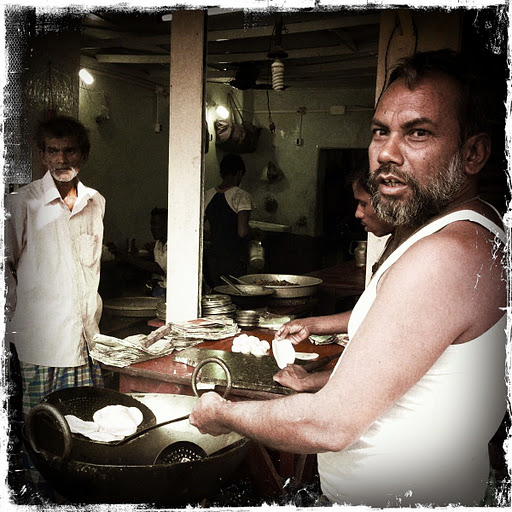
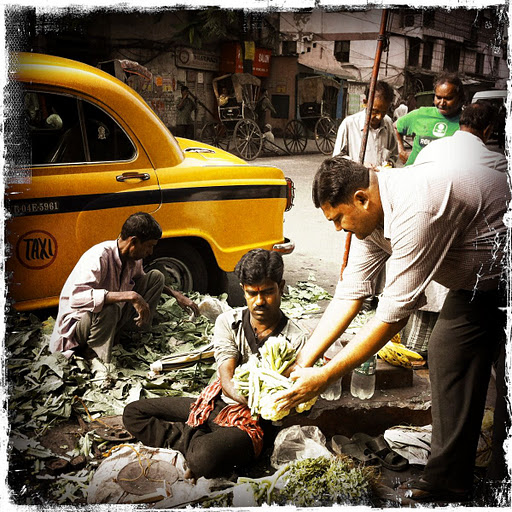
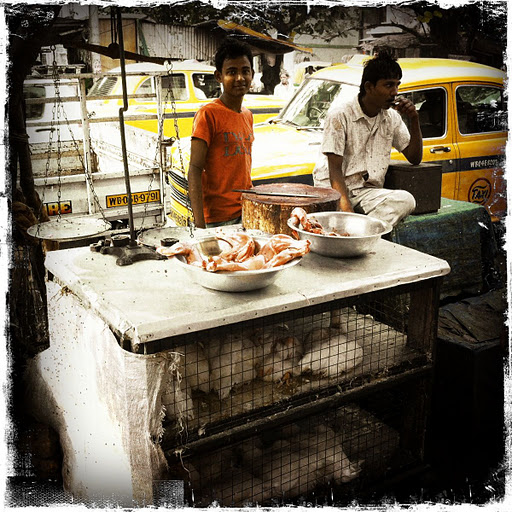
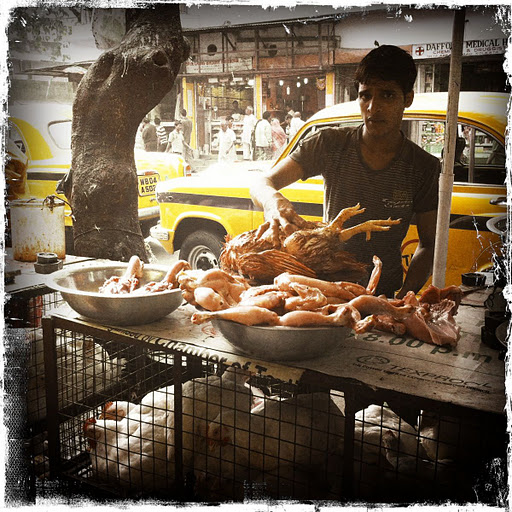
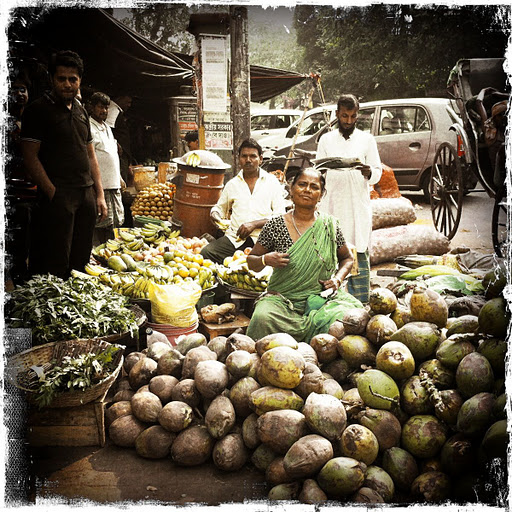
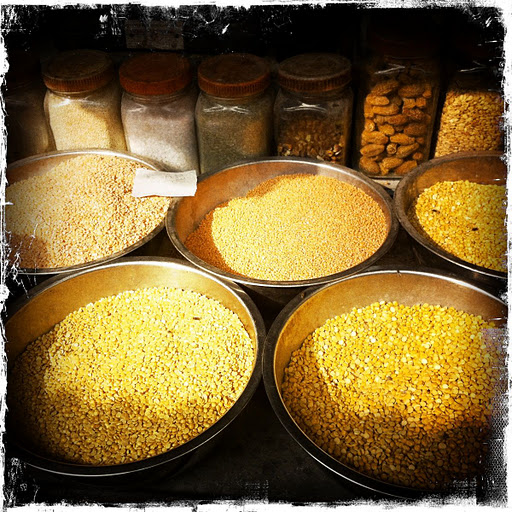
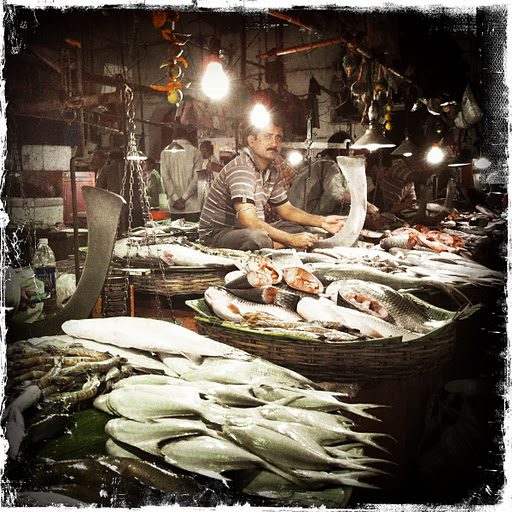
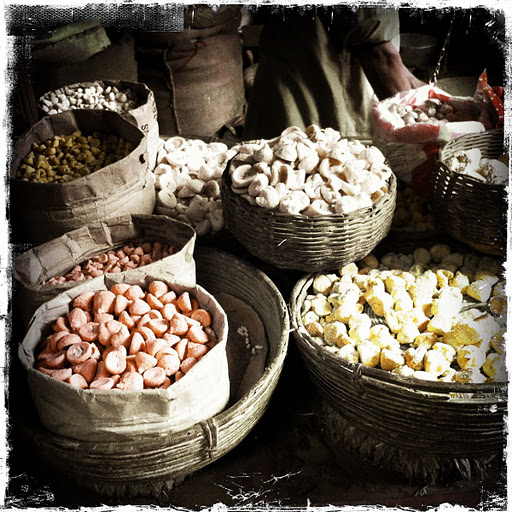
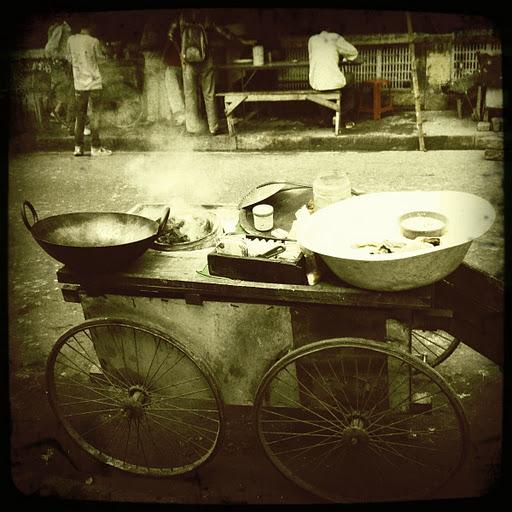
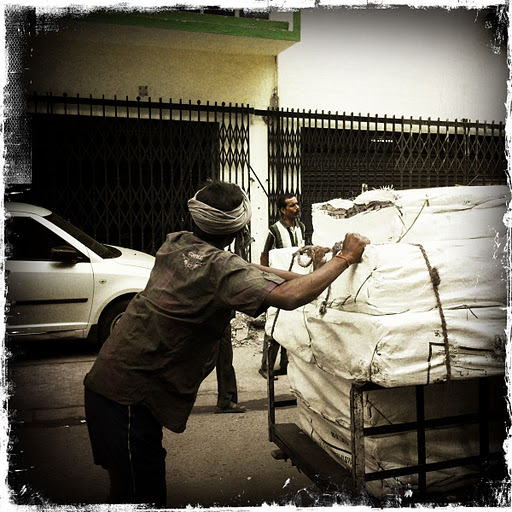
Life on the streets of Kolkata can be an assault to the senses for someone unaccustomed. For me, it’s home. The vendors, the noise, the traffic, the smells, the sounds. Everything. I snapped photos with my iPhone when I was home in November and December. Of rickshaw wallahs, sweet shops, jewelry stalls, tea vendors and grand dame buildings about to fall flat on their faces. And so much more.
Archaic no more

I wrote a story today about an important victory for rape victims.
Check it out on CNN.com
http://bit.ly/z4vI82