Kolkata Hipstamatic

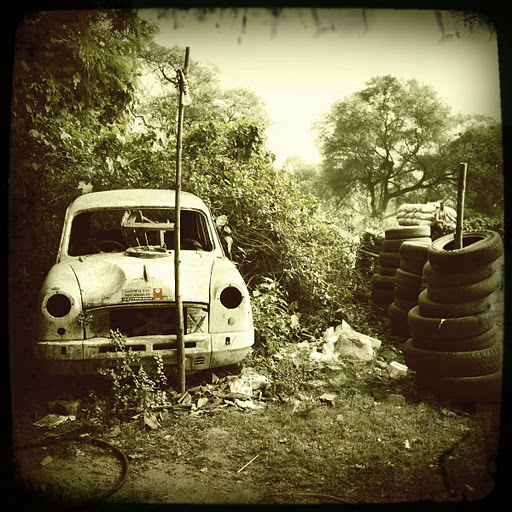
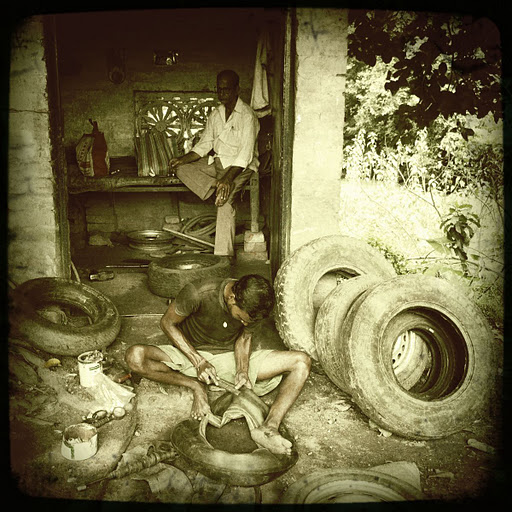
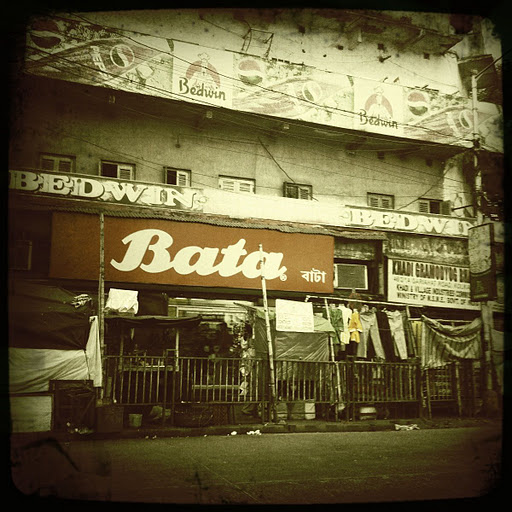
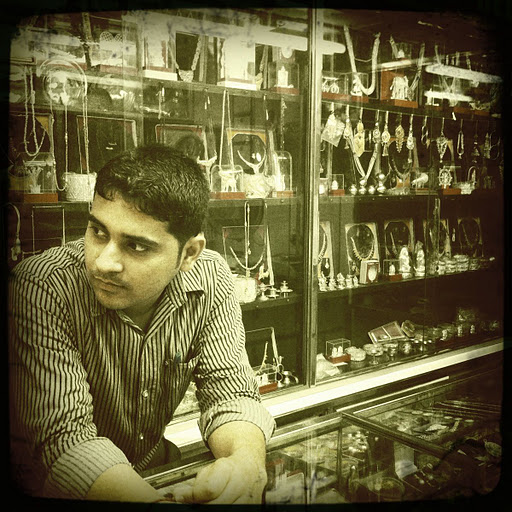
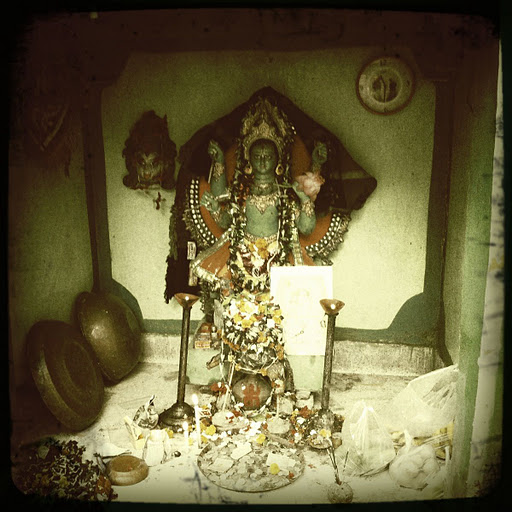
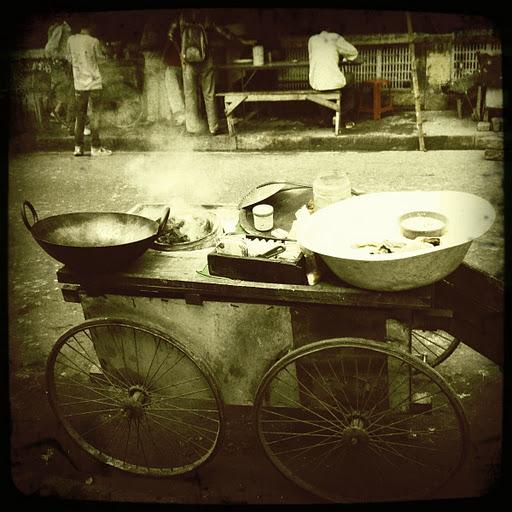
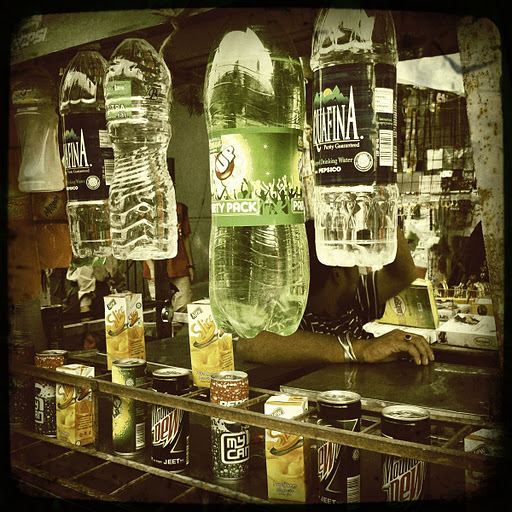
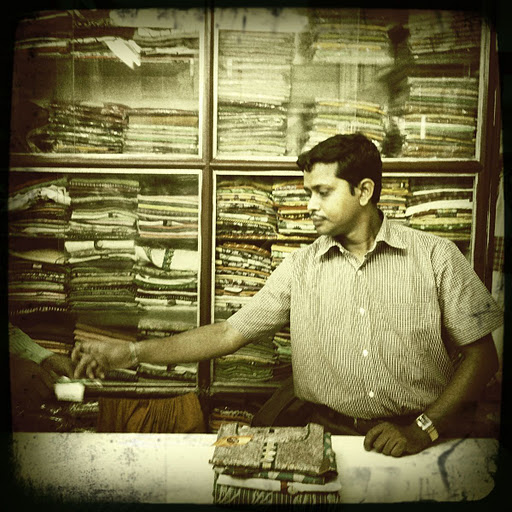
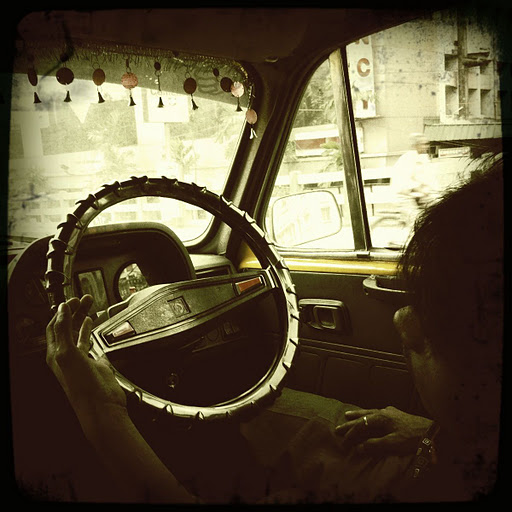
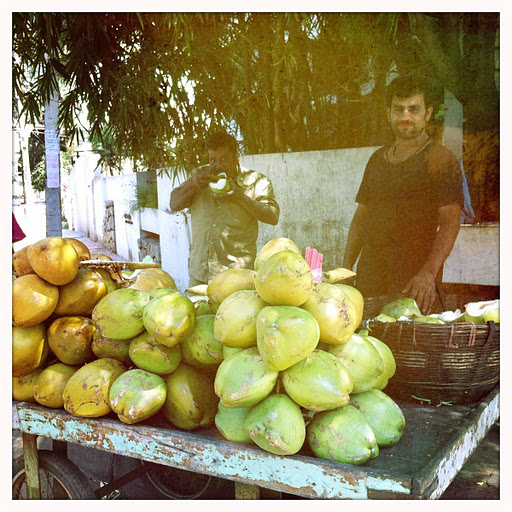
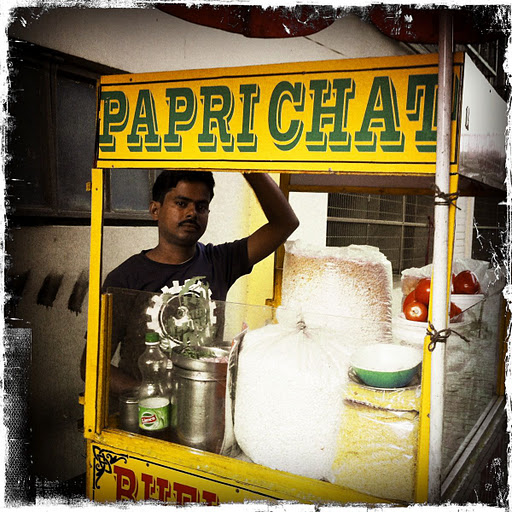
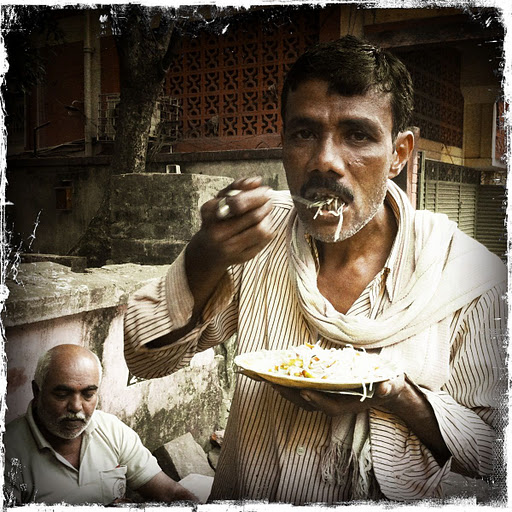
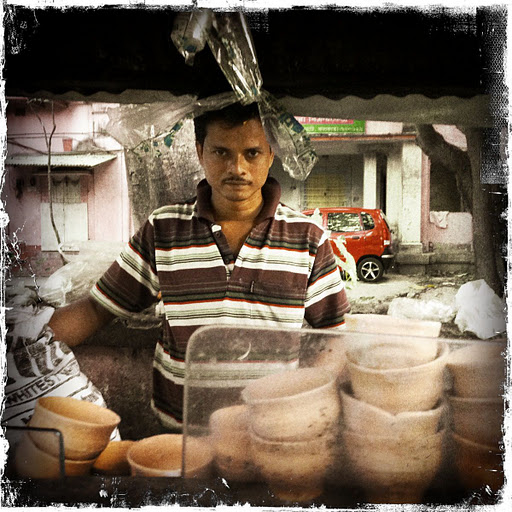
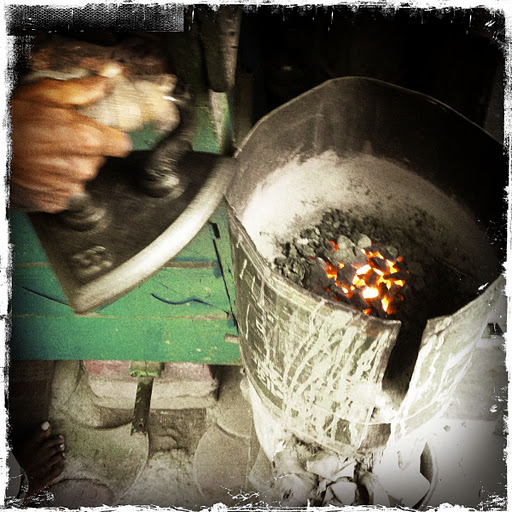
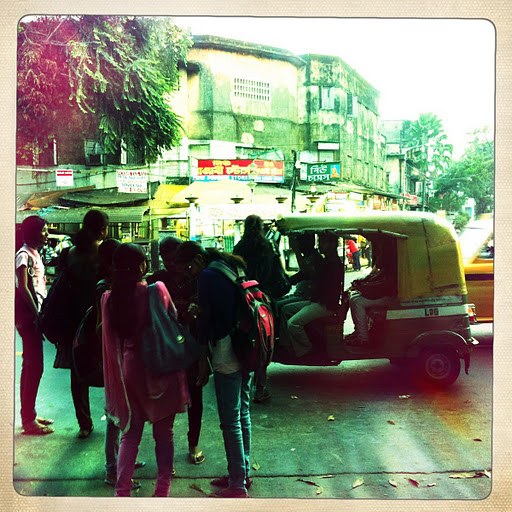
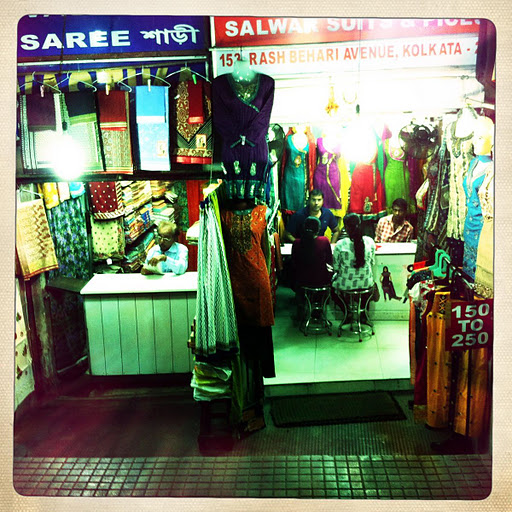
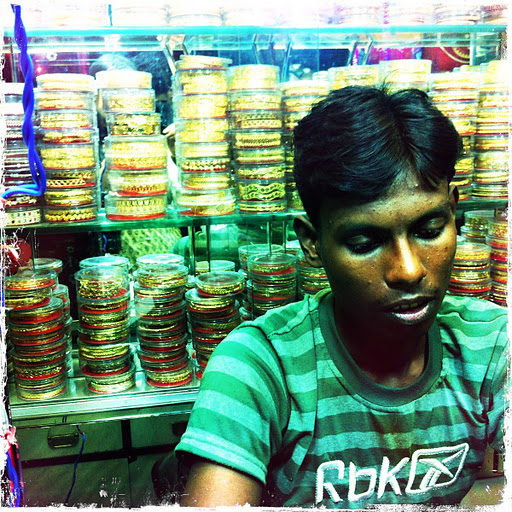
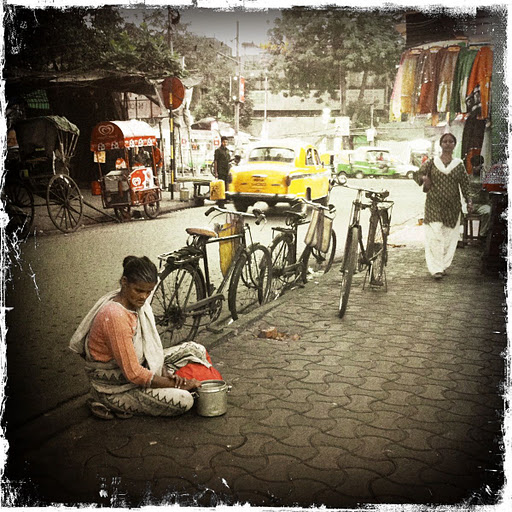
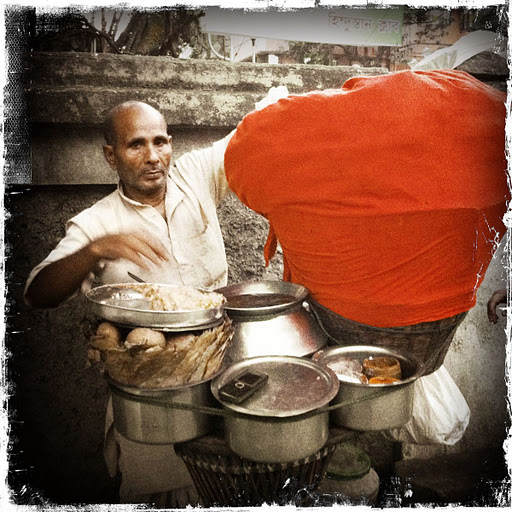
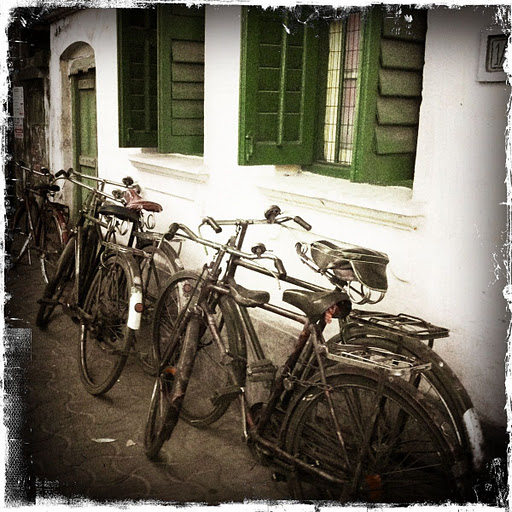
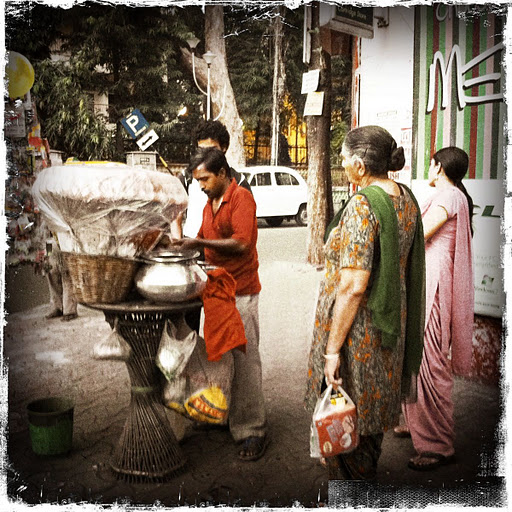
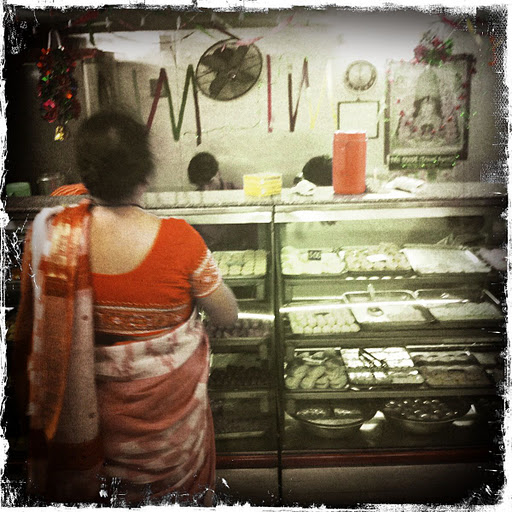
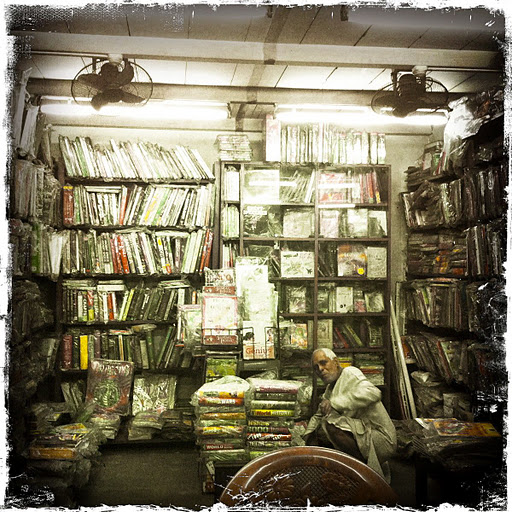
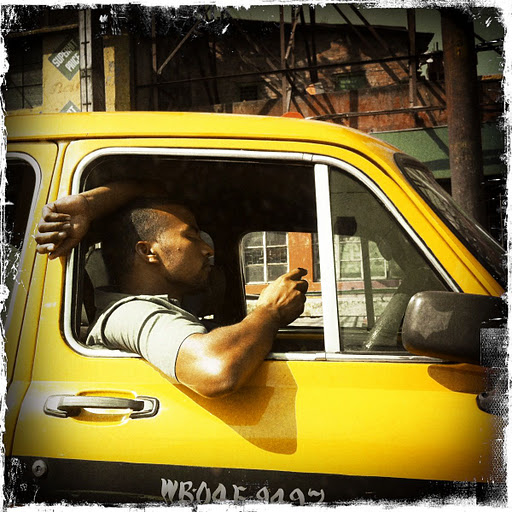
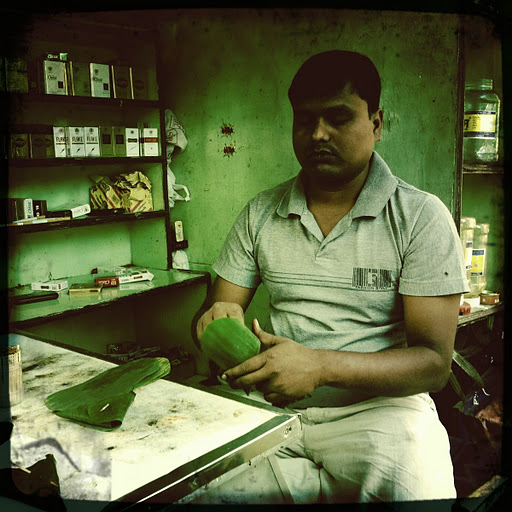
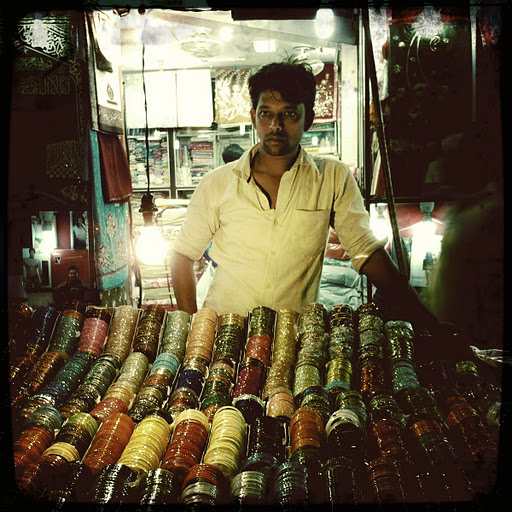
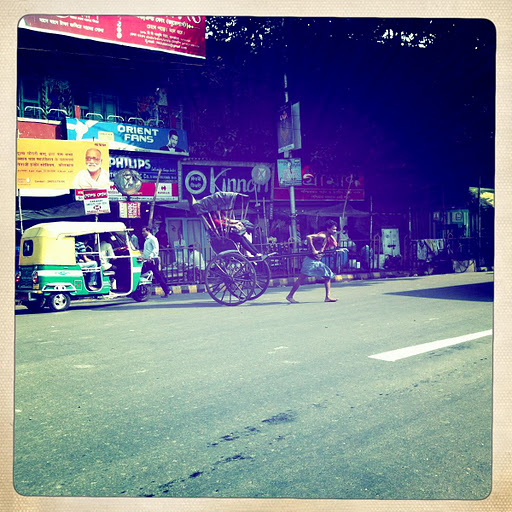
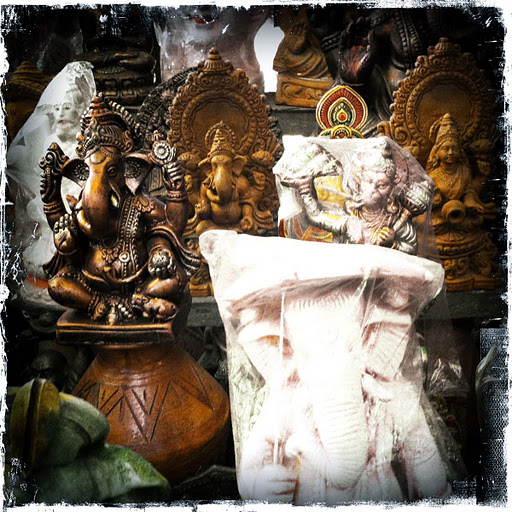
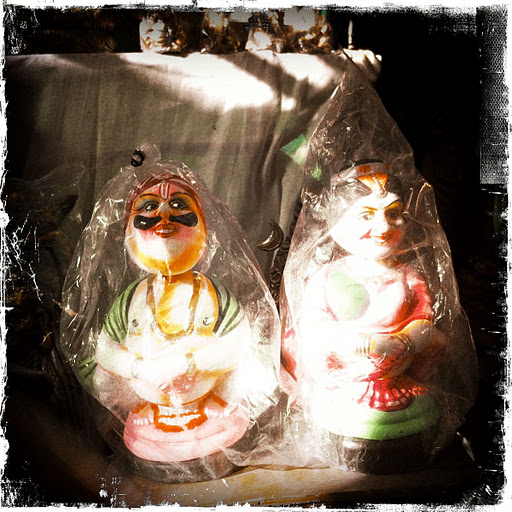
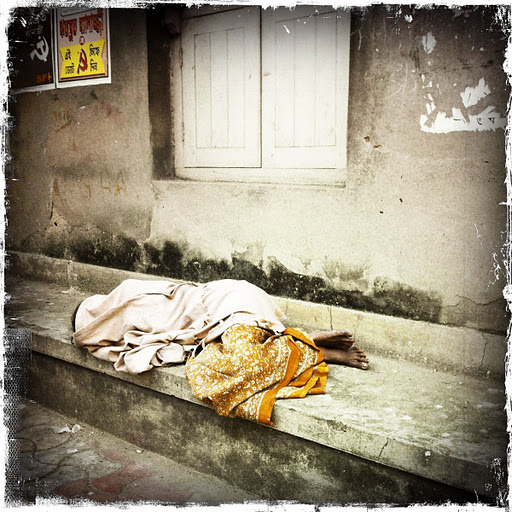
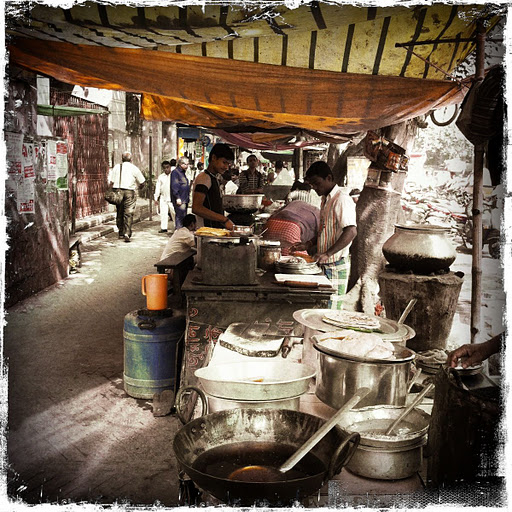
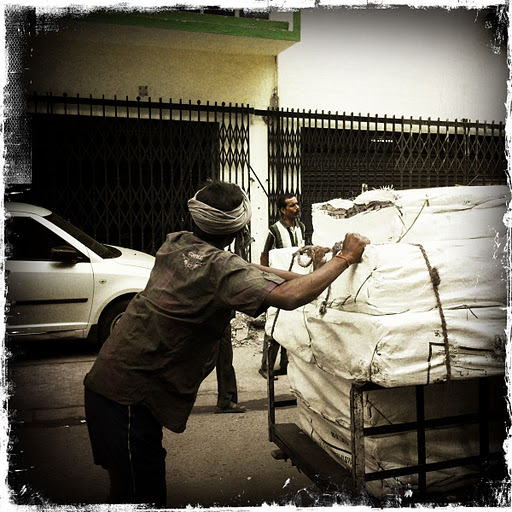
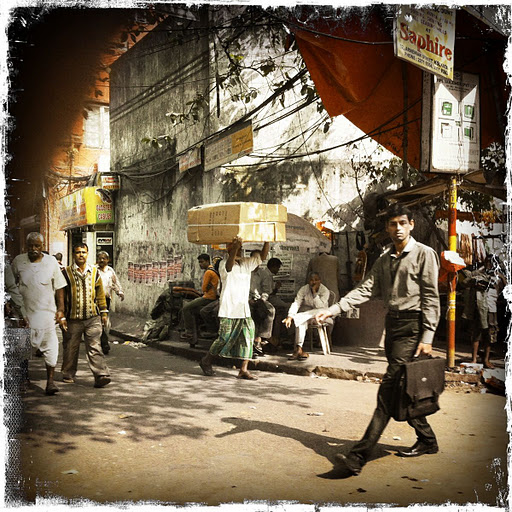
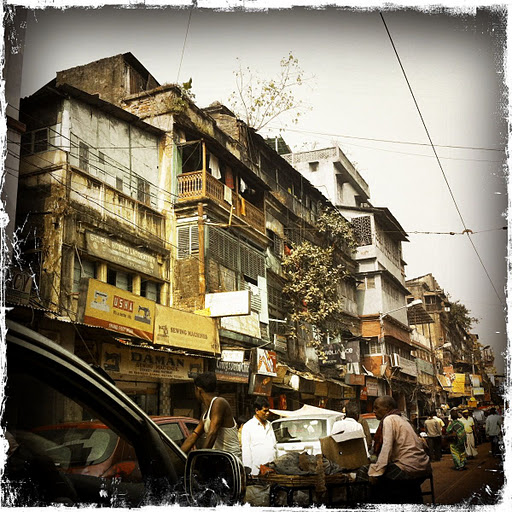
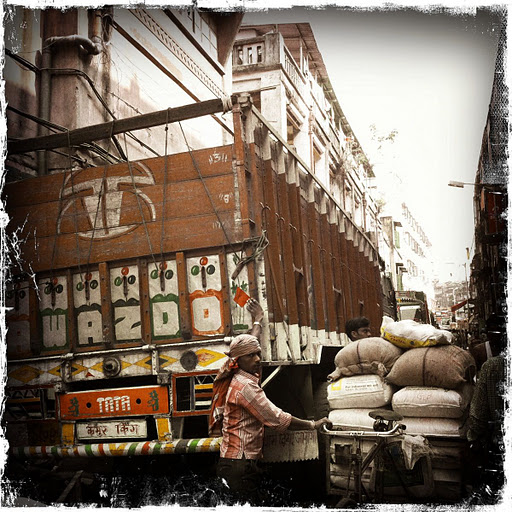
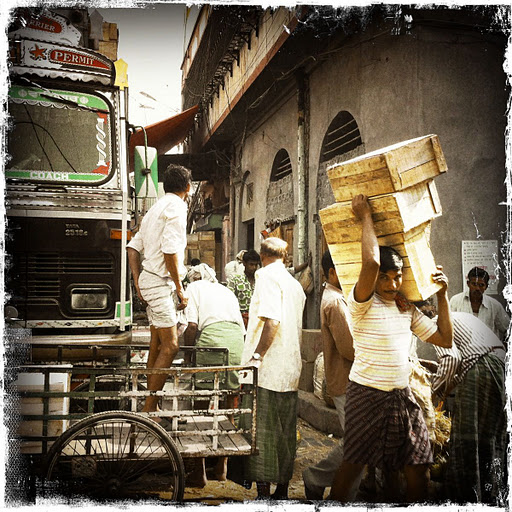
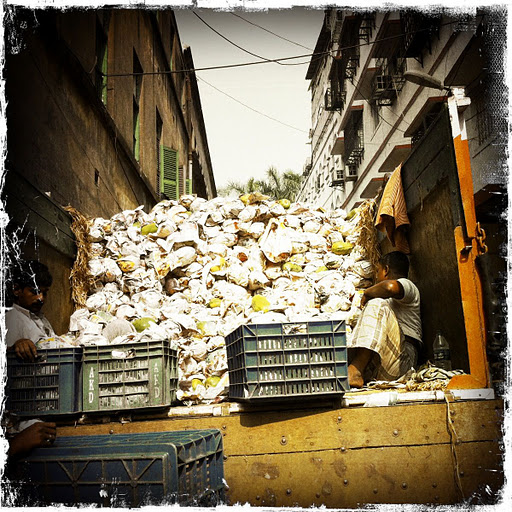
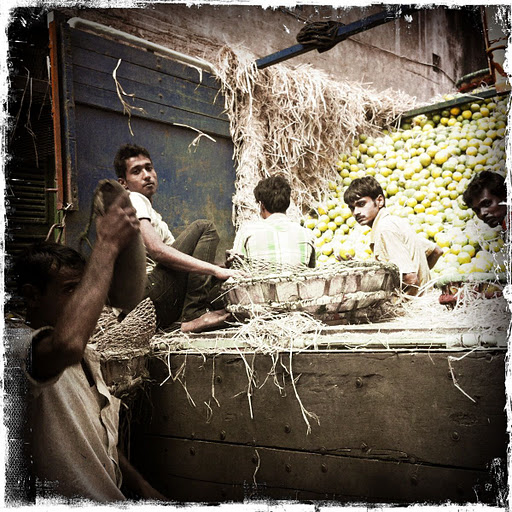
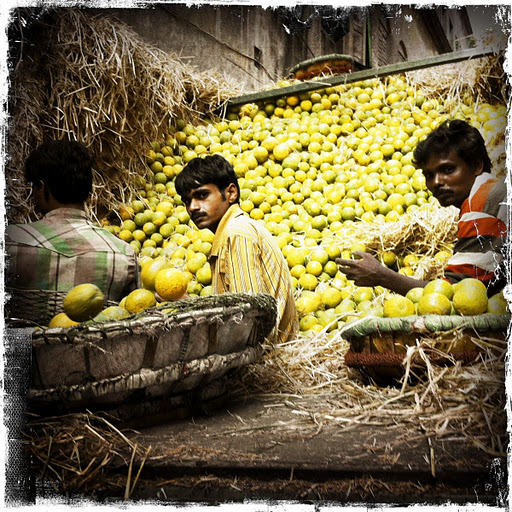
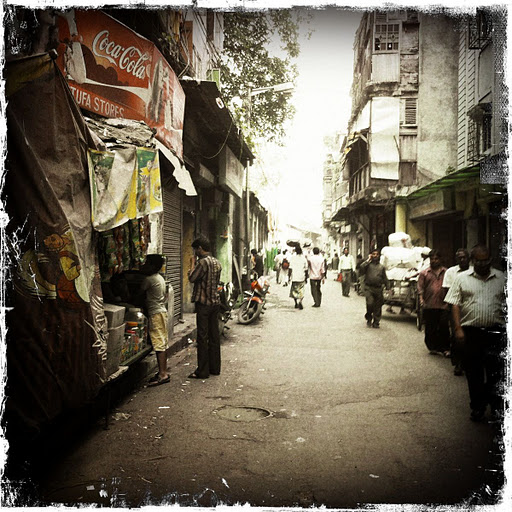
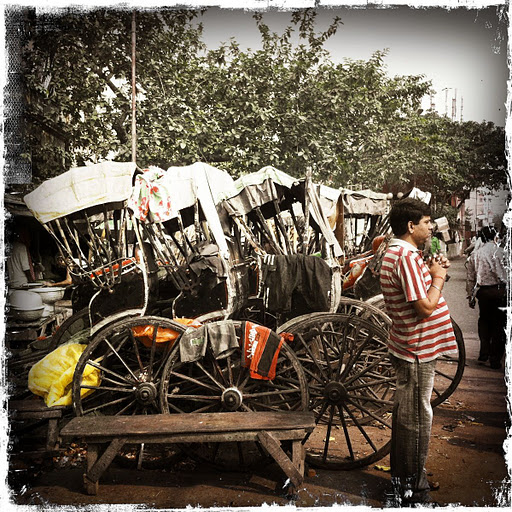
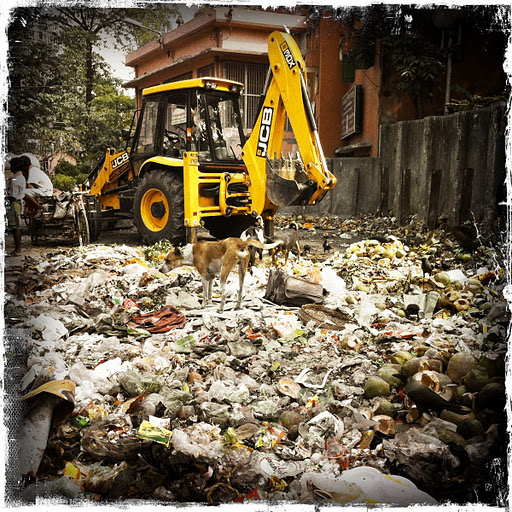
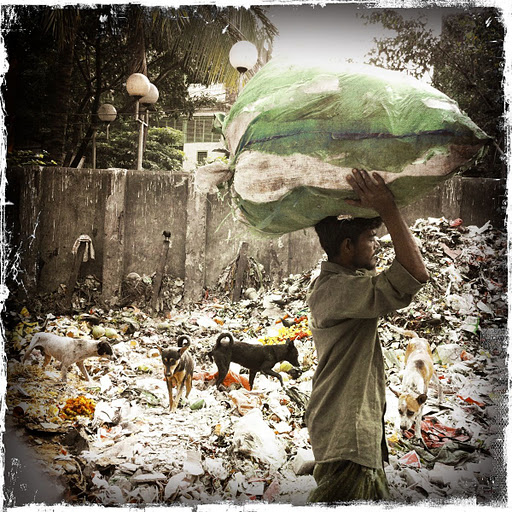
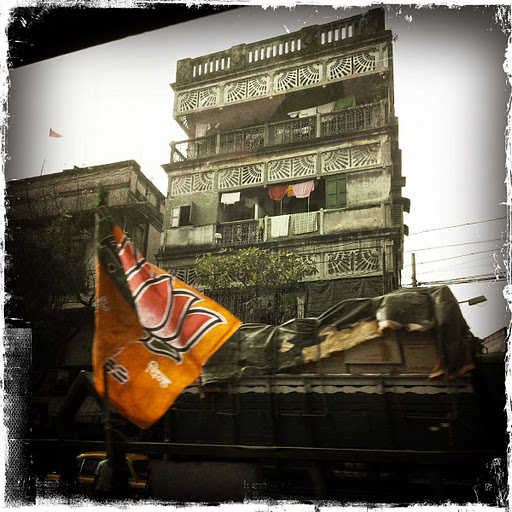
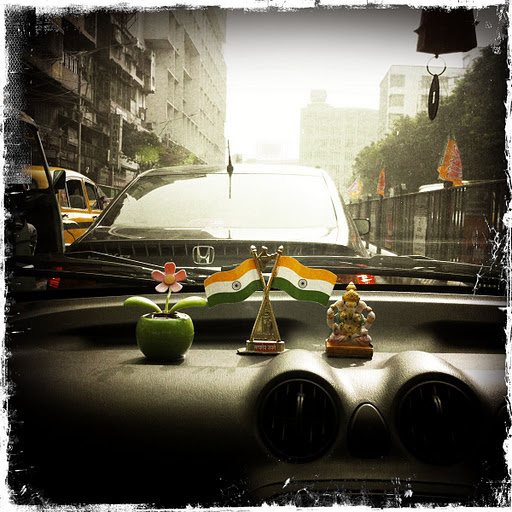
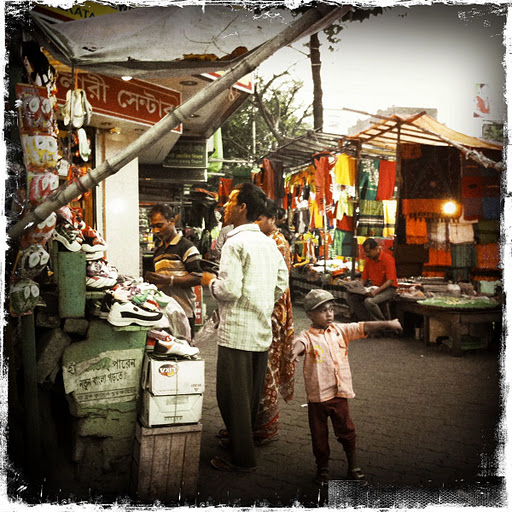
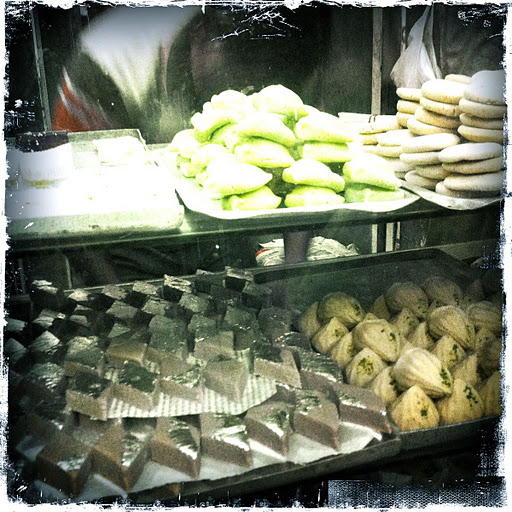
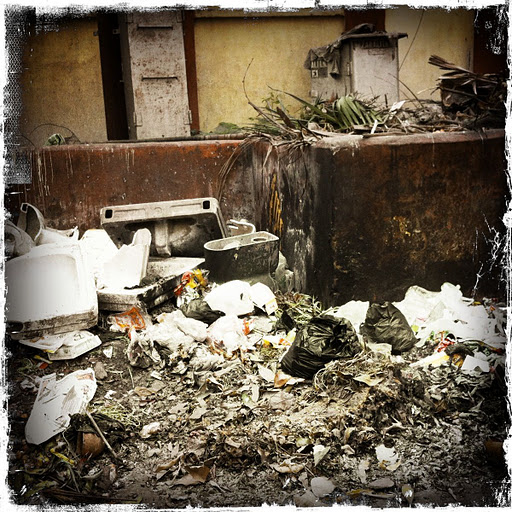
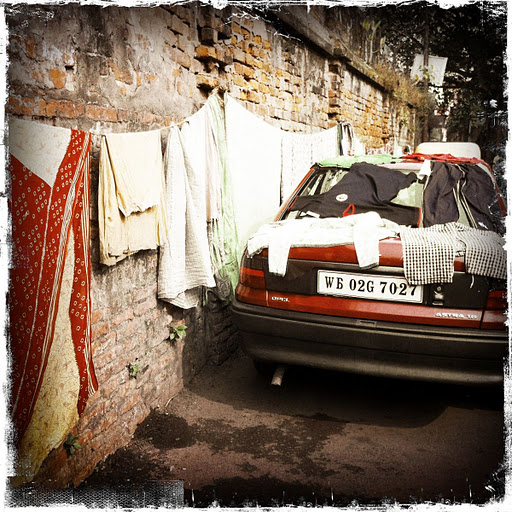
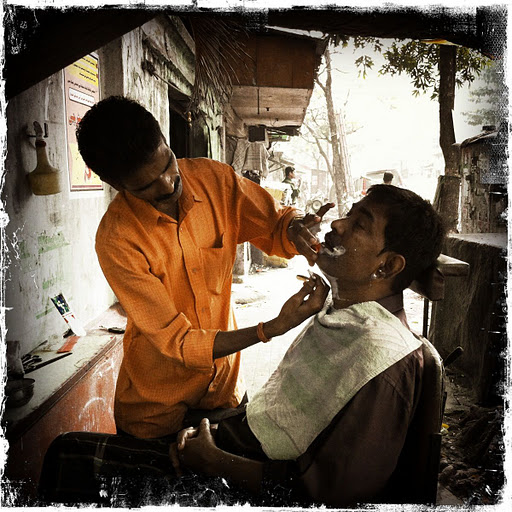
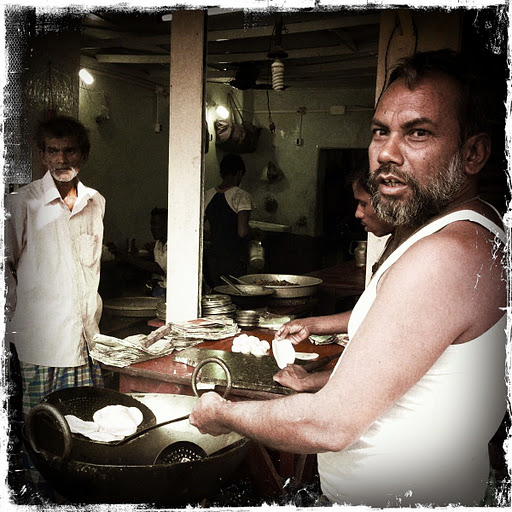
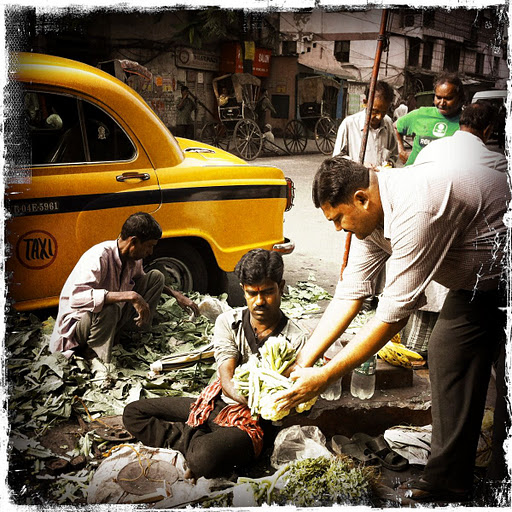
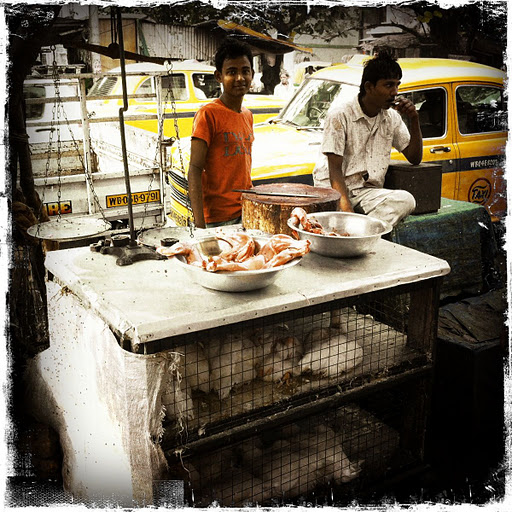
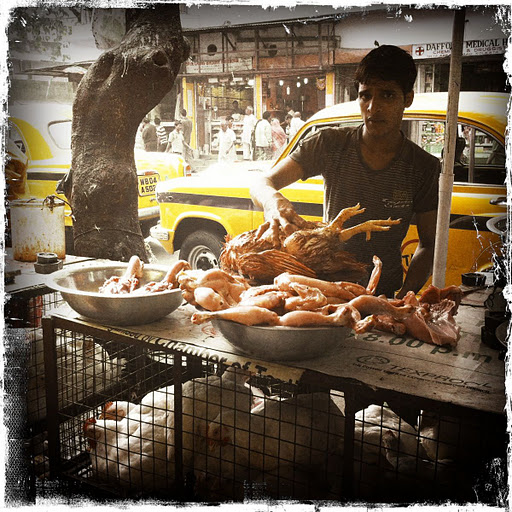
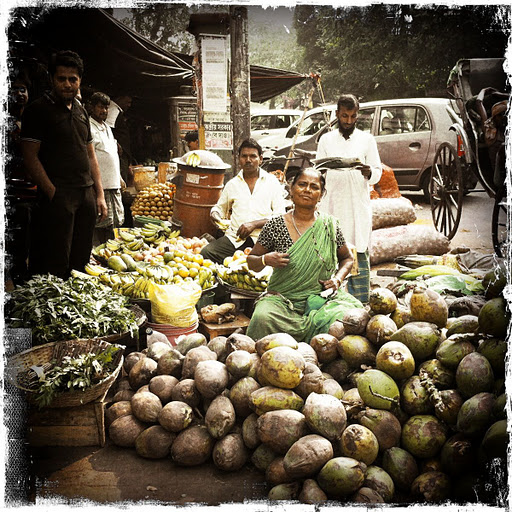
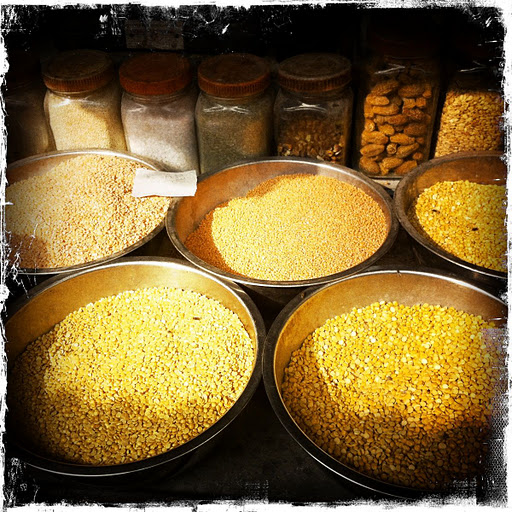
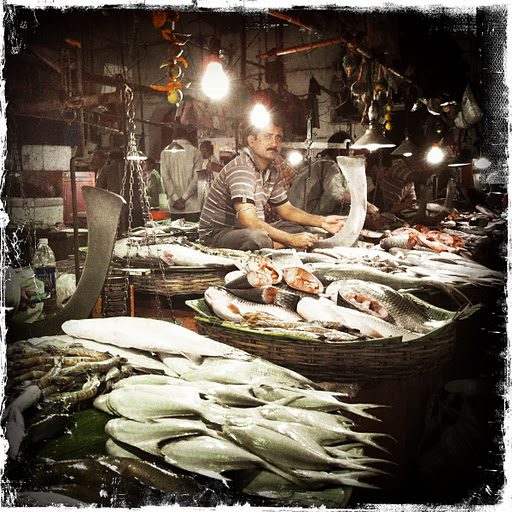
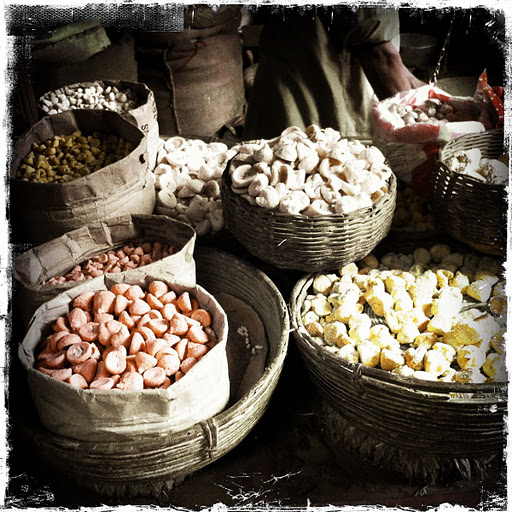
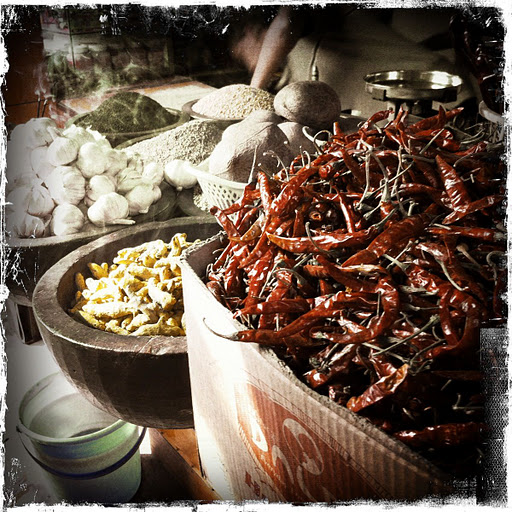
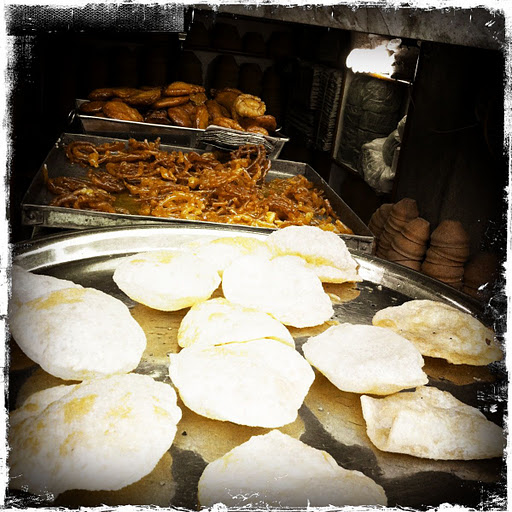
Life on the streets of Kolkata can be an assault to the senses for someone unaccustomed. For me, it’s home. The vendors, the noise, the traffic, the smells, the sounds. Everything. I snapped photos with my iPhone when I was home in November and December. Of rickshaw wallahs, sweet shops, jewelry stalls, tea vendors and grand dame buildings about to fall flat on their faces. And so much more.

Archaic no more

I wrote a story today about an important victory for rape victims.
Check it out on CNN.com
http://bit.ly/z4vI82

Cool hands

Christmas is not a tradition I grew up with in India.

But who cannot love opening presents on a cold morning in front of a fire? Especially when the gifts include a pair of tomato red woolen gloves that come complete with special forefinger and thumb fabric that allows for — what else — easy maneuvering of the iPhone.

I don’t have to take my gloves off to use my keyboard anymore. Joy!

Yes, my husband got me these gloves and yes, I love them.

Perhaps because I go to work in the darkness of the early morning — at 6 a.m. to be precise — and they come in most handy not just for checking email on my phone but also maneuvering the controls in my Mini.

Now I’ve got the whole world in my hands.

Last U.S. soldiers leave Iraq

It was hard writing about the close of the Iraq war from so far away.Deadly Iraq war ends with exit of last U.S. troops
http://www.cnn.com/2011/12/17/world/meast/iraq-troops-leave/index.html#cnn

Time for reflection

I went with Georgia soldiers on a tour of the ruins at Ur, near Tallil Air Base in early 2006.
Spc. Jason Smith and me at Tallil. 

The Iraq war isofficially ended Thursday for the United States.
Almost nine years after America“shocked and awed” Baghdad and young men andwomen from Maine to Hawaii began dying on foreign soil, the war isover.
CNN, like other news outlets, covered the last days for U.S. troops in Iraq. One of the stories aired wasfrom Camp Adder, otherwise known as Tallil AirBase, where I spent many weeks in 2005 and 2006.
Photos of Georgia’s fallen at a memorial at Tallil.
It is deserted now. A ghost town. Sand bags returned to thedesert. Empty trailers. Abandoned medical equipment.

The last hot meal served there was on Thanksgiving Day. I rememberhow I hated walking down to the chow hall to eat. It was such a hike in windand chill. So long and lonely that I often skipped dinner. Ate Ramen noodles inmy trailer instead.

That trailer was home for me. I set it up the best I could,thankful to be out of a dusty tent, sleeping on a real mattress instead of anArmy cot. Thankful to be in a place that was relatively safe and free from therocket and mortar attacks I’d lived through on other bases.
The last laundry service at Tallil was last week. How many timesdid I turn in my olive green bag with my last name and last four of my social.Three days later, I’d get back my cargo pants and cotton shirts and if I waslucky, all my socks and underwear.

The PX is shuttered. The barber shop gone. Soon it will be hard to tell that the Americans were even here.
I was at Tallil with the Georgia Army National Guard’s 48thBrigade. At that time, there were other U.S. units stationed there, as wellas the Brits and the Italians. Everyone wanted to go eat at the Italian dininghall. They served Chianti.
I took to this Iraqi girl at a health center near Nasiriyah. She
 was one of many Iraqis I remembered as the U.S. war
formally came to an end Thursday.
Before the foreigners came, Saddam Hussein used Tallil for hiswarplanes. It was, unlike so many other U.S. camps that went up fromscratch, an established base with concrete buildings and paved roads.
Tallil, not far from Nasiriyah, was built in the shadows of the five-floorziggurat of Ur,the ancient Sumerian city that is also believed to be the birthplace ofAbraham.
The Mesopotamian wonder stood as reminder to the Americans of Iraq’sglorious past. It was so much more than the land of human misery they wereseeing.
I watched the  understatedflag-casing ceremony Thursday that marked the end of the U.S. military mission in Iraq.
I helped write the CNN.com story and as I did, memories camerushing back. Of my first trip to Iraq under Saddam; of the sufferingI had seen over the years of American soldiers as well as the Iraqi people.
Those who spoke out about war’s end, including President Obama,said they hoped the sacrifices made in war would not be in vain – that Iraqwould now be able to forge ahead.
What happens next remains a question mark but for me, today was aday of reflection. I clicked through 6,511 photographs in my Iraq album iniPhoto. I saw the faces of friends and enemies.
I saw joy and sorrow. Hope and despair. Highs and lows. And all thatcomes with war.

Read the CNN story here:

Phoolpishi

Phoolpishi and Pishemashai on their 50th anniversary.

 I had just begin to cross the Atlantic yesterday when inCalifornia, my aunt lost her struggle with cancer.
I had hoped to return from India and be able to go visit her one more time. A deep sadness set in at the thought that I would never beable to see her again, hold her hand, share one last laugh.
She was my father’s youngest sister. My only other livingaunt, my Pishi in Kolkata, could barely stand to speak on the phone.

“Of us eight brothers and sisters,” she said in Bengali,“only four are still standing.”

A young Phoolpishi in Kolkata.

My eldest aunt died in the 1980s. Then, several yearslater, one of my father’s younger brothers died, quite suddenly. My fathersuffered from Alzeheimer’s for many years and was finally relieved of his agonyin 2001.

My aunt in California or Phoolpishi as I called her, wasdiagnosed with breast cancer a long time ago. She fought it and lived inremission for many years. She survived pneumonia in 2005, even after thedoctors warned my uncle and cousin Suman to prepare for the worst.
She was a fighter. Weak physically at times but steelyalways on the inside. So when we learned last July that her cancer had comeback, many of us believed she would get through this round, too.
But the prognosis was not good and somewhere deep inside,Phoolpishi knew her time on earth would end soon.
When I visited her in California, I sat on her bed forhours, talking about my childhood, our family and her only son, Suman.  She showed me the jewelry she hadinherited from her mother and her mother-in-law. She gave me two of her ownsaris, a gold necklace and one made from magenta Czech crystals.
“You will wear them, won’t you?” she asked.
“Of course, Phoolpishi,” I replied, not realizing then justhow precious they would become.
Suman and his son, Saraf, were the light of my aunt’slife. Her eyes brightened when we spoke of them. She worried for them. Whowould care for them if she was sick?
When Phoolpishi visited Suman in Washington or New York,she often stocked his refrigerator with home-cooked Bengali meals. When Ivisited her in 2006, she made chicken curry, even though she disliked chickenand wouldn’t eat it even if you paid her.
She insisted on wheeling herself into the kitchen
 to make payesh for me.

This last time, she insisted she make payesh for me. It’sa traditional dessert eaten on birthdays. My birthday was two weeks away stillbut Phoolpishi was adamant.

“I don’t know when I will be able to make you payeshagain,” she said.
She wheeled herself into the kitchen, and made the payeshwith vermicelli and a special molasses from Bengal. I ate three heaping bowlsbut she was disappointed.
“Bhalo hoyeni,” she said. It’s not good.
I hugged her and told her I couldn’t remember the lasttime anyone had made payesh for my birthday since my mother fell ill in 1982.
Phoolpishi holding me in
Kolkata, 1963

It was tough to leave California at the end of September.I knew then I would probably not see her well again. I knew I would probablylose another close connection to home; someone who strengthened my own roots;someone who had known me since I was born.

Now, on this bright winter day in Atlanta, I am sifting throughold-fashioned photo albums and remembering Phoolpishi.
With Saraf and Pishemashai  in 2005.

How she easily dozed off in a car as soon as it startedmoving – a trait shared by my father. How she loved to play bridge, as did myfather. How she shared with him another passion – Bengali mishtis or sweets.When Phoolpishi visited us in the 1980s in Florida, she and my father spenthours in the kitchen making sandesh and bhapa dahi.

Before they bought their flat in Kolkata, Phoolpishi andmy uncle, Pishemashai, stayed with my parents. My father was especially fond ofhis little sister and Phoolpishi was devastated when my father died. He hadspent several months with them in Concord during his illness.
It’s often in death that we think about how loved ones influence our lives. We sit and wish we had done more with them;spent more time; made a greater effort.
I visited her in September in California.

I am feeling all those things today. She was the only oneof my father’s generation who was in the United States. And yet, I saw her morewhen we both visited India together.

My grieving today is tinged with regret.  But I am thankful I was able to see herin September.
Before I left that Sunday morning for the BART station,she held my hand tight.
“I am very proud of you,” she told me.
And I, of you, Phoolpishi. Brave. Courageous. Generous. Kind.Inspiring.


You are free of your pain now. Free of the hard journey. Rest in peace.

A family photo taken in the early 1970s at my grandfather’s house in Kolkata. Phoolpishi is on the right on the front row. I am sitting in the middle of the front row. Suman is to my right.


Flying away

Fun in an English class with some of the 10th graders at Udaan.

In Hindi, udaan means flight. Like a bird flying off. Free to explore the world.

In my hometown of Kolkata, the Udaan Society is trying to help underpriveleged youth find that freedom through knowledge.

My childhood friend Vijay recently started a new weekend program at Udaan for students of all ages.

In a donated flat in Kolkata’s Alipur neighborhood, boys and girls and young men and women who live lives under India’s crushing poverty, find solace from the misery of their own homes within brightly lit rooms.

They are served lunch and encouraged to paint, dance, sing — activities they might not otherwise engage in their gloomy homes. Many don’t have both parents. Or their fathers are drug addicts. They come from uneducated families who are unable to teach them the importance of school.

The idea is to take them away from their environments to help provide a boost in their education. Teachers volunteer their time to help the students with math, English, business education.

With Saddam Hussein. I teased him about his name.

Vijay asked me to teach a few English classes there this time. Some were 5th and 6th graders. Others were high school students. All were eager to learn English, a vital language for good jobs in India.

I had found it extremely rewarding to teach last spring at the University of Georgia. Teaching at Udaan was something else.
I am posting a few photographs of some of the older students.

One told me he wanted to be an astronaut; another, an engineer.

The idea is to get the kids away from gloomy home environments.

I wish you well. And if any of you are reading this, remember always that you only get one chance in life to go to school in India. Please stick with it. So you, too, can take flight.

Fly away from that which you cannot control. Fly away from empty bellies and sickness. Fly way from the pain of poverty.
 
But most of all, never stop dreaming.

Perfect palindrome

Happy 11/11/11.


It’s a perfect palindrome day.


And also a day to honor all those who served in uniform. 


Read my story about this special date on CNN: http://bit.ly/rCmcHj

Red Tide

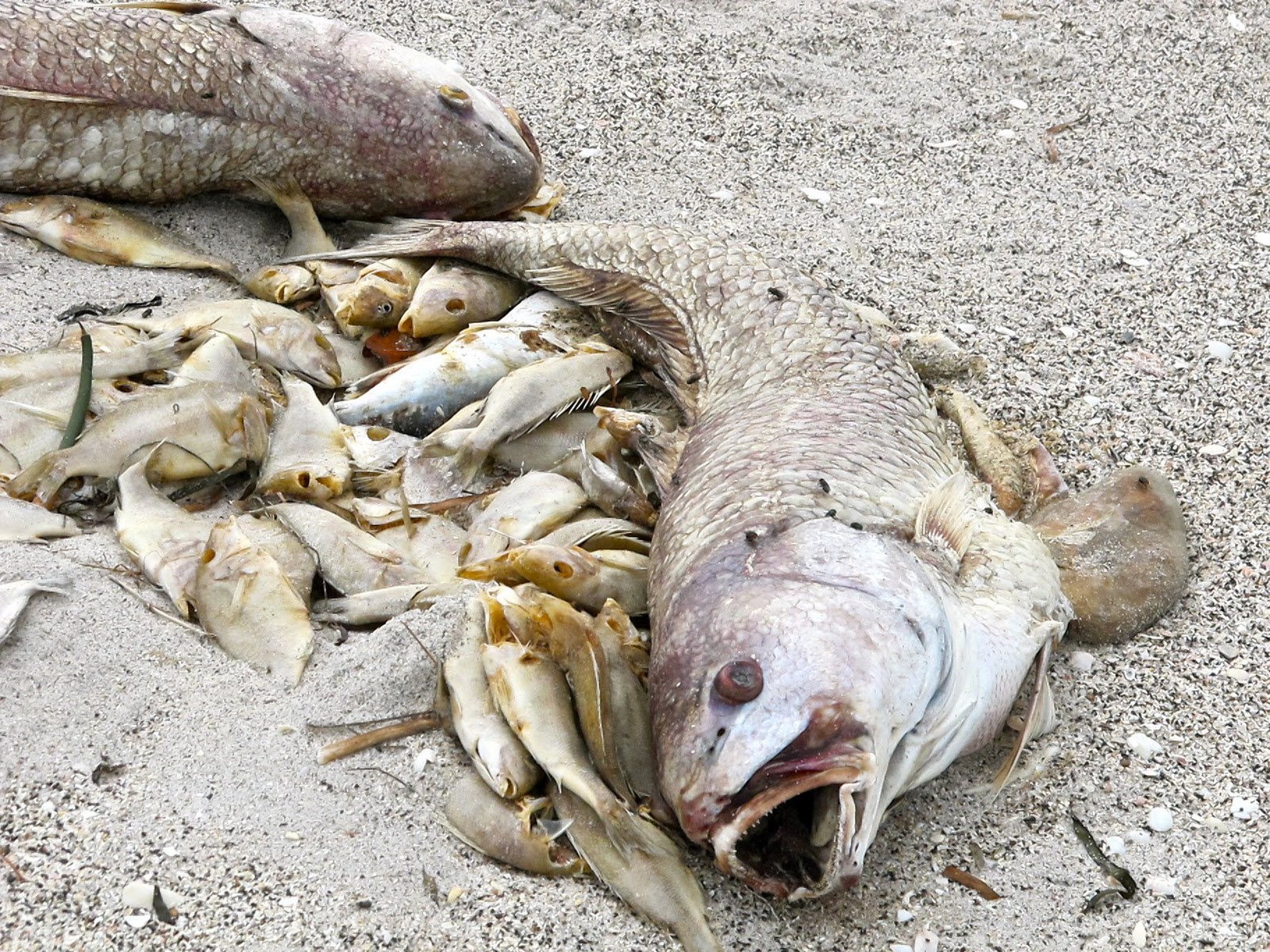
Dead redfish on Manasota Key

Growing up in the Cold War era, I associated Red Tide with communism.

Recently, I saw the results of another kind of Red Tide. This one caused by a population explosion of toxic plankton in the ocean usually from environmental factors like warm temperatures, calm seas and high nutrition content, according to the Department of Health and Human Services.

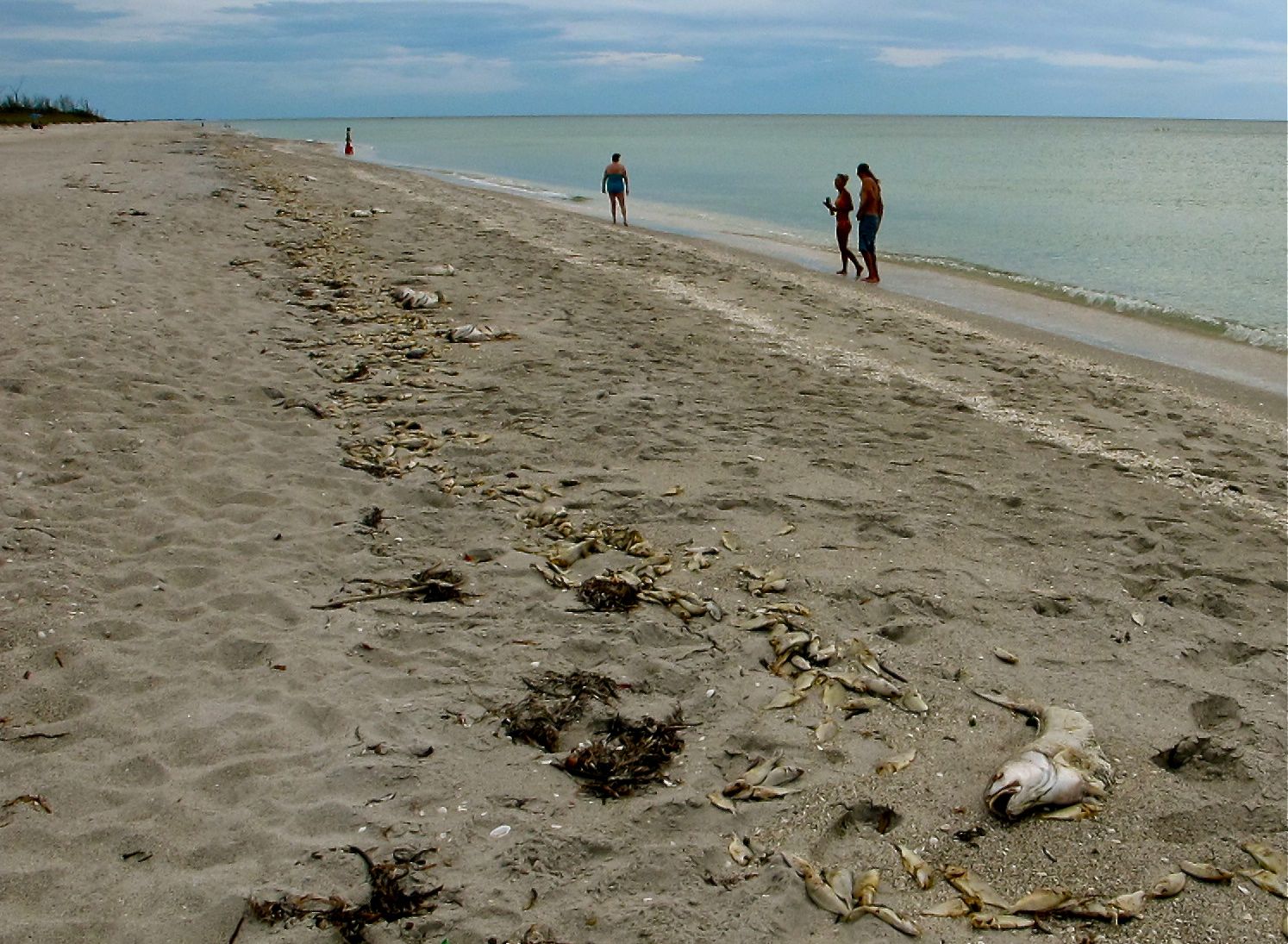
During my last trip to Florida, Red Tide blooms were moving northward along the Gulf of Mexico, turning some beaches into morbid scenes.

The Gulf was like a bathtub at Manasota Key and I thought I could float on the aqua waters, wash away stress and bask under the sun’s glow. Instead, the beach smelled foul, much worse than the outer alleys of a Kolkata fish market where the fish mongers throw out the guts and scales from cleaning their daily catch. The easterly breeze was strong enough to make me want to breathe solely through my mouth.

I could not tell what the problem was until I walked down to the beach and there, for as far as the eye could see, were dead fish. Redfish and Grunt mostly.

Red Tide killed fish in the Gulf of Mexico

Redfish are sizable and they looked grotesque with their stomachs split open and their eyes popping out after many days in the sun. A fisherman said he had been on the beach three days before, when the fish still looked red. But no more. They had turned a color of death. Some sort of creature had pecked through the vast assortment of food — a veritable banquet for crabs, birds and others that crawl the sands. Whatever it was had picked through the eyes and left only the sockets behind.

The predators had left the day I was there. Maybe the fish was too spoiled even for vultures.

It was a grisly scene of death. And yet, I suppose, nature’s way of keeping balance.

Four days later, back at CNN, I stared into my computer screen, sizing up the photographs of a dead Moammar Gadhafi, his body bruised, battered, bloodied and discolored. He lay on a mattress in a Misrata meat cooler for days, rotting slowly but surely.

I thought of the Redfish.

I spoke with Evelyn Apoko Thursday afternoon. She was abducted by the ruthless Lord’s Resistance Army in 2001. Her story made me cry. And marvel at human resilience.


My story was published Sunday on CNN.com
http://bit.ly/rh9UUV